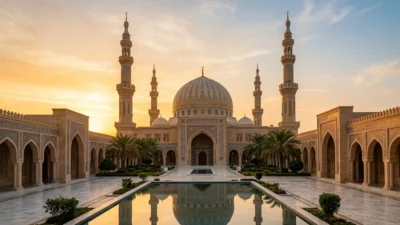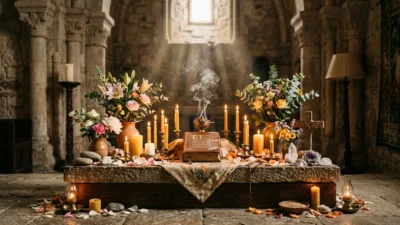

Temple symbolism explores the deeper meanings connected with temples, sacred spaces, shrines, and places of worship. Across cultures and religions, a temple often represents far more than a physical building. It can symbolize spiritual connection, inner peace, divine presence, wisdom, protection, devotion, and the journey toward self-discovery.
The meaning of temple symbolism can change depending on religious traditions, history, architecture, dreams, literature, and personal beliefs. If you are studying ancient symbols, exploring spiritual meanings, interpreting a temple dream, or simply curious about sacred architecture, understanding these symbolic meanings can offer a richer perspective.
1. Temple Symbolism as a Sacred Space
A temple commonly symbolizes a place set apart from ordinary life. It represents a space where people seek reflection, worship, peace, or connection with something greater than themselves.
Best for: Understanding the basic spiritual meaning of a temple.
Alternative: Sacred place symbolism or holy space symbolism.
Examples:
- Entering a quiet temple can symbolize leaving everyday worries behind.
- A sacred sanctuary in a story may represent a place of spiritual renewal.
2. Temple Symbolism and Divine Presence
One of the strongest meanings of a temple is the presence of the divine. In many traditions, temples are associated with gods, God, sacred beings, or spiritual energy.
Best for: Religious and spiritual interpretation.
Alternative: Divine connection or sacred presence.
Examples:
- A glowing temple may symbolize a powerful connection with the divine.
- Praying inside a temple can represent a search for spiritual guidance.
3. Temple Symbolism as Inner Peace
A temple can also symbolize peace within the mind and heart. Its quiet atmosphere often represents the desire to escape noise, stress, and emotional confusion.
Best for: Personal reflection and emotional symbolism.
Alternative: Inner sanctuary or peaceful refuge.
Examples:
- Finding a temple in a dream may symbolize a need for calm.
- Sitting silently in a sacred space can represent emotional balance.
4. Temple Symbolism and Spiritual Awakening
Temples are often connected with awakening, enlightenment, and a deeper understanding of life. They may symbolize the beginning of a new spiritual journey.
Best for: Exploring transformation and personal growth.
Alternative: Spiritual awakening or enlightenment symbolism.
Examples:
- Discovering an ancient temple may symbolize discovering hidden wisdom.
- Walking toward a temple can represent moving toward greater awareness.
5. Temple Symbolism as the Human Body
In some spiritual and philosophical traditions, the human body itself is viewed symbolically as a temple. This meaning emphasizes respect, care, and the sacred nature of life.
Best for: Personal and philosophical interpretation.
Alternative: Body as a temple symbolism.
Examples:
- Caring for your health can symbolize honoring your body as a sacred space.
- A damaged temple in literature may represent physical or emotional exhaustion.
6. Temple Symbolism and the Soul
A temple may represent the inner world of the soul. Just as a temple can contain sacred objects, the human heart may symbolically hold memories, beliefs, hopes, and spiritual truths.
Best for: Deep spiritual reflection.
Alternative: Soul symbolism or inner sanctuary.
Examples:
- Entering a hidden temple may symbolize exploring your inner self.
- Restoring an old temple can represent healing the soul.
7. Temple Symbolism as a Connection Between Heaven and Earth
Many sacred buildings are designed to represent a meeting point between the earthly and the divine. A temple can therefore symbolize a bridge between human life and spiritual reality.
Best for: Understanding sacred architecture and spirituality.
Alternative: Heaven and earth connection.
Examples:
- A tall temple tower may symbolize reaching toward heaven.
- A temple built on a mountain can represent closeness to the divine.
8. Temple Symbolism and Wisdom
Temples have historically been connected with religious teachings, philosophy, learning, and ancient knowledge. Symbolically, they can represent wisdom gained through experience and reflection.
Best for: Knowledge and learning symbolism.
Alternative: Wisdom symbolism or sacred knowledge.
Examples:
- An old temple library may symbolize forgotten knowledge.
- A teacher guiding someone through a temple can represent spiritual learning.
9. Temple Symbolism as Protection
Sacred spaces can symbolize safety and protection from danger, fear, or negative influences. A temple may represent a secure place where the mind and spirit can recover.
Best for: Protection and security symbolism.
Alternative: Spiritual shelter or sacred protection.
Examples:
- Taking refuge in a temple during a storm may symbolize emotional safety.
- Temple walls can represent personal boundaries and protection.
10. Temple Symbolism and Devotion
A temple is often associated with dedication, worship, and commitment. Symbolically, it can represent loyalty to a spiritual path, belief, purpose, or value.
Best for: Faith and commitment symbolism.
Alternative: Devotion, worship, or dedication.
Examples:
- Lighting a lamp in a temple may symbolize sincere devotion.
- Building a temple can represent long-term commitment to a meaningful purpose.
11. Temple Symbolism and Community
Although temples can be places for private reflection, they also bring people together. They may symbolize shared traditions, cultural identity, and a sense of belonging.
Best for: Social and cultural interpretation.
Alternative: Community symbolism or collective faith.
Examples:
- A community gathering at a temple can symbolize unity.
- A temple festival may represent cultural continuity across generations.
12. Temple Symbolism in Ancient History
Ancient temples often represented the political, spiritual, and cultural heart of a civilization. Their remains continue to symbolize history, human creativity, and the endurance of belief.
Best for: Historical and cultural symbolism.
Alternative: Ancient sacred architecture.
Examples:
- Ancient ruins can symbolize the passage of time.
- A preserved temple may represent respect for cultural heritage.
13. Temple Symbolism in Different Cultures
The meaning and design of temples vary across cultures. Hindu temples, Buddhist temples, ancient Greek temples, Egyptian temples, and other sacred structures all carry their own symbolic traditions.
Best for: Cross-cultural understanding.
Alternative: Cultural symbolism or religious architecture.
Examples:
- A temple’s central shrine may symbolize spiritual focus.
- Decorative carvings can communicate stories, beliefs, and sacred values.
14. Temple Symbolism and Architecture
Temple architecture is often filled with symbolic meaning. Doors, pillars, domes, towers, stairways, and sacred chambers may all represent different stages of spiritual experience.
Best for: Understanding symbolic architecture.
Alternative: Sacred architecture symbolism.
Examples:
- Climbing temple steps may symbolize spiritual progress.
- A central chamber may represent the deepest part of the self.
15. Temple Doors and Symbolism
A temple door can symbolize transition. Crossing it may represent leaving one state of mind and entering another.
Best for: Transition and transformation themes.
Alternative: Gateway symbolism or threshold symbolism.
Examples:
- Opening a temple door can symbolize discovering a new path.
- A locked temple door may represent unanswered spiritual questions.
16. Temple Pillars as Symbols of Strength
Pillars often symbolize stability, support, and endurance. In symbolic interpretation, they may represent the beliefs or values that hold a person’s life together.
Best for: Strength and stability symbolism.
Alternative: Foundation or support symbolism.
Examples:
- Strong pillars can symbolize firm personal values.
- Broken pillars may represent a loss of confidence or tradition.
17. Temple Stairs and Spiritual Progress
Stairs are powerful symbols of movement and growth. Temple stairs can represent the gradual journey toward wisdom, enlightenment, or personal transformation.
Best for: Growth and progress symbolism.
Alternative: Spiritual journey or ascension symbolism.
Examples:
- Climbing temple stairs can represent overcoming challenges.
- Reaching the top may symbolize achieving greater understanding.
18. Temple Symbolism and Light
Light within or around a temple often represents truth, hope, purity, and spiritual awareness. Darkness, by contrast, may symbolize mystery or the unknown.
Best for: Light and enlightenment symbolism.
Alternative: Divine light or spiritual illumination.
Examples:
- Sunlight entering a temple may symbolize hope and clarity.
- A single lamp may represent guidance during difficult times.
19. Temple Symbolism and Silence
Silence in a temple can symbolize reflection and the ability to listen inwardly. It reminds us that understanding does not always come from constant activity.
Best for: Meditation and mindfulness.
Alternative: Stillness or inner silence.
Examples:
- A silent temple can symbolize the need to pause and reflect.
- Meditating in a sacred hall may represent listening to inner wisdom.
20. Temple Symbolism in Dreams
Dreaming about a temple can have many meanings depending on the dream’s details and your personal beliefs. It may symbolize spiritual searching, peace, healing, guidance, or self-discovery.
Best for: Dream interpretation and reflection.
Alternative: Sacred place dream meaning.
Examples:
- A beautiful temple may symbolize hope or spiritual growth.
- A ruined temple may represent neglected beliefs or emotional healing.
21. A Beautiful Temple in a Dream
A bright or beautiful temple often symbolizes harmony, inspiration, and positive spiritual energy. It may suggest that you are moving toward clarity or peace.
Best for: Positive dream symbolism.
Alternative: Sacred dream imagery.
Examples:
- Seeing a golden temple may symbolize valuable inner wisdom.
- Entering a peaceful temple may represent emotional healing.
22. A Ruined Temple in Symbolism
A ruined temple can symbolize lost traditions, forgotten values, or areas of life that need attention. However, ruins can also represent resilience and the possibility of renewal.
Best for: Transformation and recovery themes.
Alternative: Ruin symbolism or restoration symbolism.
Examples:
- Rebuilding a ruined temple may symbolize personal healing.
- Exploring ancient ruins may represent searching for forgotten memories.
23. Temple Symbolism and Personal Growth
The journey through a temple can represent personal development. Each room, path, or obstacle may symbolize a stage of growth.
Best for: Self-development and life journey themes.
Alternative: Transformation symbolism.
Examples:
- Moving through several temple rooms can represent different life stages.
- Finding the central shrine may symbolize discovering your core values.
24. Temple Symbolism in Literature
Writers often use temples to create a sense of mystery, wisdom, holiness, or transformation. A temple can serve as an important setting where characters face important truths.
Best for: Literary analysis.
Alternative: Sacred setting symbolism.
Examples:
- A hero visiting a temple may symbolize a search for guidance.
- A forbidden temple may represent hidden knowledge or fear.
25. Temple Symbolism in Art
Artists use temple imagery to communicate spirituality, cultural identity, beauty, history, and human creativity. Even a simple image of a temple can carry powerful emotional meaning.
Best for: Art interpretation.
Alternative: Sacred art or religious imagery.
Examples:
- A painting of a temple at sunrise may symbolize renewal.
- An abstract temple may represent the search for inner peace.
26. Temple Symbolism and Ritual
Rituals performed in temples can symbolize repetition, discipline, remembrance, and devotion. These actions often help people connect daily life with spiritual values.
Best for: Understanding religious practices.
Alternative: Sacred ritual symbolism.
Examples:
- Ringing a bell may symbolize preparation for worship.
- Offering flowers can symbolize gratitude or respect.
27. Temple Symbolism and Balance
Many sacred spaces emphasize harmony between different elements, such as the physical and spiritual, the individual and community, or humanity and nature.
Best for: Harmony and balance themes.
Alternative: Spiritual harmony or inner balance.
Examples:
- A symmetrical temple design may symbolize order and balance.
- A peaceful temple garden may represent harmony with nature.
28. Temple Symbolism and Transformation
Entering, exploring, or leaving a temple can symbolize change. The experience may represent releasing old beliefs and developing a new understanding of life.
Best for: Change and renewal symbolism.
Alternative: Spiritual transformation.
Examples:
- Entering a dark temple and finding light can symbolize personal growth.
- Leaving a temple peacefully may represent gaining clarity after reflection.
29. Temple Symbolism in Modern Life
Temple symbolism is not limited to ancient buildings or formal religious settings. Today, people may describe any meaningful, peaceful space as their personal sanctuary.
Best for: Modern and personal symbolism.
Alternative: Personal sacred space or modern spirituality.
Examples:
- A quiet room used for meditation can function as a personal sanctuary.
- A peaceful garden may symbolize a modern version of sacred space.
30. What Temple Symbolism Can Teach Us
At its deepest level, temple symbolism reminds us to create space for reflection, values, connection, and personal growth. Whether understood spiritually, culturally, or psychologically, the temple remains a powerful symbol of what people consider meaningful and sacred.
Best for: Bringing all temple meanings together.
Alternative: Sacred meaning or spiritual symbolism.
Examples:
- Creating a quiet daily routine can symbolize building an inner temple.
- Protecting meaningful traditions can represent preserving a sacred foundation.
Conclusion
Temple symbolism is rich with meanings related to spirituality, peace, wisdom, protection, devotion, transformation, and inner discovery. A temple can represent a physical place of worship, a connection with the divine, a cultural tradition, or even the quiet space within ourselves.
The most meaningful interpretation often depends on the context. If you encounter a temple in a dream, a work of art, a story, or your own spiritual journey, consider its condition, surroundings, and emotional impact. These details can help you discover what the symbol may personally represent.
FAQs:
1. What does a temple symbolize?
A temple commonly symbolizes a sacred space, spiritual connection, divine presence, wisdom, peace, and devotion. Its meaning can vary across cultures and personal beliefs.
2. What does a temple represent spiritually?
Spiritually, a temple may represent the meeting point between the human and the divine. It can also symbolize the inner self, spiritual awakening, and a search for deeper meaning.
3. What does dreaming about a temple mean?
A temple in a dream may symbolize spiritual searching, inner peace, healing, guidance, or personal growth. The meaning can depend on whether the temple is beautiful, ruined, empty, crowded, or difficult to enter.
4. Why is the human body called a temple?
The phrase is often used symbolically to express that the body deserves care, respect, and protection. It encourages people to view physical and inner well-being as valuable.
5. What do temple ruins symbolize?
Temple ruins can symbolize the passage of time, forgotten beliefs, lost traditions, emotional wounds, or the opportunity to rebuild and renew something meaningful.

Julian Carter is a writer, poet, and scholar whose work explores culture, identity, history, and human connection. Through thoughtful storytelling and creative insight, he inspires readers to reflect on relationships, memory, and personal transformation.