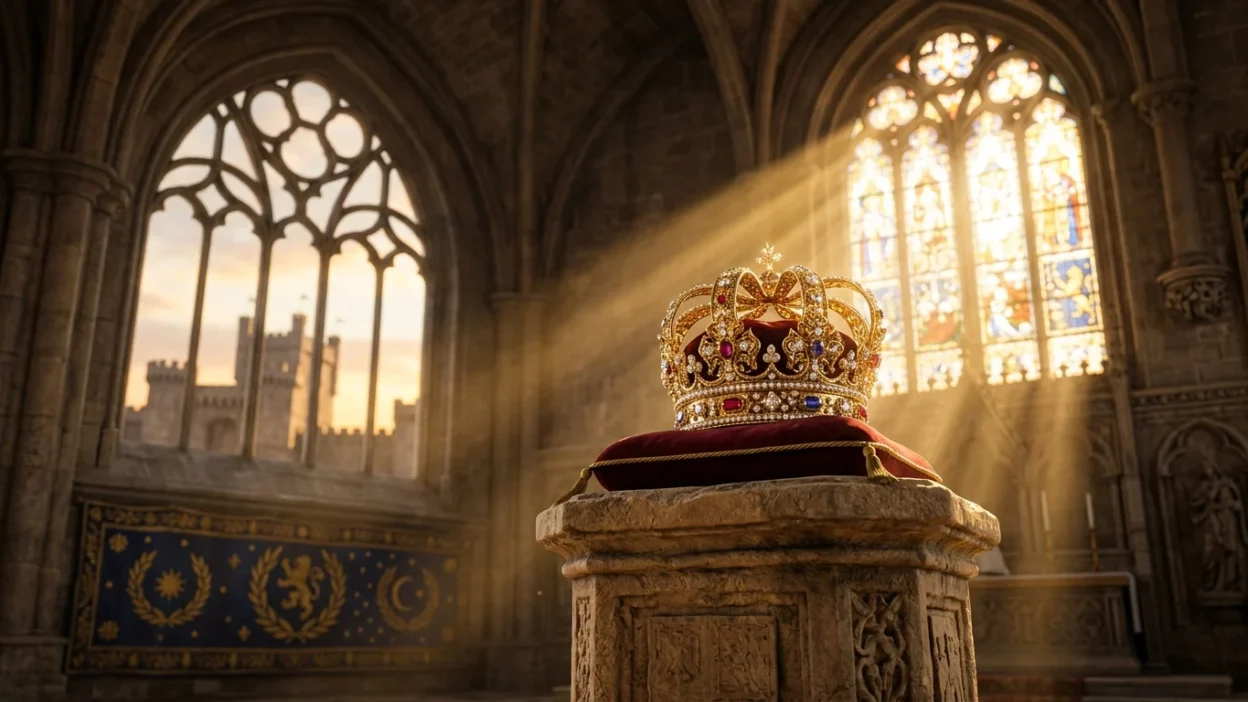
Crown symbolism has represented power, honor, victory, and divine authority for thousands of years. Across cultures, religions, and traditions, the crown is much more than a decorative object. It symbolizes leadership, wisdom, responsibility, and personal achievement. Whether worn by kings and queens, seen in dreams, or used in art, the crown reminds us that true greatness comes from character as much as status.
From ancient civilizations to modern celebrations, the symbolism of the crown continues to inspire people seeking purpose, confidence, and inner strength.
Crown Symbolism Meaning (Clear Definition)
Crown symbolism refers to the symbolic meaning of a crown as a sign of authority, honor, success, and spiritual elevation. Traditionally worn by rulers, crowns have become universal symbols of achievement, dignity, and noble responsibility.
In many traditions, wearing a crown signifies more than having power. It reflects the wisdom to lead fairly, protect others, and make honorable decisions. As a result, crowns often represent both privilege and accountability.
Quick Definition
| Symbol | Common Meaning |
|---|---|
| Crown | Authority and leadership |
| Gold crown | Wealth, wisdom, and success |
| Laurel crown | Victory and achievement |
| Crown with jewels | Honor, prosperity, and divine favor |
| Broken crown | Loss of power or humility |
| Heavenly crown | Spiritual reward and eternal life |
What Does Crown Symbolism Represent?
The crown carries many symbolic meanings depending on the culture and context.
Some of its most common representations include:
- Leadership and rightful authority
- Honor earned through achievement
- Wisdom and sound judgment
- Victory after overcoming challenges
- Responsibility toward others
- Royal dignity and respect
- Spiritual enlightenment and divine blessing
At a deeper level, the crown reminds us that true leadership is earned through integrity rather than simply inherited through position.
Spiritual Meaning of Crown Symbolism
Spiritually, the crown represents the highest level of personal growth and inner awakening. It symbolizes mastery over one’s thoughts, emotions, and actions.
Many spiritual traditions associate the crown with enlightenment because it rests upon the head, the highest part of the body. It encourages individuals to seek wisdom, truth, and a connection with something greater than themselves.
Spiritually, a crown may symbolize:
- Higher consciousness
- Inner wisdom
- Divine protection
- Personal transformation
- Fulfillment of life’s purpose
- Spiritual victory over challenges
Rather than symbolizing pride, the spiritual crown often represents humility gained through experience and faith.
Biblical / Religious Meaning of Crown Symbolism
In the Bible, crowns frequently symbolize righteousness, eternal life, honor, and heavenly rewards rather than earthly wealth.
Several symbolic crowns appear throughout Scripture:
- Crown of Life represents eternal reward for faithful believers.
- Crown of Righteousness symbolizes God’s reward for living faithfully.
- Crown of Glory represents honor given to faithful spiritual leaders.
- Imperishable Crown symbolizes victory through spiritual discipline.
One of the most powerful religious images is the Crown of Thorns, worn by Jesus before His crucifixion. Although it represented suffering and humiliation, Christians view it as a symbol of sacrifice, redemption, humility, and ultimate victory over sin.
Beyond Christianity, crowns also appear in Hinduism, Buddhism, and other religions as symbols of divine authority, enlightenment, and sacred kingship.
Crown Symbolism in History and Culture
Throughout history, crowns have identified rulers and marked moments of great importance.
Ancient Egypt
Pharaohs wore different crowns representing control over Upper and Lower Egypt. These crowns symbolized divine authority granted by the gods.
Ancient Greece
Victorious athletes and military heroes received laurel crowns, symbolizing excellence, honor, and achievement rather than political power.
Roman Empire
Roman emperors adopted crowns and wreaths as symbols of triumph, authority, and imperial leadership.
Medieval Europe
Royal crowns became elaborate symbols of monarchy, legitimacy, justice, and national unity.
Asian Traditions
In many Asian cultures, ceremonial crowns symbolize wisdom, spiritual leadership, and sacred responsibility, especially in religious ceremonies.
Although styles changed over centuries, the symbolic meaning remained remarkably consistent: leadership comes with duty.
Crown Symbolism in Literature and Art
Writers and artists often use crowns to communicate deeper meanings beyond royalty.
In literature, a crown may symbolize:
- The burden of leadership
- Ambition and power
- Justice
- Honor earned through sacrifice
- Personal destiny
Artists frequently place crowns above saints, kings, queens, or mythical figures to emphasize their authority, virtue, or divine connection.
Modern storytelling sometimes uses damaged or fallen crowns to symbolize lost power, broken pride, or the need for humility before renewal.
Dream Meaning of Crown Symbolism
Dreaming about a crown often reflects personal growth, recognition, or future success.
Common dream interpretations include:
| Dream ScenarioPossible Meaning | |
|---|---|
| Wearing a crown | Confidence, achievement, or promotion |
| Receiving a crown | Recognition for your efforts |
| Losing a crown | Fear of failure or losing influence |
| Broken crown | Humility or personal setbacks |
| Golden crown | Spiritual success and abundance |
| Crowning another person | Respect, admiration, or support for someone else |
The emotions felt during the dream usually provide important clues to its personal meaning.
Modern Meaning of Crown Symbolism
Today, crowns remain powerful symbols even outside royal families.
They commonly represent:
- Personal confidence
- Self-worth
- Leadership
- Achievement
- Excellence
- Luxury
- Success
- Empowerment
Many people wear crown jewelry or crown tattoos as reminders to value themselves, overcome obstacles, and pursue their goals with dignity.
In branding and fashion, crowns often symbolize premium quality, prestige, and exceptional standards.
Common Symbolic Meanings of a Crown
| Meaning | Symbolic Interpretation |
|---|---|
| Leadership | Guiding others wisely |
| Authority | Legitimate power |
| Victory | Triumph over adversity |
| Wisdom | Sound judgment and knowledge |
| Honor | Respect earned through actions |
| Responsibility | Duty that accompanies power |
| Spiritual Growth | Enlightenment and divine connection |
| Achievement | Reaching important goals |
FAQs:
What does crown symbolism mean?
Crown symbolism represents authority, honor, wisdom, victory, and responsibility. It often reflects both outer success and inner character.
Is a crown a spiritual symbol?
Yes. Spiritually, the crown symbolizes enlightenment, higher consciousness, divine favor, and personal transformation in many traditions.
What does dreaming about a crown mean?
A crown in a dream often represents recognition, confidence, leadership, or upcoming achievements. The surrounding events in the dream help determine its exact meaning.
What does a golden crown symbolize?
A golden crown symbolizes prosperity, wisdom, honor, divine blessing, and lasting success. Gold also represents purity and enduring value.
Why are crowns associated with kings and queens?
Crowns have long identified legitimate rulers, representing their authority, responsibility, and commitment to governing with wisdom and justice.
Conclusion
Crown symbolism continues to inspire people because it represents far more than royalty. It reminds us that true greatness comes from wisdom, integrity, compassion, and responsibility. If viewed through history, spirituality, religion, dreams, or modern life, the crown remains a timeless symbol of leadership, achievement, and the highest potential within every person.

Julian Carter is a writer, poet, and scholar whose work explores culture, identity, history, and human connection. Through thoughtful storytelling and creative insight, he inspires readers to reflect on relationships, memory, and personal transformation.