
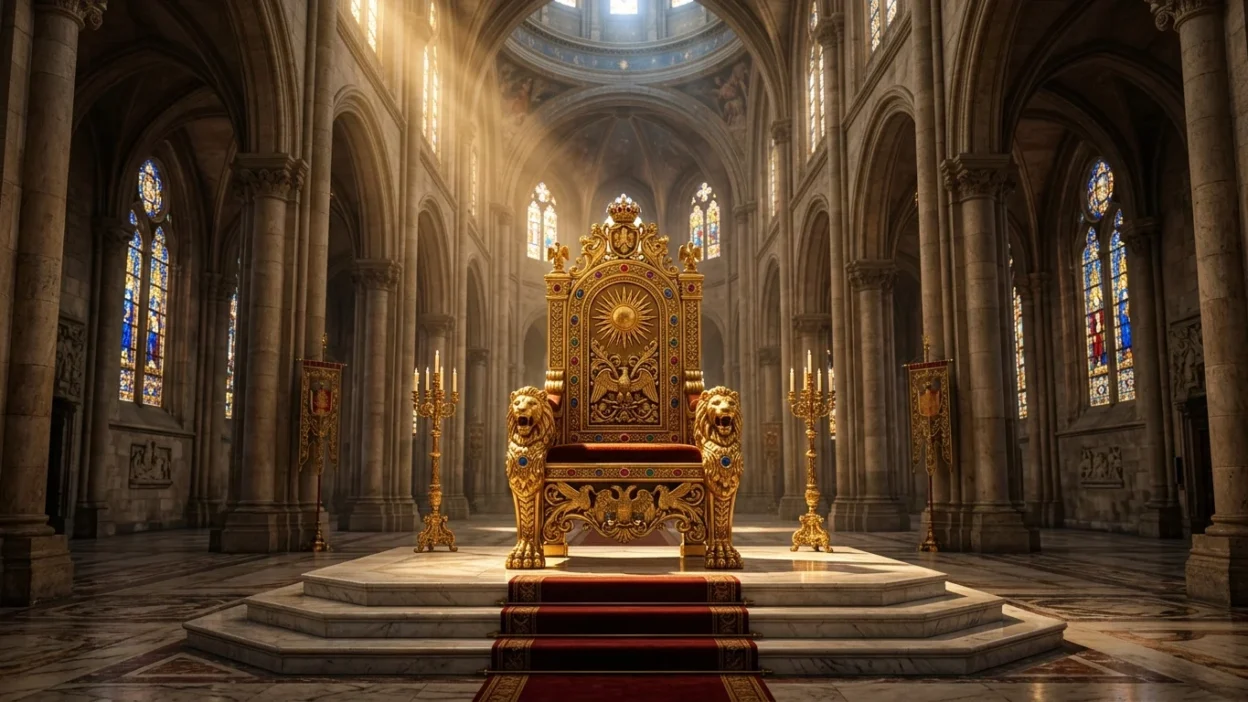
Throne symbolism has represented authority, honor, wisdom, and leadership for thousands of years. Across religions, myths, literature, and modern culture, a throne is far more than an impressive chair. It symbolizes rightful power, responsibility, divine rule, and the ability to make important decisions. Whether seen in dreams, sacred texts, or royal ceremonies, the image of a throne reminds us that true authority comes with wisdom, justice, and purpose.
Throne Symbolism Meaning (Clear Definition)
Throne symbolism refers to the deeper meaning attached to a throne as a symbol of power, sovereignty, leadership, dignity, and judgment. While a throne is physically a seat reserved for rulers, symbolically it represents the position of someone trusted with great responsibility.
In many traditions, sitting on a throne signifies earning respect, exercising authority fairly, and carrying the weight of leadership. A throne also reflects stability because it is the place where important decisions are made.
Quick Symbolism Summary
| Symbol | Meaning |
|---|---|
| Authority | Right to lead and govern |
| Wisdom | Sound judgment and experience |
| Justice | Fairness and lawful decisions |
| Honor | Respect and high status |
| Responsibility | Duty toward others |
| Divine Power | God’s authority in many religions |
| Legacy | Lasting influence across generations |
Related keywords: royal throne, kingship, authority symbol, leadership, sovereignty, divine power, kingdom.
What Does Throne Symbolism Represent?
A throne carries several powerful symbolic meanings that remain relevant today.
- Leadership: Guiding others with wisdom and integrity.
- Authority: The legitimate right to make decisions.
- Honor: Recognition earned through achievement or service.
- Justice: A place where fairness and truth prevail.
- Responsibility: Every position of power comes with accountability.
- Stability: Strong leadership creates order and security.
- Achievement: Reaching a respected position after dedication and perseverance.
These meanings explain why thrones continue to appear in art, politics, religion, and storytelling.
Spiritual Meaning of Throne Symbolism
Spiritually, a throne represents the highest level of authority and divine order. It reminds people that genuine leadership begins with humility, compassion, and wisdom rather than control.
Many spiritual traditions describe the throne as the center of heavenly authority, where truth, mercy, and justice meet. It also symbolizes inner mastery—the ability to govern one’s thoughts, emotions, and actions wisely.
For many people, throne symbolism encourages personal growth by reminding them to lead their own lives with confidence, discipline, and kindness.
Biblical / Religious Meaning of Throne Symbolism
In the Bible, the throne frequently symbolizes God’s supreme authority over creation. God’s throne represents eternal justice, holiness, righteousness, and perfect judgment.
Throughout Scripture, kings also sit on thrones to symbolize their God-given responsibility to rule wisely. The throne of David became a lasting symbol of God’s covenant and the promise of an everlasting kingdom.
In Christianity, Christ seated upon the heavenly throne symbolizes victory, eternal kingship, and divine authority.
Outside Christianity, thrones also appear in Judaism, Islam, Hinduism, Buddhism, and other faiths as symbols of sacred authority, enlightenment, or divine presence.
Throne Symbolism in History and Culture
Throughout history, thrones have been powerful symbols of monarchy and political authority.
Ancient civilizations crafted elaborate thrones from gold, ivory, wood, or stone to display the ruler’s importance. Egyptian pharaohs, Roman emperors, Chinese emperors, African kings, and European monarchs all used thrones to demonstrate legitimacy and prestige.
In many cultures, the throne also represented continuity. Even when rulers changed, the throne itself symbolized the enduring strength of the kingdom rather than any single individual.
Coronation ceremonies often focus on the throne because it marks the transfer of responsibility as much as the transfer of power.
Throne Symbolism in Literature and Art
Authors and artists frequently use thrones to explore themes of ambition, justice, corruption, sacrifice, and destiny.
In literature, a throne may represent:
- The struggle for power
- Legitimate versus unlawful rule
- Moral responsibility
- Personal transformation
- The burden of leadership
In paintings, sculptures, and films, an empty throne often symbolizes lost authority, while an occupied throne may represent strength, hope, or tyranny depending on the story.
Because of these layered meanings, the throne remains one of the most recognizable symbols in visual storytelling.
Dream Meaning of Throne Symbolism
Dreaming about a throne often reflects your relationship with authority, confidence, or personal goals.
Common interpretations include:
- Sitting on a throne: Growing confidence, achievement, or leadership opportunities.
- Seeing an empty throne: Untapped potential or an important position waiting to be filled.
- Approaching a throne: Preparing for greater responsibility.
- Broken throne: Loss of influence, instability, or weakened confidence.
- Golden throne: Spiritual blessings, success, or recognition.
Dream meanings depend on your emotions, personal experiences, and the overall context of the dream.
Modern Meaning of Throne Symbolism
Today, throne symbolism extends beyond royalty.
People often use the throne as a metaphor for:
- Executive leadership
- Political office
- Professional success
- Personal confidence
- Self-respect
- Taking control of one’s future
Social media, entertainment, and popular culture frequently describe successful individuals as “taking the throne,” representing excellence, achievement, and influence within their field.
Modern symbolism reminds us that leadership is measured not simply by status but by character and service.
Common Symbolic Meanings of a Throne
- Supreme authority
- Wise leadership
- Justice and fairness
- Honor and respect
- Divine presence
- Responsibility
- Stability
- Achievement
- Legacy
- Confidence
FAQs:
What does throne symbolism mean?
Throne symbolism represents authority, leadership, wisdom, responsibility, and honor. It often reflects both earthly and spiritual power.
Is a throne a symbol of power?
Yes. Throughout history, the throne has symbolized legitimate power, royal authority, and the responsibility that comes with leadership.
What does a throne symbolize spiritually?
Spiritually, a throne symbolizes divine authority, inner wisdom, justice, and the ability to govern life with integrity and purpose.
What does dreaming about a throne mean?
A throne in dreams often represents ambition, leadership, personal growth, or opportunities for greater responsibility. The exact meaning depends on the dream’s details.
Why is the throne important in religion?
In many religions, the throne symbolizes God’s sovereignty, eternal justice, holiness, and supreme authority over creation.
Conclusion
Throne symbolism continues to inspire because it represents far more than royalty or political power. It reflects wisdom, responsibility, justice, and the courage to lead with integrity. If viewed through history, spirituality, dreams, or modern life, the throne reminds us that true greatness comes from serving others with honor, fairness, and purpose.

Sofia Harper is a dedicated writer and language enthusiast who enjoys exploring the meanings behind symbols, signs, and cultural icons. Through engaging and well-researched content, she helps readers uncover fascinating insights and hidden symbolism from around the world.