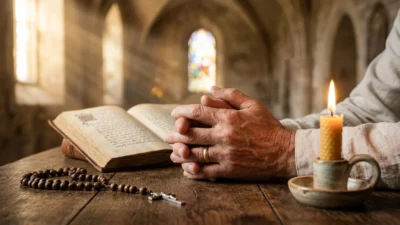
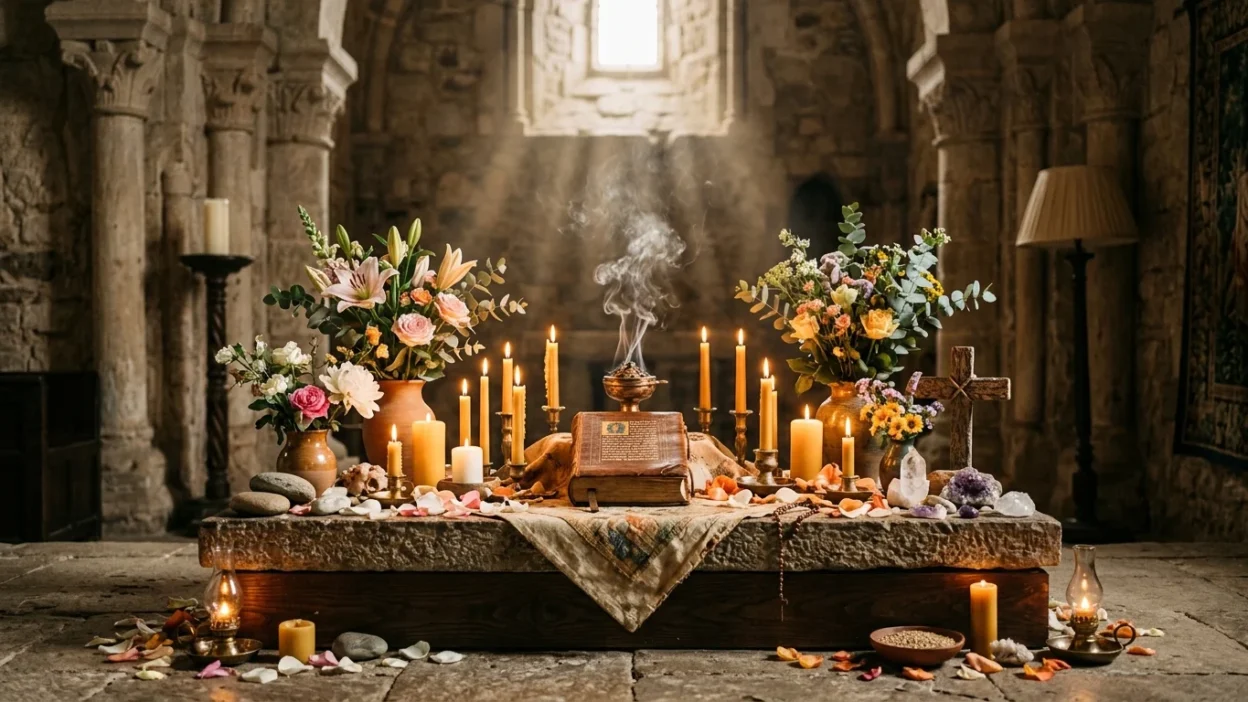
Altar symbolism explores the deeper meanings connected with an altar, a sacred place associated with worship, prayer, sacrifice, remembrance, and spiritual connection. Across religions, cultures, and personal spiritual practices, an altar can represent a meeting point between the human and the divine.
If you are studying religious symbolism, creating a home altar, exploring ancient traditions, or simply wondering what an altar represents, its meaning can be deeply personal. The objects, location, and rituals connected with an altar often communicate ideas about faith, devotion, transformation, gratitude, and sacred purpose.
1. Altar Symbolism as a Sacred Connection
An altar often symbolizes a connection between the physical world and the spiritual world. It creates a dedicated space where people can focus their thoughts, prayers, and intentions.
Best for: Understanding the basic spiritual meaning of an altar.
Alternative: Sacred space, shrine, prayer space.
Examples:
A person kneels at an altar to offer a silent prayer.
A family creates a small sacred space for reflection and gratitude.
2. Altar Symbolism and Worship
In many religious traditions, the altar represents a central place of worship. It gives people a physical focal point for expressing faith and devotion.
Best for: Religious and spiritual interpretation.
Alternative: Worship center, holy table, sacred platform.
Examples:
A church altar serves as a focal point during religious services.
A temple altar may hold sacred objects used in worship.
3. The Altar as a Symbol of Sacrifice
One of the oldest meanings of an altar is sacrifice. Historically, offerings were placed on altars as expressions of devotion, gratitude, repentance, or commitment.
Best for: Exploring ancient and religious symbolism.
Alternative: Offering place, sacrificial site, ceremonial space.
Examples:
Ancient communities brought symbolic offerings to sacred altars.
A modern person may symbolically give up a harmful habit as a personal sacrifice.
4. Altar Symbolism and Devotion
An altar can represent complete devotion to a belief, spiritual path, or higher purpose. It reminds people to dedicate time and attention to what they consider sacred.
Best for: Personal spiritual reflection.
Alternative: Commitment, dedication, reverence.
Examples:
Someone lights a candle at an altar each morning.
A worshipper places meaningful objects in a sacred prayer space.
5. The Altar as a Place of Prayer
Prayer is strongly connected with altar symbolism. The altar can represent a quiet place where hopes, fears, gratitude, and intentions are expressed.
Best for: Understanding personal worship practices.
Alternative: Prayer corner, meditation space, sacred sanctuary.
Examples:
A person visits an altar to pray during a difficult time.
A family gathers around a sacred space to offer thanks.
6. Altar Symbolism of Spiritual Transformation
An altar may symbolize transformation because rituals performed there can mark important inner or outer changes. It can represent leaving one stage of life and entering another.
Best for: Personal growth and spiritual change.
Alternative: Renewal, rebirth, transition.
Examples:
Someone creates an altar to mark a new beginning.
A ceremonial altar represents the transition into a new stage of life.
7. The Altar as a Symbol of Commitment
Building or approaching an altar can symbolize commitment. This may involve commitment to faith, marriage, family, values, or personal goals.
Best for: Exploring promises and dedication.
Alternative: Vow, pledge, promise.
Examples:
A couple stands before an altar during a wedding ceremony.
A person uses a personal altar to remember a daily intention.
8. Altar Symbolism and Divine Presence
Many traditions view the altar as a place associated with divine presence. It symbolizes the idea that the sacred can be invited into everyday life.
Best for: Spiritual and religious studies.
Alternative: Holy presence, sacred connection, divine encounter.
Examples:
A worshipper feels spiritually focused while standing before an altar.
Sacred symbols are arranged to create a sense of reverence.
9. The Altar as a Center of Community
An altar can also symbolize unity. Communities often gather around a shared sacred space during ceremonies, celebrations, and important religious events.
Best for: Understanding collective worship.
Alternative: Unity, fellowship, shared faith.
Examples:
A congregation gathers around an altar during a service.
Community members decorate a ceremonial altar together.
10. Altar Symbolism of Gratitude
Altars can represent thankfulness and appreciation. Offerings, flowers, candles, and prayers may all symbolize gratitude for life, blessings, or spiritual guidance.
Best for: Gratitude practices and positive reflection.
Alternative: Thanksgiving, appreciation, acknowledgment.
Examples:
Fresh flowers are placed on an altar as an expression of gratitude.
A person writes down blessings and keeps them in a sacred space.
11. The Altar as a Symbol of Remembrance
A memorial altar can represent memory and honor. It creates a meaningful space for remembering loved ones, ancestors, or important events.
Best for: Memorial traditions and remembrance.
Alternative: Tribute, memorial, ancestral connection.
Examples:
Photographs of loved ones are placed on a remembrance altar.
A candle is lit to honor someone who has passed away.
12. Altar Symbolism and Ancestral Connection
In some cultures, altars are used to honor ancestors and maintain a symbolic connection with family history. This can represent respect, continuity, and gratitude.
Best for: Cultural and ancestral symbolism.
Alternative: Heritage, lineage, family tradition.
Examples:
A family displays photographs of ancestors in a sacred space.
Traditional foods or symbolic items are placed during a remembrance ceremony.
13. The Altar as a Symbol of Peace
A quiet altar can symbolize inner peace and spiritual calm. It offers a place to pause, breathe, and step away from everyday distractions.
Best for: Meditation and emotional reflection.
Alternative: Tranquility, calm, stillness.
Examples:
A simple altar with a candle creates a peaceful atmosphere.
Someone sits near a sacred space for a few minutes of quiet reflection.
14. Altar Symbolism and Healing
Altars may represent emotional, spiritual, or symbolic healing. Creating a meaningful sacred space can help people focus on hope, recovery, and personal strength.
Best for: Reflection and symbolic healing practices.
Alternative: Renewal, restoration, comfort.
Examples:
A person places encouraging words near a personal altar.
A candle-lighting ritual marks the beginning of a healing journey.
15. The Altar as a Symbol of Hope
An altar can represent hope during uncertain or difficult periods. It may serve as a reminder that faith and meaning can continue even in challenging moments.
Best for: Difficult life transitions and encouragement.
Alternative: Faith, optimism, spiritual strength.
Examples:
Someone lights a candle while praying for a better future.
A hopeful symbol is placed on a personal altar as a daily reminder.
16. Altar Symbolism of Renewal
Renewal is another powerful meaning connected with altars. Ceremonies and rituals can symbolize releasing the past and beginning again.
Best for: New beginnings and life changes.
Alternative: Fresh start, rebirth, restoration.
Examples:
A person refreshes a personal altar at the start of a new season.
A ceremony uses flowers to symbolize growth and renewal.
17. The Altar as a Symbol of Order
The careful arrangement of an altar can symbolize order and intention. Every object may have a purpose, creating a meaningful structure within the sacred space.
Best for: Understanding ritual objects and arrangement.
Alternative: Harmony, balance, intention.
Examples:
Candles are placed symmetrically to create visual balance.
Meaningful objects are arranged according to a religious tradition.
18. Altar Symbolism and Light
Candles and lamps are common altar symbols. Light often represents guidance, wisdom, hope, truth, and spiritual awareness.
Best for: Exploring symbolic objects used on altars.
Alternative: Illumination, guidance, spiritual awakening.
Examples:
A candle is lit to symbolize hope during prayer.
A lamp represents spiritual guidance in a sacred ceremony.
19. The Altar as a Symbol of Purity
Cleanliness, white cloths, water, and other ritual elements may symbolize purity. This meaning can relate to spiritual preparation or a fresh state of mind.
Best for: Religious and ceremonial symbolism.
Alternative: Cleansing, innocence, spiritual preparation.
Examples:
A white covering is used to represent purity and reverence.
Water is included in a ritual to symbolize cleansing.
20. Altar Symbolism of Balance
Many altar arrangements use balanced shapes, colors, or objects. This can symbolize harmony between different aspects of life, nature, or spiritual belief.
Best for: Symbolic design and spiritual interpretation.
Alternative: Harmony, equilibrium, unity.
Examples:
Objects are placed evenly on both sides of an altar.
Natural elements are combined to represent a balanced relationship with the world.
21. The Altar as a Symbol of Intention
A personal altar can serve as a visual reminder of an intention or goal. The objects placed there may represent values, dreams, or areas of focus.
Best for: Goal setting and mindful living.
Alternative: Purpose, focus, mindfulness.
Examples:
A written goal is placed near a meaningful symbol.
A small object reminds someone to practice patience every day.
22. Altar Symbolism and Meditation
Altars can create an environment that supports meditation and contemplation. Their purpose is often to reduce distraction and encourage deeper focus.
Best for: Meditation and quiet reflection.
Alternative: Contemplation, mindfulness, inner awareness.
Examples:
A person meditates beside a simple candle and meaningful image.
A quiet corner is arranged with calming spiritual objects.
23. The Altar as a Symbol of Nature
Flowers, stones, water, wood, and other natural elements are often used in altars. These items can symbolize life, growth, change, and humanity’s connection with nature.
Best for: Nature-based symbolism.
Alternative: Earth connection, natural spirituality, life cycles.
Examples:
Fresh flowers symbolize beauty and the temporary nature of life.
Stones represent strength, stability, and endurance.
24. Altar Symbolism in Christianity
In Christianity, the altar holds important spiritual and liturgical meaning. It is commonly associated with worship, sacrifice, communion, prayer, and the sacred relationship between God and believers.
Best for: Christian religious symbolism.
Alternative: Church altar, communion table, sacred table.
Examples:
A church altar becomes a central focus during worship.
Bread and wine may be connected with communion at the altar.
25. Altar Symbolism in Ancient Cultures
Ancient civilizations used altars for ceremonies, offerings, and communication with deities. Their forms and meanings varied, but the sacred purpose remained important.
Best for: Historical and cultural research.
Alternative: Ancient shrine, ceremonial platform, sacred monument.
Examples:
Ancient stone altars were used during religious ceremonies.
Offerings were presented to express devotion to a deity.
26. The Altar as a Symbol of Marriage
Wedding altars often symbolize commitment, love, unity, and the beginning of a shared journey. The space becomes a meaningful setting for promises and vows.
Best for: Wedding symbolism and ceremonies.
Alternative: Wedding arch, ceremony space, sacred union.
Examples:
A couple exchanges vows before a decorated altar.
Flowers at a wedding altar symbolize love and new beginnings.
27. Altar Symbolism in Modern Spirituality
Modern spiritual practices may use altars in highly personal ways. Some people create spaces dedicated to meditation, gratitude, inspiration, or self-reflection.
Best for: Contemporary personal spirituality.
Alternative: Personal shrine, mindfulness corner, sacred space.
Examples:
A desk corner contains a candle and objects with personal meaning.
A meditation space includes items that encourage reflection.
28. The Altar as a Symbol of Identity
The objects chosen for an altar can reflect cultural, spiritual, or personal identity. In this way, an altar may tell a story about what a person or community values.
Best for: Personal and cultural interpretation.
Alternative: Self-expression, heritage, spiritual identity.
Examples:
Family heirlooms are included to represent cultural heritage.
A meaningful symbol reflects an individual’s spiritual journey.
29. Altar Symbolism in Art and Literature
Artists and writers often use altars as symbols of sacrifice, devotion, mystery, memory, or transformation. The meaning can change depending on the story or visual context.
Best for: Literary and artistic analysis.
Alternative: Sacred imagery, symbolic setting, ritual imagery.
Examples:
A fictional altar represents a character’s difficult sacrifice.
A painting uses an altar to create a sense of reverence and mystery.
30. Creating Your Own Meaning Through Altar Symbolism
The deepest meaning of an altar may come from intention and context. A religious altar follows specific traditions, while a personal sacred space can reflect individual values and meaningful experiences.
Best for: Personal reflection and meaningful symbolism.
Alternative: Intentional space, personal sanctuary, symbolic shrine.
Examples:
A gratitude altar includes notes about meaningful moments.
A reflection space contains books, photographs, or symbols that inspire personal growth.
FAQs:
What does an altar symbolize?
An altar commonly symbolizes worship, devotion, sacrifice, prayer, and connection with the sacred. Its exact meaning can vary depending on religion, culture, and personal practice.
What is the spiritual meaning of an altar?
Spiritually, an altar can represent a dedicated meeting place between everyday life and deeper beliefs. It may support prayer, meditation, reflection, gratitude, and personal transformation.
What objects are commonly placed on an altar?
Common altar objects include candles, flowers, sacred texts, images, water, incense, stones, and other meaningful items. The significance of each object depends on the tradition or individual intention.
Can you have a personal altar at home?
Yes. Many people create personal altars or sacred spaces for reflection, meditation, prayer, or remembrance. The design can be simple and should reflect the person’s beliefs and purpose.
Does altar symbolism have the same meaning in every religion?
No. While themes such as worship, devotion, and sacred connection are common, altar symbolism differs across religious traditions, cultures, and historical periods.
Conclusion
Altar symbolism is rich with meanings related to worship, sacrifice, devotion, remembrance, transformation, hope, and spiritual connection. From ancient ceremonial spaces to modern personal altars, these sacred places continue to help people express what they value and seek.
The most meaningful way to understand an altar is to consider its context, tradition, objects, and purpose. If you are researching religious symbols, studying culture, or creating a personal sacred space, exploring altar symbolism can offer a deeper understanding of faith, history, identity, and human connection.

Julian Carter is a writer, poet, and scholar whose work explores culture, identity, history, and human connection. Through thoughtful storytelling and creative insight, he inspires readers to reflect on relationships, memory, and personal transformation.