A wedding is more than a celebration of love. Wedding symbolism gives meaning to the colors, flowers, rings, rituals, clothing, and traditions that couples choose for their special day.
From wedding rings representing commitment to candles symbolizing unity, these meaningful details can tell a deeper story about a couple. Understanding wedding symbols can help you choose traditions and decorations that feel personal, beautiful, and emotionally significant.
1. Wedding Rings Symbolism
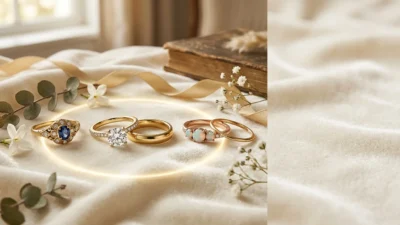
Wedding rings are among the most recognizable symbols of marriage. Their circular shape traditionally represents eternity, continuity, and everlasting love.
Best for: Symbolizing commitment and lifelong partnership.
Alternative: Matching bracelets or meaningful keepsakes.
Examples:
A couple chooses simple gold bands to represent lasting love.
Partners engrave their wedding date inside their rings.
2. White Wedding Dress Symbolism
A white wedding dress is often associated with purity, innocence, peace, and new beginnings. Today, it can also simply represent elegance and personal style.
Best for: Traditional and classic wedding ceremonies.
Alternative: Ivory, champagne, blush, or pastel dresses.
Examples:
A bride wears ivory to create a softer traditional look.
A couple chooses a colored wedding gown to express individuality.
3. Wedding Veil Symbolism
The wedding veil has been connected with modesty, mystery, protection, and the transition into marriage. Modern couples may also choose it simply for its romantic appearance.
Best for: Traditional or romantic wedding themes.
Alternative: Floral crowns, hairpieces, or jeweled accessories.
Examples:
A long veil creates a dramatic entrance.
A short veil adds a subtle traditional touch.
4. Wedding Bouquet Symbolism
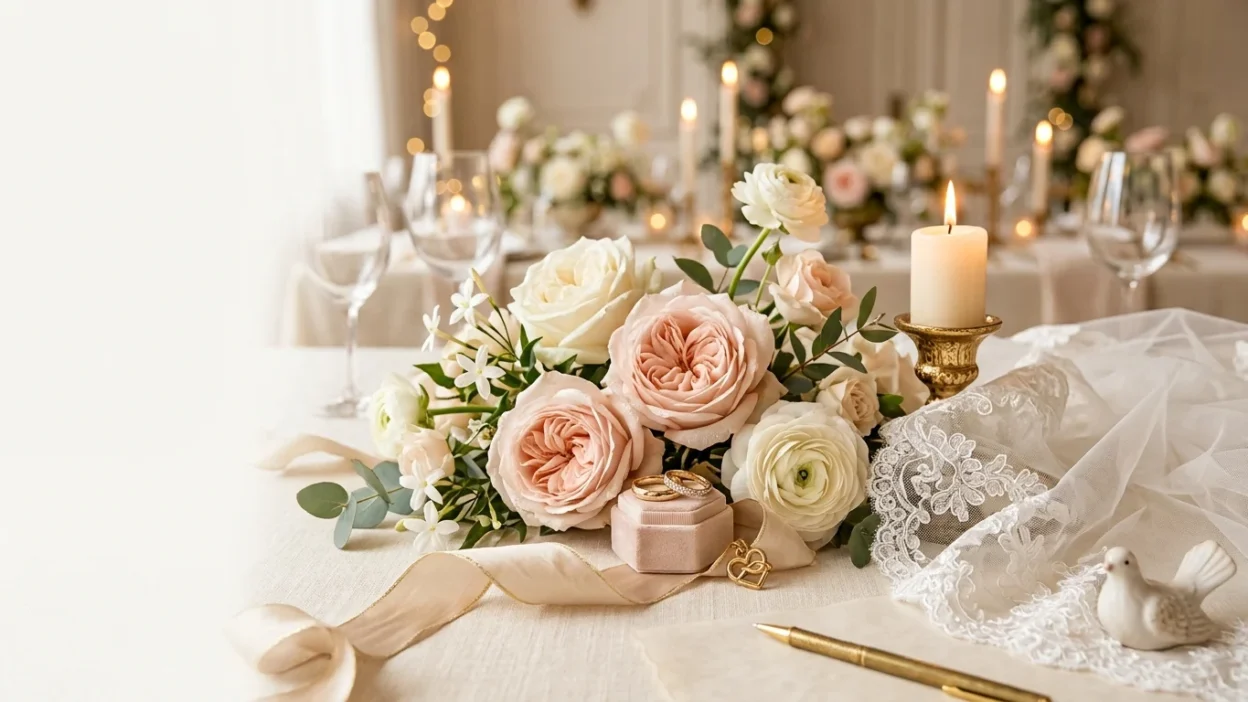
Flowers have long been used to communicate emotions and wishes. A wedding bouquet can symbolize love, beauty, happiness, growth, and new beginnings.
Best for: Adding personal meaning to wedding flowers.
Alternative: A single meaningful flower or dried bouquet.
Examples:
Roses represent romantic love.
Lavender can symbolize devotion and calmness.
5. Wedding Ring Exchange Symbolism
Exchanging rings publicly represents a mutual promise between two people. The gesture makes commitment visible during the wedding ceremony.
Best for: Traditional marriage ceremonies.
Alternative: Exchanging written vows or symbolic gifts.
Examples:
Partners exchange rings after saying their vows.
Each person explains why the ring represents their relationship.
6. Wedding Vows Symbolism
Wedding vows symbolize promises, trust, loyalty, and shared responsibility. They give couples an opportunity to express what marriage means to them.
Best for: Personal and emotionally meaningful ceremonies.
Alternative: Letters, readings, or spoken promises.
Examples:
A couple writes personal vows about supporting each other.
Partners include promises about growing together through life’s changes.
7. Unity Candle Symbolism
A unity candle ceremony often represents two individuals becoming one family or partnership. Two separate flames are combined into one.
Best for: Romantic and spiritual wedding ceremonies.
Alternative: Unity sand, water, or planting ceremonies.
Examples:
Each partner lights one candle before lighting a central candle together.
Parents can participate by lighting the individual candles.
8. Unity Sand Symbolism
Unity sand represents the joining of two lives. Different colors of sand are poured into one container, creating a permanent visual symbol of togetherness.
Best for: Outdoor weddings and family-centered ceremonies.
Alternative: Unity candle or tree planting.
Examples:
A couple combines blue and white sand.
Children add their own sand to represent a blended family.
9. Wedding Flowers Symbolism
Different flowers can communicate different emotions. Choosing flowers with symbolic meanings can make wedding decorations more personal.
Best for: Personalized floral arrangements.
Alternative: Symbolic greenery, herbs, or seasonal flowers.
Examples:
Peonies can create a romantic atmosphere.
Olive branches can suggest peace and harmony.
10. Rose Symbolism in Weddings
Roses are strongly associated with love, passion, beauty, and affection. Their color can also influence their symbolic meaning.
Best for: Romantic wedding themes.
Alternative: Peonies, tulips, or garden flowers.
Examples:
Red roses express passionate love.
White roses can suggest sincerity and new beginnings.
11. Something Old Symbolism
“Something old” traditionally represents continuity, family history, and connection to the past. It can be a sentimental item from a relative.
Best for: Honoring family traditions.
Alternative: A family photograph or inherited jewelry.
Examples:
A bride wears her grandmother’s vintage brooch.
A couple carries an old family handkerchief.
12. Something New Symbolism
“Something new” represents optimism, hope, and the beginning of a new chapter. It celebrates the future the couple is creating together.
Best for: Symbolizing fresh beginnings.
Alternative: New wedding shoes or personalized jewelry.
Examples:
A bride wears newly purchased earrings.
A couple uses new wedding rings as their “something new.”
13. Something Borrowed Symbolism
Something borrowed traditionally represents shared happiness and support. Borrowing an item from a happily married person can symbolize passing good fortune to the couple.
Best for: Family and friendship traditions.
Alternative: Borrowing a meaningful accessory from a loved one.
Examples:
A bride borrows a veil from her sister.
A groom wears cufflinks borrowed from his father.
14. Something Blue Symbolism
Blue has traditionally been associated with loyalty, faithfulness, peace, and love. It is often included as a small personal detail.
Best for: Traditional wedding symbolism.
Alternative: Blue flowers, jewelry, shoes, or embroidery.
Examples:
A bride wears a blue garter.
A small blue flower is included in the bouquet.
15. Wedding Cake Symbolism
Wedding cakes can symbolize sweetness, prosperity, celebration, and shared life. Cutting the cake together can represent cooperation and partnership.
Best for: Traditional wedding receptions.
Alternative: Cupcakes, dessert tables, or cultural sweets.
Examples:
A couple cuts the cake together.
Each partner feeds the other a small piece as a playful tradition.
16. Wedding Cake Cutting Symbolism
The cake-cutting ceremony is often viewed as the couple’s first shared task as newlyweds. It can represent cooperation and mutual participation.
Best for: Fun and interactive receptions.
Alternative: Sharing another traditional dessert.
Examples:
The couple cuts one slice together.
Partners serve dessert to each other before serving guests.
17. Wedding Bells Symbolism
Wedding bells are commonly associated with celebration, joy, good wishes, and the announcement of a marriage.
Best for: Traditional or vintage wedding themes.
Alternative: Chimes, music, or symbolic sound rituals.
Examples:
Guests ring small bells after the ceremony.
Decorative bells are placed on reception tables.
18. Wedding Arch Symbolism
A wedding arch can represent shelter, protection, a doorway into married life, and the beginning of a new journey.
Best for: Outdoor and garden weddings.
Alternative: Floral backdrops or decorative doorways.
Examples:
A floral arch frames the ceremony space.
A wooden arch creates a rustic symbol of entering a new chapter.
19. Wedding Aisle Symbolism
Walking down the aisle often symbolizes a journey toward partnership. The movement from one end to another can represent leaving one stage of life and entering another.
Best for: Ceremonial wedding entrances.
Alternative: Entering together or walking from different directions.
Examples:
One partner walks toward the other during the ceremony.
The couple enters the ceremony together.
20. Handfasting Symbolism
Handfasting involves tying or wrapping cords around the couple’s hands. It symbolizes connection, commitment, and the joining of two lives.
Best for: Celtic-inspired or personalized ceremonies.
Alternative: Ribbon ceremonies or unity rituals.
Examples:
The couple’s hands are tied with three symbolic cords.
Different ribbons represent love, friendship, and loyalty.
21. Wedding Confetti Symbolism
Confetti traditionally represents celebration, joy, fertility, prosperity, and good wishes. Modern couples often use environmentally friendly alternatives.
Best for: Joyful ceremony exits.
Alternative: Flower petals, dried leaves, or biodegradable confetti.
Examples:
Guests toss flower petals as the couple leaves.
Biodegradable paper confetti creates a colorful exit.
22. Wedding Rice Symbolism
Rice has historically been associated with abundance, prosperity, fertility, and good fortune in various wedding traditions.
Best for: Cultural and traditional ceremonies where appropriate.
Alternative: Flower petals or biodegradable materials.
Examples:
Guests toss rice after the ceremony.
Rice is incorporated into a cultural wedding ritual.
23. Wedding Colors Symbolism
Wedding colors can influence the emotional atmosphere of the celebration. Different shades can communicate romance, calmness, joy, elegance, or prosperity.
Best for: Creating a meaningful wedding theme.
Alternative: A neutral palette with symbolic accent colors.
Examples:
Gold can suggest prosperity and celebration.
Green can represent growth and renewal.
24. Gold Wedding Symbolism
Gold is often connected with value, prosperity, warmth, achievement, and enduring beauty. It can symbolize the precious nature of marriage.
Best for: Elegant and luxurious wedding themes.
Alternative: Champagne, bronze, or warm metallic accents.
Examples:
Gold details decorate the wedding invitations.
Gold candle holders create a symbolic reception setting.
25. Wedding Lanterns Symbolism
Lanterns can symbolize hope, guidance, warmth, protection, and light during a new journey.
Best for: Evening, outdoor, and romantic weddings.
Alternative: Candles or string lights.
Examples:
Lanterns line the wedding aisle.
A couple lights a lantern together during the ceremony.
26. Tree Planting Ceremony Symbolism
Planting a tree represents growth, stability, roots, strength, and a relationship that develops over time.
Best for: Nature-loving couples and outdoor weddings.
Alternative: Planting flowers, herbs, or a small indoor tree.
Examples:
The couple plants a tree together during the ceremony.
Family members add soil to symbolize collective support.
27. Wedding Water Symbolism
Water can represent cleansing, renewal, emotional connection, life, and unity. Some ceremonies use water from places meaningful to each partner.
Best for: Spiritual or nature-inspired weddings.
Alternative: Sand, wine, or another unity ritual.
Examples:
Each partner pours water into one vessel.
The couple uses water collected from meaningful locations.
28. Wedding Doorway Symbolism
A doorway can symbolize transition, opportunity, and entering a new chapter. It provides a powerful visual metaphor for beginning married life.
Best for: Rustic, historic, or creative ceremonies.
Alternative: An arch, gate, or decorated entrance.
Examples:
The couple walks through a decorated doorway after the ceremony.
A vintage door becomes part of the wedding backdrop.
29. Wedding Photography Symbolism
Wedding photographs preserve emotional moments and become visual reminders of commitment, family, and shared memories.
Best for: Capturing meaningful wedding traditions.
Alternative: A wedding video, guestbook, or memory box.
Examples:
A couple photographs inherited wedding jewelry.
Family members recreate an old wedding photograph.
30. Wedding Traditions Symbolism
Wedding traditions connect couples with family, culture, history, and community. The most meaningful traditions are those that reflect the couple’s values rather than simply following expectations.
Best for: Creating a personal and culturally meaningful ceremony.
Alternative: Creating new traditions unique to the couple.
Examples:
A couple incorporates a meaningful cultural blessing.
Partners create an annual anniversary ritual based on their wedding ceremony.
FAQs:
What is the meaning of wedding symbolism?
Wedding symbolism refers to the deeper meanings connected with wedding traditions, objects, colors, rituals, and decorations. These symbols can represent love, commitment, unity, prosperity, family, and new beginnings.
What is the most common symbol of marriage?
The wedding ring is one of the most common symbols of marriage. Its circular shape is often associated with eternity, continuity, and lasting commitment.
What flowers symbolize love at a wedding?
Roses are among the most recognized flowers associated with romantic love. Peonies, tulips, lilies, and other flowers can also carry meaningful associations depending on culture and personal interpretation.
What colors symbolize marriage and love?
Red is commonly associated with passion and romantic love, while white can represent purity or new beginnings. Gold often suggests prosperity, and green can symbolize growth and renewal.
Can couples create their own wedding symbolism?
Absolutely. Couples can create personal symbols based on shared experiences, family history, culture, hobbies, or future dreams. Personal meaning can make a wedding ceremony feel much more authentic.
Conclusion
Wedding symbolism turns ordinary wedding details into meaningful expressions of love, commitment, family, and hope. From rings and flowers to unity ceremonies and meaningful colors, each symbol can tell part of a couple’s unique story.
The most important thing is not following every traditional meaning perfectly. Choose symbols that genuinely connect with your relationship, values, culture, and hopes for the future. When wedding traditions have personal meaning, they become memories that can stay with you long after the celebration ends.

Julian Carter is a writer, poet, and scholar whose work explores culture, identity, history, and human connection. Through thoughtful storytelling and creative insight, he inspires readers to reflect on relationships, memory, and personal transformation.