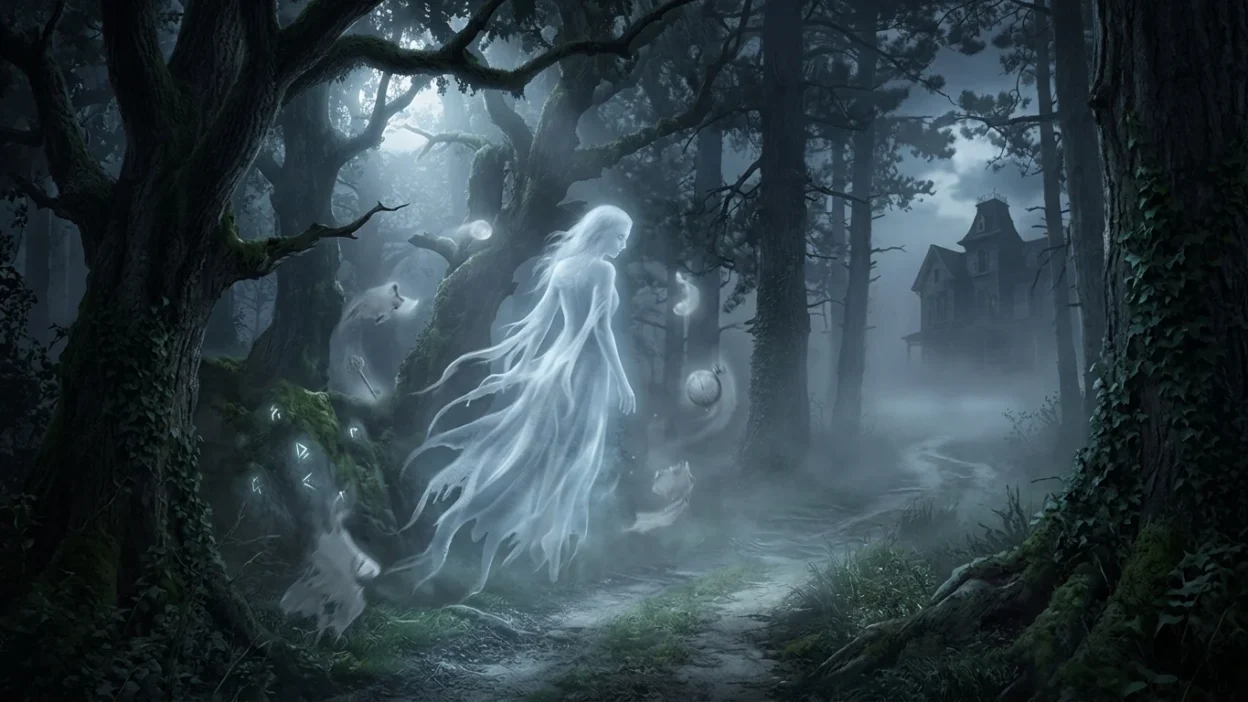
Ghost symbolism has fascinated people for centuries. Ghosts appear in folklore, religion, literature, dreams, films, and personal stories, often representing much more than a frightening supernatural figure. Depending on the context, a ghost can symbolize memory, loss, fear, unfinished business, hidden emotions, the past, or spiritual mystery.
Understanding ghost symbolism can help you interpret stories, dreams, artwork, and cultural traditions more deeply. While some people view ghosts as spirits of the dead, others see them as symbolic representations of emotions or experiences that continue to influence the present. Below are 30 common interpretations of ghost symbolism and what they may represent.
1. Ghost Symbolism as a Sign of the Past
Ghosts are strongly connected with the past. They can represent memories, experiences, or relationships that continue to influence someone’s life.
Best for: Understanding memories and personal history.
Alternative: Memory symbolism, nostalgia symbolism.
Examples:
A ghost in an old house may symbolize a family history that has not been forgotten.
A character haunted by a ghost may represent someone struggling to move beyond a past experience.
2. Ghost Symbolism and Unfinished Business
One of the most common symbolic meanings of a ghost is unfinished business. The ghost may represent something left unresolved.
Best for: Exploring unresolved situations.
Alternative: Closure symbolism, incomplete journey.
Examples:
A ghost searching for an answer may symbolize an unresolved conflict.
A recurring ghost story may represent a secret that still needs attention.
3. Ghost Symbolism of Memory
Ghosts can symbolize memories that remain alive even after people or situations are gone.
Best for: Remembering important experiences.
Alternative: Remembrance, emotional memory.
Examples:
A ghost appearing in a childhood home may symbolize memories from early life.
Seeing a familiar ghost in a story may represent remembering someone from the past.
4. Ghost Symbolism and Loss
A ghost can represent grief and the emotional presence of someone who is no longer physically present.
Best for: Exploring themes of loss and remembrance.
Alternative: Grief symbolism, mourning symbolism.
Examples:
A ghost visiting a loved one may symbolize difficulty accepting a loss.
A silent ghost may represent the lingering sadness of separation.
5. Ghost Symbolism of Fear
Ghosts are often used to represent fear, especially fear of the unknown.
Best for: Understanding hidden fears.
Alternative: Darkness symbolism, anxiety symbolism.
Examples:
A person running from a ghost may symbolize avoiding a difficult fear.
A ghost appearing in darkness may represent uncertainty about the future.
6. Ghost Symbolism and the Unknown
Because ghosts exist between the familiar and mysterious, they often symbolize the unknown.
Best for: Exploring mystery and uncertainty.
Alternative: Mystery symbolism, hidden truth.
Examples:
A ghost behind a closed door may symbolize an unknown secret.
A mysterious spirit may represent questions without clear answers.
7. Ghost Symbolism of Hidden Emotions
Sometimes a ghost represents emotions that have been ignored, buried, or suppressed.
Best for: Emotional self-reflection.
Alternative: Shadow symbolism, suppressed feelings.
Examples:
An angry ghost may symbolize unexpressed frustration.
A crying ghost may represent sadness that someone has avoided confronting.
8. Ghost Symbolism and Guilt
Ghosts can symbolize guilt that continues to follow a person.
Best for: Exploring regret and responsibility.
Alternative: Conscience symbolism, remorse.
Examples:
A ghost returning after a betrayal may symbolize lingering guilt.
A haunted character may represent someone unable to forgive themselves.
9. Ghost Symbolism of Regret
Regret is another powerful meaning connected with ghosts. The ghost may symbolize a choice someone wishes they could change.
Best for: Understanding missed opportunities.
Alternative: Remorse, reflection.
Examples:
A ghost from an old relationship may symbolize regret about past decisions.
A returning spirit may represent a person wishing they had acted differently.
10. Ghost Symbolism and Transformation
A ghost can symbolize change because it represents a state between one condition and another.
Best for: Exploring personal transformation.
Alternative: Rebirth symbolism, transition.
Examples:
A ghost leaving an old home may symbolize moving beyond the past.
A spirit changing form may represent emotional or personal growth.
11. Ghost Symbolism of Transition
Ghost imagery often represents a transition between life stages, identities, or emotional states.
Best for: Understanding major life changes.
Alternative: Journey symbolism, transformation.
Examples:
A ghost crossing a bridge may symbolize moving into a new chapter.
A fading ghost may represent the end of an important period in life.
12. Ghost Symbolism and Isolation
Ghosts are often portrayed as lonely figures separated from the living world.
Best for: Exploring loneliness and disconnection.
Alternative: Solitude symbolism, alienation.
Examples:
A ghost wandering alone may symbolize emotional isolation.
An invisible spirit may represent feeling ignored by others.
13. Ghost Symbolism of Invisibility
A ghost can symbolize the feeling of being unseen, unheard, or overlooked.
Best for: Exploring identity and recognition.
Alternative: Hidden identity, invisibility symbolism.
Examples:
A ghost no one notices may represent a person feeling ignored.
An invisible character may symbolize a lack of social recognition.
14. Ghost Symbolism and Secrets
Ghosts often appear in stories where hidden truths slowly come to light.
Best for: Mystery and secret symbolism.
Alternative: Hidden knowledge, concealed truth.
Examples:
A ghost guarding a room may symbolize a family secret.
A spirit revealing a message may represent the discovery of hidden information.
15. Ghost Symbolism of Truth
Although ghosts can hide in shadows, they can also symbolize truths that refuse to disappear.
Best for: Exploring honesty and revelation.
Alternative: Revelation symbolism, awakening.
Examples:
A ghost exposing a crime may symbolize truth coming to light.
A recurring spirit may represent a fact that can no longer be ignored.
16. Ghost Symbolism and Justice
In folklore and literature, ghosts sometimes return to seek justice or correct wrongdoing.
Best for: Stories about fairness and consequences.
Alternative: Karma symbolism, moral justice.
Examples:
A ghost demanding justice may symbolize the consequences of harmful actions.
A spirit revealing wrongdoing may represent accountability.
17. Ghost Symbolism of Spiritual Mystery
Ghosts are commonly associated with questions about the soul, death, and existence beyond physical life.
Best for: Spiritual reflection.
Alternative: Soul symbolism, afterlife symbolism.
Examples:
A peaceful spirit may symbolize curiosity about spiritual existence.
A ghostly figure in meditation art may represent the mystery of the soul.
18. Ghost Symbolism and the Afterlife
For many people and traditions, ghosts are connected with beliefs about what may exist after death.
Best for: Religious and spiritual interpretation.
Alternative: Afterlife symbolism, spirit symbolism.
Examples:
A ghost visiting a familiar place may symbolize a connection between life and death.
A spirit moving toward light may symbolize a journey beyond the physical world.
19. Ghost Symbolism in Dreams
Dreaming about a ghost may symbolize fear, memory, unresolved emotions, or something from the past.
Best for: Dream interpretation and self-reflection.
Alternative: Dream symbolism, subconscious meaning.
Examples:
Dreaming of a friendly ghost may symbolize acceptance of a past experience.
Dreaming of a chasing ghost may represent avoiding an emotional issue.
20. A Friendly Ghost Symbolism
Not every ghost is frightening. A friendly ghost can symbolize comfort, guidance, memory, or emotional healing.
Best for: Positive spiritual and emotional symbolism.
Alternative: Guardian symbolism, comforting presence.
Examples:
A friendly ghost helping a character may symbolize inner guidance.
A smiling spirit may represent a comforting memory.
21. A Scary Ghost Symbolism
A frightening ghost often represents anxiety, fear, danger, or emotional tension.
Best for: Horror and psychological interpretation.
Alternative: Fear symbolism, nightmare symbolism.
Examples:
A terrifying ghost may symbolize a fear someone cannot escape.
A dark spirit in a dream may represent deep emotional stress.
22. White Ghost Symbolism
White ghosts are commonly associated with mystery, purity, mourning, peace, or spiritual presence, depending on the culture and context.
Best for: Exploring visual symbolism.
Alternative: White symbolism, spiritual purity.
Examples:
A white ghost in folklore may symbolize a wandering spirit.
A peaceful white figure may represent remembrance or emotional release.
23. Black Ghost Symbolism
A dark or black ghost can symbolize fear, secrecy, the unconscious mind, or the unknown.
Best for: Understanding darker symbolic themes.
Alternative: Shadow symbolism, darkness symbolism.
Examples:
A black ghost in a story may symbolize a hidden danger.
A shadowy spirit may represent emotions someone refuses to acknowledge.
24. Ghost Symbolism in Literature
Writers often use ghosts to reveal secrets, represent the past, or explore guilt and human emotions.
Best for: Literary analysis.
Alternative: Supernatural symbolism, Gothic symbolism.
Examples:
A ghost returning to reveal a secret can move the story forward.
A haunted character may symbolize the lasting effects of past actions.
25. Ghost Symbolism in Art
Artists use ghostly figures to explore memory, absence, identity, mortality, and mystery.
Best for: Interpreting visual art.
Alternative: Surreal symbolism, spiritual imagery.
Examples:
A faded human figure may symbolize someone who has been lost.
A transparent figure may represent the fragile nature of memory.
26. Ghost Symbolism in Folklore
Ghost stories are found in cultures around the world, often reflecting local beliefs about death, ancestors, morality, and the supernatural.
Best for: Cultural exploration.
Alternative: Folklore symbolism, ancestral traditions.
Examples:
A local ghost legend may teach a moral lesson.
An ancestral spirit may symbolize respect for family history.
27. Ghost Symbolism and Ancestors
Ghosts can sometimes represent a symbolic connection with ancestors and family heritage.
Best for: Exploring heritage and remembrance.
Alternative: Ancestor symbolism, family symbolism.
Examples:
An ancestral spirit may symbolize respect for previous generations.
A ghost in a family home may represent the influence of family history.
28. Ghost Symbolism of Letting Go
A disappearing or departing ghost can symbolize emotional release and the ability to move forward.
Best for: Healing and personal growth.
Alternative: Release symbolism, closure.
Examples:
A ghost fading away may symbolize finally accepting the past.
A spirit leaving a house may represent emotional freedom.
29. Ghost Symbolism and Inner Conflict
Sometimes the ghost is not really about another being but about conflict within the person experiencing it.
Best for: Psychological interpretation.
Alternative: Inner shadow, emotional conflict.
Examples:
A character arguing with a ghost may symbolize an internal struggle.
A ghost appearing repeatedly may represent a problem demanding attention.
30. What Ghost Symbolism Ultimately Represents
The deepest meaning of a ghost depends on its context. It may represent fear, memory, grief, mystery, guilt, transition, or the powerful influence of the past.
Best for: Understanding the overall meaning of ghost symbolism.
Alternative: Spirit symbolism, supernatural symbolism.
Examples:
A peaceful ghost may symbolize memory and emotional comfort.
A frightening ghost may symbolize unresolved fear or conflict.
Conclusionv
Ghost symbolism is rich, complex, and deeply connected with human emotions. A ghost may represent the past that follows us, a memory we cannot forget, an unresolved issue, fear of the unknown, or a symbolic journey through change and loss.
When interpreting ghost imagery, consider the context. Ask yourself what the ghost is doing, how it makes you feel, and what events surround it. If you encounter a ghost in a dream, story, painting, or cultural tradition, its symbolism can offer a meaningful way to explore memory, mystery, fear, transformation, and emotional healing.
FAQs:
1. What does ghost symbolism mean?
Ghost symbolism can represent the past, memory, grief, fear, unresolved emotions, mystery, or spiritual questions. The exact meaning depends on the context.
2. What does a ghost symbolize spiritually?
Spiritually, a ghost may symbolize the soul, the unknown, transition, remembrance, or questions about life beyond death. Interpretations vary among cultures and belief systems.
3. What does a ghost symbolize in a dream?
A ghost in a dream may symbolize unresolved emotions, past experiences, fear, grief, or hidden thoughts. The feelings and events within the dream can help shape its interpretation.
4. Is a ghost always a symbol of fear?
No. A ghost can also symbolize comfort, memory, guidance, ancestors, healing, or emotional closure. Friendly or peaceful ghosts often carry different meanings from frightening ones.
5. What does a friendly ghost symbolize?
A friendly ghost may symbolize comfort, acceptance, guidance, a positive memory, or emotional healing. In stories and dreams, it can represent support rather than danger.

Sofia Harper is a dedicated writer and language enthusiast who enjoys exploring the meanings behind symbols, signs, and cultural icons. Through engaging and well-researched content, she helps readers uncover fascinating insights and hidden symbolism from around the world.