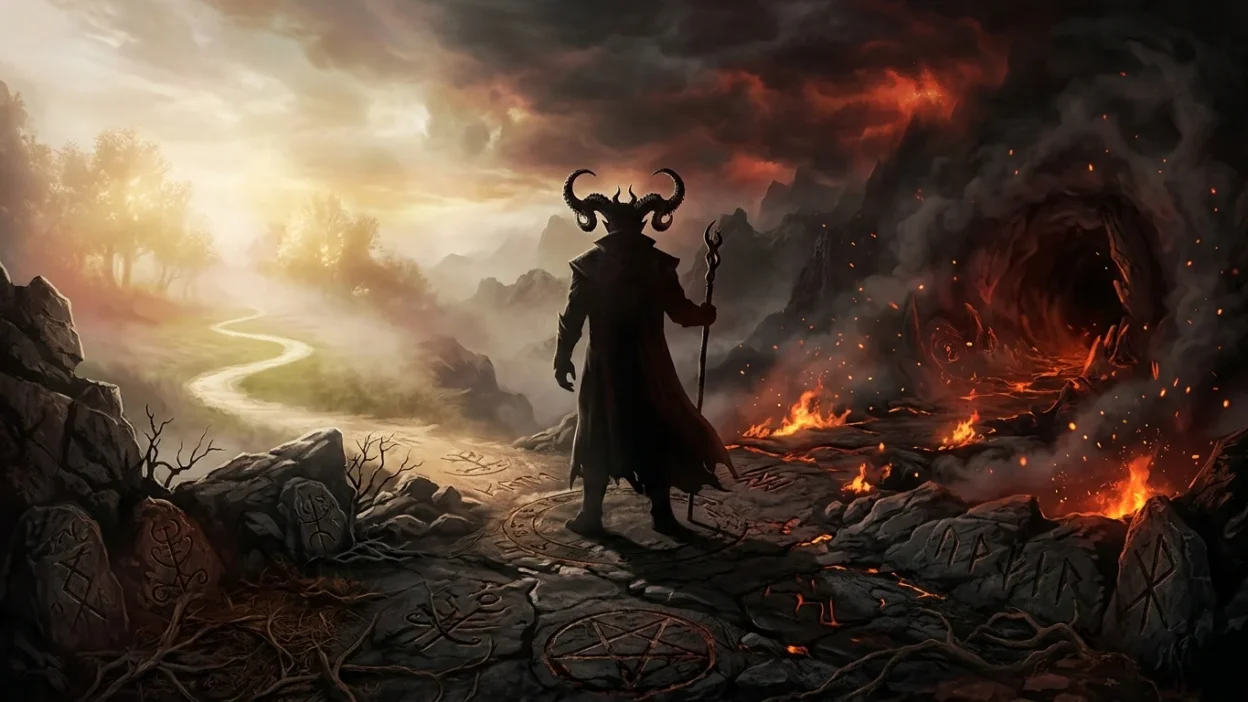
Devil symbolism has appeared in religion, mythology, literature, art, dreams, and popular culture for centuries. It is commonly connected with temptation, evil, rebellion, fear, sin, and the darker side of human nature. However, its meaning is not always simple or entirely negative.
Depending on the context, the devil can symbolize inner conflict, forbidden desires, personal freedom, deception, or the struggle between good and evil. Understanding devil symbolism can help you interpret religious imagery, dreams, tattoos, stories, artwork, and cultural symbols more thoughtfully.
1. Devil Symbolism and the Meaning of Evil
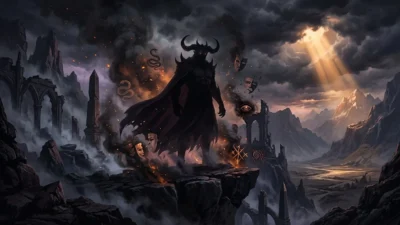
The devil is one of the most widely recognized symbols of evil and destructive behavior.
Best for: Understanding traditional religious and moral symbolism.
Alternative: Darkness symbolism or shadow symbolism.
Examples:
A villain represented with devil-like features to symbolize cruelty.
A dark figure in artwork representing the destructive side of humanity.
2. Devil Symbolism and Temptation
Temptation is one of the strongest meanings associated with the devil. It can represent something attractive that may lead to harmful consequences.
Best for: Interpreting moral struggles and difficult choices.
Alternative: Forbidden desire symbolism.
Examples:
A person tempted to betray a friend for personal gain.
An image of the devil offering something valuable in exchange for a sacrifice.
3. The Devil as a Symbol of Sin
In many religious traditions, the devil is associated with sin and actions that move people away from moral or spiritual values.
Best for: Religious and spiritual interpretation.
Alternative: Moral corruption symbolism.
Examples:
A religious painting showing a devil beside a person making a harmful choice.
A story where a character struggles against greed or dishonesty.
4. Devil Symbolism and Inner Conflict
The devil can represent the battle between different parts of the human mind.
Best for: Psychological and emotional interpretation.
Alternative: Inner shadow symbolism.
Examples:
A character struggling between revenge and forgiveness.
A dream featuring a devil during a stressful personal decision.
5. The Devil as a Symbol of Fear
Devilish imagery often represents the fears people try to avoid or hide.
Best for: Dream analysis and emotional reflection.
Alternative: Monster symbolism.
Examples:
A frightening devil appearing in a nightmare.
A dark figure representing fear of failure or rejection.
6. Devil Symbolism and Rebellion
The devil can sometimes symbolize rebellion against authority, rules, or social expectations.
Best for: Literature, art, and cultural analysis.
Alternative: Rebel symbolism.
Examples:
A fictional character rejecting an unfair ruler.
Devilish imagery used to represent defiance and independence.
7. The Devil as a Symbol of Forbidden Desire
Sometimes the devil represents desires that feel dangerous, hidden, or socially unacceptable.
Best for: Understanding complex emotional symbolism.
Alternative: Desire symbolism.
Examples:
A story about someone tempted by wealth at any cost.
Artwork showing a beautiful but dangerous offer.
8. Devil Symbolism and Deception
The devil is often portrayed as a trickster or deceiver who hides the truth.
Best for: Interpreting manipulation and dishonesty.
Alternative: Mask symbolism or trickster symbolism.
Examples:
A character making a promise they never intend to keep.
A devil figure appearing charming while secretly causing harm.
9. The Devil as a Symbol of Power
Devilish imagery can symbolize dangerous, uncontrolled, or corrupt power.
Best for: Political, literary, and social symbolism.
Alternative: Dark power symbolism.
Examples:
A ruler becoming cruel after gaining unlimited authority.
A devil-like figure controlling others through fear.
10. Devil Symbolism and Greed
Greed is another common meaning connected with the devil, especially when the desire for wealth becomes destructive.
Best for: Moral stories and symbolic interpretation.
Alternative: Gold symbolism or wealth symbolism.
Examples:
A person sacrificing relationships for money.
A story about someone accepting a harmful deal for riches.
11. The Devil as a Symbol of Addiction
In a modern symbolic sense, the devil may represent habits or desires that feel difficult to control.
Best for: Personal reflection and modern storytelling.
Alternative: Chains symbolism.
Examples:
A character describing a destructive habit as their “inner devil.”
Artwork showing a person chained to temptation.
12. Devil Symbolism and Loss of Control
The devil can represent situations where emotions, desires, or impulses become stronger than self-control.
Best for: Psychological interpretation.
Alternative: Chaos symbolism.
Examples:
Anger causing someone to make a decision they later regret.
A fictional character becoming controlled by ambition.
13. The Devil as a Symbol of Chaos
Devilish figures may symbolize disorder, destruction, and the breakdown of balance.
Best for: Mythological and artistic analysis.
Alternative: Storm symbolism or destruction symbolism.
Examples:
A devil appearing during the collapse of a fictional kingdom.
Dark imagery used to represent social disorder.
14. Devil Symbolism and the Shadow Self
Psychologically, the devil can represent the parts of ourselves we deny, fear, or try to hide.
Best for: Self-reflection and psychological symbolism.
Alternative: Shadow symbolism.
Examples:
A dream revealing hidden anger through a dark figure.
A novel character confronting their own jealousy.
15. The Devil as a Symbol of Moral Choice
Devil symbolism often appears when a person faces a difficult choice between competing values.
Best for: Understanding ethical dilemmas.
Alternative: Crossroads symbolism.
Examples:
Choosing honesty even when lying would be easier.
A story where a character must choose between loyalty and personal success.
16. Devil Symbolism in Religion
In religious contexts, the devil may represent opposition to divine goodness, spiritual temptation, or moral danger.
Best for: Studying religious symbolism respectfully.
Alternative: Spiritual darkness symbolism.
Examples:
Religious artwork showing a struggle between good and evil.
A sermon using the devil as a symbol of temptation.
17. Devil Symbolism in Christianity
In Christian traditions, the devil is commonly associated with Satan, temptation, deception, and opposition to God.
Best for: Understanding Christian religious imagery.
Alternative: Satan symbolism.
Examples:
Biblical stories discussing temptation.
Christian artwork contrasting heavenly and demonic imagery.
18. Devil Symbolism in Mythology
Different cultures have created supernatural figures associated with trickery, destruction, darkness, or disorder.
Best for: Comparing cultural beliefs and myths.
Alternative: Demon symbolism or trickster symbolism.
Examples:
A mythological being testing a hero’s character.
A supernatural figure creating chaos within a traditional story.
19. Devil Symbolism in Literature
Writers often use the devil as a powerful symbol of temptation, ambition, corruption, or personal struggle.
Best for: Literary analysis.
Alternative: Villain symbolism.
Examples:
A character making a dangerous bargain for success.
A dark antagonist representing the hero’s hidden weaknesses.
20. Devil Symbolism in Art
Artists use devil imagery to explore fear, morality, rebellion, desire, and the unknown.
Best for: Understanding symbolic artwork.
Alternative: Dark art symbolism.
Examples:
A painting showing light and darkness in conflict.
A sculpture using horns and shadows to represent temptation.
21. Devil Symbolism in Movies and Popular Culture
Modern films, music, games, and fashion often use devil imagery for dramatic or rebellious effect.
Best for: Pop culture interpretation.
Alternative: Gothic symbolism.
Examples:
A movie villain designed with devil-like features.
A fashion design using horns to create a rebellious image.
22. Devil Symbolism in Dreams
Dreaming about the devil does not automatically predict something bad. It may reflect fear, guilt, temptation, conflict, or stress.
Best for: Personal dream reflection.
Alternative: Nightmare symbolism.
Examples:
A devil appearing when you feel pressured to make a difficult choice.
A dark figure representing a fear you have been avoiding.
23. Being Chased by the Devil in a Dream
A dream about being chased by the devil may symbolize running away from a problem, emotion, or difficult responsibility.
Best for: Understanding recurring fear-based dreams.
Alternative: Chase dream symbolism.
Examples:
Avoiding an important conversation in real life.
Feeling overwhelmed by guilt about a past decision.
24. Talking to the Devil in a Dream
A conversation with the devil may symbolize an internal debate, temptation, or confrontation with hidden thoughts.
Best for: Exploring dream messages carefully.
Alternative: Inner dialogue symbolism.
Examples:
Questioning whether a risky decision is worth taking.
Facing a personal desire that conflicts with your values.
25. Devil Symbolism in Tarot
In tarot interpretation, the Devil card is often connected with attachment, temptation, unhealthy patterns, and feeling trapped.
Best for: Understanding symbolic tarot themes.
Alternative: Chains and bondage symbolism.
Examples:
Recognizing a habit that limits personal growth.
Reflecting on a relationship built around unhealthy dependence.
26. Devil Symbolism in Tattoos
A devil tattoo can have many meanings, including rebellion, humor, personal freedom, temptation, or embracing one’s darker side.
Best for: Exploring tattoo symbolism.
Alternative: Demon tattoo symbolism or gothic imagery.
Examples:
A cartoon devil tattoo representing a playful personality.
A dark devil design representing rebellion and individuality.
27. Devil Horns Symbolism
Devil horns are commonly associated with power, danger, rebellion, and supernatural identity.
Best for: Interpreting visual symbols.
Alternative: Horn symbolism.
Examples:
A fictional demon character with horns to appear intimidating.
A music or fashion image using horns to suggest rebellion.
28. Red Devil Symbolism
The color red can strengthen devil symbolism by suggesting passion, danger, anger, energy, and temptation.
Best for: Understanding color symbolism.
Alternative: Red symbolism or fire symbolism.
Examples:
A red devil character representing intense temptation.
Flames surrounding a devil figure to create a sense of danger.
29. Devil Symbolism as a Warning
Sometimes the devil serves as a symbolic warning about choices, relationships, habits, or situations that may become harmful.
Best for: Moral and cautionary interpretation.
Alternative: Warning symbolism.
Examples:
A story showing the consequences of unchecked greed.
A dream encouraging someone to examine a troubling situation.
30. The Devil as a Symbol of Personal Transformation
Although often viewed negatively, confronting devil symbolism can also represent growth through facing fear, temptation, and the shadow self.
Best for: Personal development and reflective interpretation.
Alternative: Transformation symbolism.
Examples:
A person overcoming destructive habits and becoming stronger.
A fictional hero confronting their darkest fears before changing.
FAQs:
What does devil symbolism generally mean?
Devil symbolism commonly represents temptation, evil, deception, fear, rebellion, sin, inner conflict, and destructive desires. Its exact meaning depends heavily on the cultural, religious, artistic, or personal context.
Is devil symbolism always negative?
No. While it is often connected with darkness or danger, it can also symbolize rebellion, independence, confronting the shadow self, and personal transformation.
What does seeing a devil in a dream symbolize?
A devil in a dream may represent fear, guilt, temptation, emotional conflict, or a difficult situation. Dreams are personal, so the meaning can change based on what happened and how you felt.
What does a devil tattoo symbolize?
A devil tattoo can symbolize rebellion, humor, temptation, freedom, individuality, or acceptance of one’s darker side. The design and personal intention matter most.
What does the Devil tarot card symbolize?
The Devil tarot card is commonly associated with unhealthy attachments, temptation, limiting beliefs, destructive patterns, and situations where a person may feel trapped.
Conclusion
Devil symbolism is much deeper than a simple representation of evil. Across religion, mythology, dreams, literature, art, tarot, and popular culture, it can represent temptation, fear, deception, rebellion, hidden desires, inner conflict, and personal transformation.
The most useful way to interpret this symbol is to consider its context. Ask what the devil is doing, what emotions it creates, and what situation surrounds it. If you are studying a dream, tattoo, artwork, or story, devil symbolism can offer a powerful lens for exploring the ongoing struggle between human desires, choices, darkness, and growth.