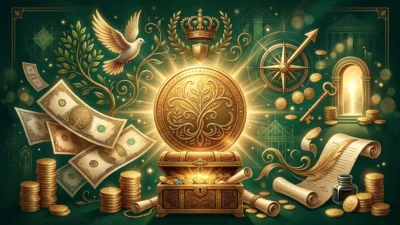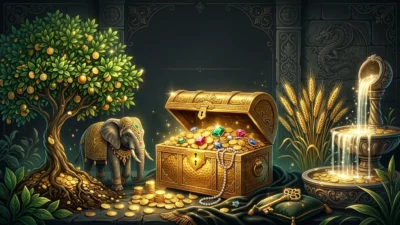
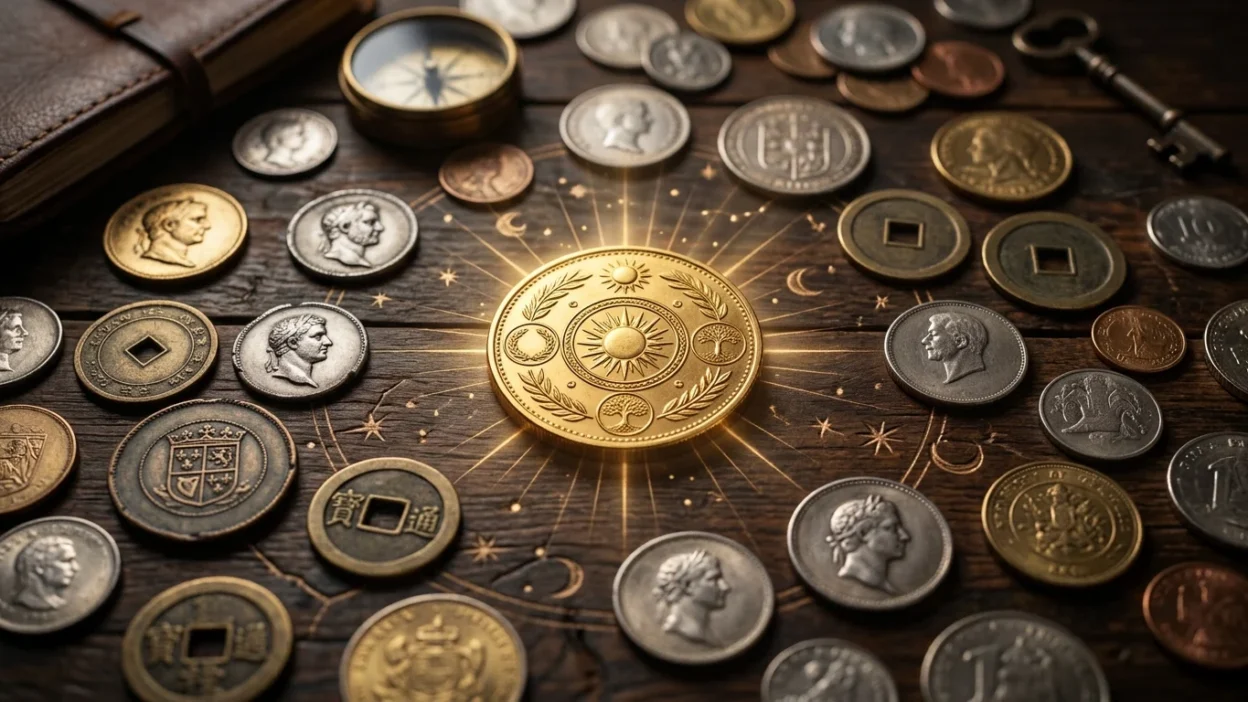
Coins are small objects, but their meaning can be surprisingly powerful. Coin symbolism is often connected with wealth, luck, opportunity, value, exchange, prosperity, and the choices people make in life. Across different cultures, coins have also represented blessings, protection, abundance, and good fortune.
If you found a coin on the ground, received one as a gift, dreamed about coins, or are simply curious about their deeper meaning, understanding coin symbolism can add an interesting layer to an ordinary object. The meaning can change depending on the coin’s condition, number, location, and personal or cultural context.
1. Coin Symbolism and Wealth
Coins are one of the clearest symbols of wealth and financial value. Because coins have traditionally been used to buy goods and services, they naturally became associated with material prosperity.
Best for: Representing financial success and abundance.
Alternative: Money symbolism, prosperity symbolism.
Examples:
- A collection of gold coins can symbolize accumulated wealth.
- A coin gift may represent hopes for financial success.
2. Coin Symbolism and Good Luck
Finding a coin is often viewed as a small sign of good luck. This belief appears in many everyday traditions and sayings.
Best for: Symbolizing fortunate opportunities.
Alternative: Lucky charm symbolism.
Examples:
- Finding a coin before an important event may feel like an encouraging sign.
- Keeping a special coin in your wallet can serve as a personal good-luck charm.
3. Coin Symbolism and Prosperity
Coins can represent prosperity in a broader sense—not only money, but growth, security, and having enough to meet your needs.
Best for: Expressing abundance and success.
Alternative: Abundance symbolism.
Examples:
- A bowl containing coins can symbolize a prosperous household.
- Giving someone a coin can express wishes for a successful future.
4. Coin Symbolism in Spirituality
Spiritually, coins may represent energy, blessings, opportunity, and the value of what we receive and give.
Best for: Reflecting on abundance and gratitude.
Alternative: Spiritual abundance symbolism.
Examples:
- Finding a coin may remind someone to appreciate unexpected blessings.
- Placing a meaningful coin on an altar can represent gratitude for abundance.
5. Coin Symbolism and Opportunity
Money changes hands, so coins can symbolize movement and new opportunities. A coin may represent a chance to move forward or make a meaningful choice.
Best for: New beginnings and possibilities.
Alternative: Opportunity symbolism.
Examples:
- Receiving a coin before starting a new job can feel symbolic of opportunity.
- A coin on a path can represent a decision or opening ahead.
6. Coin Symbolism and Generosity
Coins can symbolize generosity because money is frequently given, shared, donated, or exchanged.
Best for: Representing kindness and giving.
Alternative: Charity symbolism.
Examples:
- Donating coins can symbolize helping someone in need.
- Giving a child a coin can represent generosity and sharing.
7. Coin Symbolism and Value
A coin represents value, making it a natural symbol for understanding what—and who—we value.
Best for: Personal reflection.
Alternative: Worth symbolism.
Examples:
- A treasured old coin may represent something emotionally valuable.
- A coin kept from childhood can symbolize memories more valuable than money.
8. Coin Symbolism and Balance
Coins have two sides, making them useful symbols of duality and balance. One side cannot exist as the complete coin without the other.
Best for: Representing opposing forces.
Alternative: Duality symbolism.
Examples:
- Heads and tails can symbolize two sides of a situation.
- A coin can represent balancing material needs with spiritual values.
9. Coin Symbolism and Choices
The phrase “flip a coin” gives coins a strong connection with decisions and uncertainty.
Best for: Representing difficult choices.
Alternative: Decision symbolism.
Examples:
- Flipping a coin can symbolize choosing between two possibilities.
- Seeing a coin during a period of uncertainty may remind someone to trust their judgment.
10. Coin Symbolism and Fate
Because coin flips are unpredictable, coins can represent fate, chance, and destiny.
Best for: Exploring uncertainty.
Alternative: Destiny symbolism.
Examples:
- A coin toss before a game can represent leaving an outcome to chance.
- A coin appearing unexpectedly may be interpreted personally as a reminder that life contains surprises.
11. Coin Symbolism and Fortune
Coins have long been connected with fortune because financial resources can influence comfort, security, and opportunity.
Best for: Symbolizing favorable circumstances.
Alternative: Fortune symbolism.
Examples:
- Golden coins can represent prosperity and fortune.
- A lucky coin may be carried during important occasions.
12. Coin Symbolism and Protection
In some traditions, coins have been used as protective or blessing objects. Their meaning often comes from the cultural tradition surrounding them.
Best for: Symbolizing security and protection.
Alternative: Protective charm symbolism.
Examples:
- A special coin may be carried as a personal talisman.
- A coin passed down through a family can represent protection and heritage.
13. Coin Symbolism and Generational Wisdom
Old coins can connect the present with previous generations. They may symbolize family history, inherited knowledge, and traditions.
Best for: Family heritage.
Alternative: Ancestral symbolism.
Examples:
- An inherited coin can represent a connection to grandparents.
- An antique coin may preserve a small piece of family history.
14. Coin Symbolism in Dreams
Dreaming about coins can have many interpretations depending on the dreamer and the surrounding details. Coins may relate to value, security, opportunities, or financial concerns.
Best for: Personal dream reflection.
Alternative: Money dream symbolism.
Examples:
- Finding coins in a dream may suggest discovering an overlooked opportunity.
- Losing coins in a dream may reflect concerns about loss or insecurity.
15. Coin Symbolism and Finding a Coin
Finding a coin is commonly associated with luck, unexpected blessings, or noticing something that others overlook.
Best for: Everyday symbolic interpretation.
Alternative: Found-object symbolism.
Examples:
- Finding a coin while walking may feel like a positive coincidence.
- Discovering an old coin can encourage curiosity about its history.
16. Coin Symbolism and a Coin Facing Up
Some people attach special meaning to the orientation of a found coin. A coin facing upward may be interpreted as a positive sign, although this is a personal or cultural belief rather than a universal rule.
Best for: Personal signs and synchronicity.
Alternative: Symbolic coincidence.
Examples:
- Seeing the face side of a coin may feel like a reminder to stay optimistic.
- Keeping an upward-facing coin can become a personal ritual for positivity.
17. Coin Symbolism and a Coin Facing Down
A coin facing downward may have different interpretations depending on the tradition. Some people see it as a reminder to pause, reflect, or consider another perspective.
Best for: Reflection and awareness.
Alternative: Hidden-message symbolism.
Examples:
- A face-down coin can remind someone that every situation has unseen details.
- Turning the coin over can symbolize gaining a new perspective.
18. Coin Symbolism and Old Coins
Old coins carry symbolism connected with history, memory, time, and change. Their worn surfaces can make them especially meaningful.
Best for: History and nostalgia.
Alternative: Antique symbolism.
Examples:
- An old family coin can represent generations of memories.
- A historic coin can symbolize how societies and values change over time.
19. Coin Symbolism and Gold Coins
Gold is traditionally associated with wealth, achievement, prestige, and abundance, making gold coins especially powerful symbols of prosperity.
Best for: Success and abundance.
Alternative: Gold symbolism.
Examples:
- A gold coin can represent financial achievement.
- Decorative gold coins may symbolize luxury and prosperity.
20. Coin Symbolism and Silver Coins
Silver coins can symbolize clarity, intuition, value, and tradition. Their association can vary considerably across cultures.
Best for: Intuition and refinement.
Alternative: Silver symbolism.
Examples:
- A silver coin can be used as a symbolic gift for good fortune.
- An old silver coin may represent tradition and heritage.
21. Coin Symbolism and Three Coins
The number three often carries symbolic importance in mythology, religion, storytelling, and cultural traditions. Three coins may therefore represent completeness, growth, or a meaningful sequence.
Best for: Symbolic sets and rituals.
Alternative: Number symbolism.
Examples:
- Three coins can symbolize past, present, and future.
- Three coins may represent growth through three stages of life.
22. Coin Symbolism and Multiple Coins
A group of coins can symbolize accumulated resources, collective effort, or abundance.
Best for: Representing growth over time.
Alternative: Abundance symbolism.
Examples:
- A jar gradually filled with coins can represent saving and patience.
- A pile of coins can symbolize the results of consistent effort.
23. Coin Symbolism and Giving Coins as Gifts
Giving someone a coin can carry a simple but meaningful message: wishing them luck, prosperity, or success.
Best for: Gifts with symbolic meaning.
Alternative: Good-luck gift symbolism.
Examples:
- A parent may give a child a special coin before a new journey.
- A friend may receive a lucky coin before starting a new job.
24. Coin Symbolism and Receiving Coins
Receiving a coin can symbolize accepting support, opportunity, or abundance. Its emotional meaning often depends on who gives it and why.
Best for: Blessings and encouragement.
Alternative: Gift symbolism.
Examples:
- Receiving a family coin can symbolize inherited love and wisdom.
- A gifted lucky coin can represent someone’s hopes for your success.
25. Coin Symbolism and Saving Money
Coins can represent patience, discipline, and gradual progress because small amounts can accumulate over time.
Best for: Financial discipline.
Alternative: Savings symbolism.
Examples:
- A savings jar filled with coins represents steady progress.
- Saving one coin at a time can symbolize the power of small actions.
26. Coin Symbolism and Transformation
Coins change hands, travel between places, and remain useful across different situations. This makes them interesting symbols of movement and transformation.
Best for: Personal growth.
Alternative: Change symbolism.
Examples:
- An old coin becoming part of a collection can represent a new chapter.
- A coin changing ownership can symbolize how value moves through life.
27. Coin Symbolism in History and Culture
Coins are more than money; they are historical objects. They often display rulers, leaders, animals, symbols, dates, and cultural imagery.
Best for: Understanding cultural history.
Alternative: Historical symbolism.
Examples:
- A coin bearing a ruler’s portrait can reflect political authority.
- A coin featuring an animal can reveal cultural beliefs and identity.
28. Coin Symbolism in Art and Literature
Artists and writers often use coins to explore themes such as greed, generosity, temptation, poverty, power, and social status.
Best for: Literary and artistic interpretation.
Alternative: Material symbolism.
Examples:
- A character clutching coins may symbolize greed or fear of scarcity.
- A character giving away money may symbolize generosity or sacrifice.
29. Coin Symbolism and Personal Meaning
The most meaningful interpretation of a coin may come from your own experience. A coin connected to a person, place, memory, or important moment can become a personal symbol.
Best for: Emotional and personal reflection.
Alternative: Sentimental symbolism.
Examples:
- A coin from a memorable trip can represent adventure.
- A coin inherited from someone you love can symbolize connection and remembrance.
30. Coin Symbolism and Everyday Signs
Coin symbolism does not have to be mystical. Sometimes a coin simply becomes a useful reminder to pay attention to opportunities, choices, gratitude, and personal values.
Best for: Mindful everyday reflection.
Alternative: Synchronicity symbolism.
Examples:
- Finding a coin can remind you to appreciate small moments.
- Keeping a meaningful coin nearby can remind you of a personal goal.
FAQs:
What does coin symbolism mean?
Coin symbolism commonly represents wealth, luck, prosperity, opportunity, value, exchange, choice, and abundance. Its meaning can change according to culture and personal experience.
What does finding a coin symbolize?
Finding a coin is often interpreted as a sign of good luck, unexpected opportunity, abundance, or encouragement. However, the meaning is personal rather than universally established.
What does a coin symbolize spiritually?
Spiritually, a coin may represent abundance, blessings, gratitude, balance, opportunity, or the exchange of energy and value.
What does dreaming about coins mean?
Dreaming about coins may relate to personal value, money, security, opportunity, or concerns about gaining or losing something important. The details of the dream matter.
Are coins considered good-luck symbols?
Yes, coins are commonly used as good-luck symbols in many traditions. A particular coin can also become a personal lucky charm because of the memories or beliefs attached to it.
Conclusion
Coin symbolism goes far beyond money. Coins can represent wealth and prosperity, but they can also speak to luck, opportunity, choices, balance, generosity, heritage, transformation, and personal value.
If you find or receive a coin that feels meaningful, take a moment to consider its context. Where did it come from? Why did you notice it? What memory or feeling does it bring up? Sometimes the most powerful symbolism is not in the object itself, but in the meaning we choose to give it.

Julian Carter is a writer, poet, and scholar whose work explores culture, identity, history, and human connection. Through thoughtful storytelling and creative insight, he inspires readers to reflect on relationships, memory, and personal transformation.