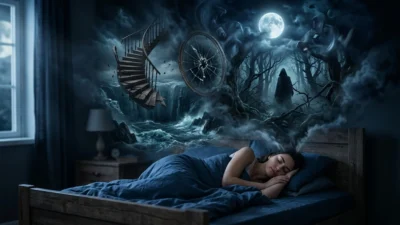
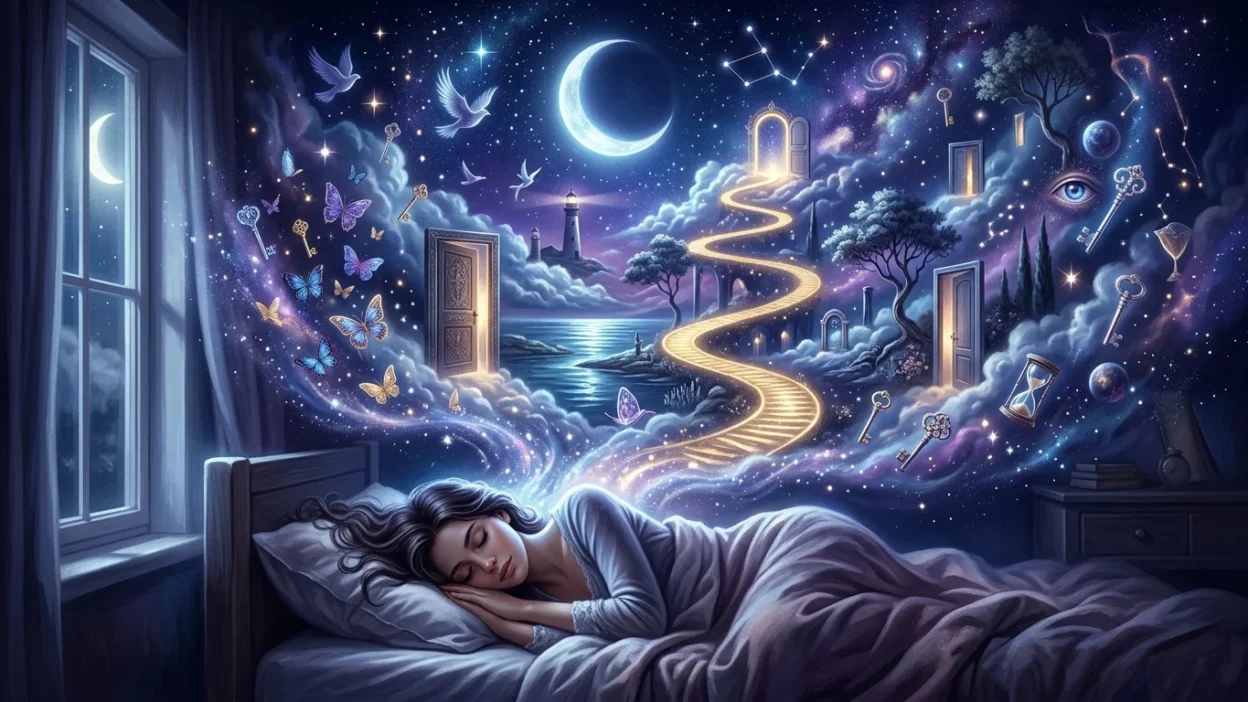
Dream symbolism is the idea that people, places, objects, actions, and emotions in dreams can represent deeper thoughts, feelings, memories, or life experiences. A dream may seem strange on the surface, yet its symbols can sometimes reflect what your mind is processing while you sleep.
Understanding dream symbolism can be a helpful form of self-reflection. However, there is no single meaning that applies to every dream. Your personal experiences, emotions, culture, and circumstances all influence what a particular dream symbol may mean to you.
1. What Does Dream Symbolism Mean?
Dream symbolism refers to the possible meanings hidden within the images, events, and emotions experienced during dreams. Symbols can be personal, cultural, emotional, or sometimes simply connected to recent experiences.
Best for: Understanding the overall meaning of your dreams.
Alternative: Keep a dream journal and look for recurring patterns.
Examples:
Dreaming about a locked door may reflect feeling blocked from an opportunity.
Dreaming about an open road may represent freedom or a new direction.
2. Dream Symbolism and Emotions
Your emotions during a dream can be more meaningful than the symbol itself. The same object can have completely different meanings depending on whether you feel peaceful, frightened, excited, or sad.
Best for: Understanding the emotional message of a dream.
Alternative: Write down how you felt immediately after waking.
Examples:
A dream about water may feel calming if the water is peaceful.
The same water may feel threatening if you are struggling to swim.
3. Flying in Dreams
Flying is one of the most commonly discussed dream symbols. It may represent freedom, ambition, confidence, escape, or a desire to rise above difficulties.
Best for: Exploring feelings of independence and possibility.
Alternative: Consider whether you currently want more freedom in waking life.
Examples:
Flying easily may symbolize confidence and personal freedom.
Being unable to control your flight may reflect uncertainty about your direction.
4. Falling in Dreams
Falling dreams are often associated with insecurity, loss of control, anxiety, or fear of failure. Their meaning depends heavily on what is happening in your life.
Best for: Reflecting on stress and uncertainty.
Alternative: Identify areas where you feel you have little control.
Examples:
Falling from a tall building may represent overwhelming pressure.
Falling into water may connect fear with emotional vulnerability.
5. Water Dream Symbolism
Water often appears in dreams and can be associated with emotions, change, intuition, and the unconscious mind.
Best for: Exploring your emotional state.
Alternative: Pay attention to whether the water is clear, dark, calm, or turbulent.
Examples:
Calm water may suggest emotional peace.
Stormy water may reflect inner conflict or emotional stress.
6. Dreaming About Snakes
Snakes can symbolize transformation, fear, healing, danger, wisdom, or something hidden. Their interpretation depends on your personal relationship with snakes.
Best for: Exploring fears and major changes.
Alternative: Focus on how the snake behaved in the dream.
Examples:
A snake shedding its skin may symbolize transformation.
A snake chasing you may represent something you are avoiding.
7. Dream Symbolism of Teeth
Dreams about losing or breaking teeth are frequently reported. They may be connected with anxiety, appearance, communication, vulnerability, or concerns about change.
Best for: Exploring insecurity or stress.
Alternative: Consider whether you have recently worried about how others perceive you.
Examples:
Teeth falling out may represent feelings of helplessness.
A broken tooth may symbolize embarrassment or communication concerns.
8. Houses in Dreams
A house can symbolize the self, personal life, memories, relationships, or different parts of your personality. Rooms may represent different areas of your inner world.
Best for: Exploring your sense of identity and personal life.
Alternative: Examine which room appeared and how it looked.
Examples:
A bright new house may represent personal growth.
A neglected room may reflect something you have been avoiding.
9. Dreaming About Death
Death in dreams does not necessarily predict literal death. It can symbolize endings, transformation, emotional change, or the closing of one chapter.
Best for: Understanding transitions in life.
Alternative: Ask yourself what may be ending or changing.
Examples:
Dreaming about the death of an old version of yourself may represent growth.
A funeral in a dream may symbolize letting go of the past.
10. Baby Dream Symbolism
Babies can symbolize new beginnings, innocence, vulnerability, creativity, or something that is developing in your life.
Best for: Reflecting on new projects or personal changes.
Alternative: Think about something in your life that needs care and attention.
Examples:
Holding a healthy baby may represent hope and new possibilities.
Caring for a crying baby may symbolize responsibility or emotional needs.
11. Dreaming About Fire
Fire can represent passion, energy, destruction, anger, purification, or transformation. Its meaning changes depending on whether the fire feels comforting or dangerous.
Best for: Exploring powerful emotions and transformation.
Alternative: Consider what the fire was affecting.
Examples:
A warm fireplace may represent comfort and security.
A wildfire may reflect overwhelming emotions or circumstances.
12. Birds in Dream Symbolism
Birds often suggest freedom, perspective, communication, hope, or spiritual ideas. Different birds may carry different cultural associations.
Best for: Exploring freedom and personal aspirations.
Alternative: Identify the specific bird and your feelings toward it.
Examples:
A bird flying freely may symbolize independence.
A bird trapped in a cage may represent feeling restricted.
13. Dreaming About Being Chased
Being chased may reflect avoidance, fear, pressure, or an unresolved issue. The person or thing chasing you can provide additional clues.
Best for: Identifying problems you may be avoiding.
Alternative: Ask what you were trying to escape from.
Examples:
Being chased by an unknown person may represent general anxiety.
Being chased by an animal may connect with a powerful instinct or fear.
14. Door Dream Symbolism
Doors can represent opportunities, boundaries, choices, transitions, and unknown possibilities.
Best for: Understanding decisions and life changes.
Alternative: Notice whether the door is open, closed, locked, or broken.
Examples:
An open door may symbolize a new opportunity.
A locked door may represent frustration or a perceived barrier.
15. Roads and Journeys in Dreams
Roads often symbolize life’s direction, progress, choices, and personal journeys.
Best for: Reflecting on your goals and future.
Alternative: Consider whether the road was straight, confusing, crowded, or empty.
Examples:
A clear road may suggest confidence about your direction.
A confusing road may represent uncertainty about an important decision.
16. Dream Symbolism of Mountains
Mountains may represent challenges, ambition, achievement, strength, or spiritual growth. Climbing can suggest effort toward a meaningful goal.
Best for: Understanding challenges and aspirations.
Alternative: Focus on whether you were climbing, standing on top, or observing the mountain.
Examples:
Climbing a mountain may represent working toward success.
Reaching the summit may symbolize achievement or confidence.
17. Mirrors in Dreams
Mirrors can symbolize self-image, identity, self-awareness, and how you perceive yourself.
Best for: Exploring your relationship with yourself.
Alternative: Pay attention to what you saw in the reflection.
Examples:
Seeing yourself clearly may suggest self-awareness.
A distorted reflection may represent uncertainty about identity or self-image.
18. Dreaming About Money
Money in dreams may represent security, value, power, opportunity, confidence, or concerns about resources.
Best for: Exploring beliefs about success and security.
Alternative: Think about your emotional reaction to gaining or losing money.
Examples:
Finding money may symbolize discovering an opportunity.
Losing money may reflect fears about stability or control.
19. Dream Symbolism of the Ocean
The ocean can represent deep emotions, mystery, the unknown, and the vastness of the unconscious mind.
Best for: Exploring deep emotional experiences.
Alternative: Observe the ocean’s condition.
Examples:
A calm ocean may symbolize emotional acceptance.
A dark ocean may reflect uncertainty or hidden feelings.
20. Dreaming About Rain
Rain can symbolize emotional release, renewal, sadness, cleansing, or growth.
Best for: Understanding emotional changes.
Alternative: Consider how the rain made you feel.
Examples:
Gentle rain may represent peace and renewal.
Heavy rain may reflect emotional overwhelm.
21. Animals in Dreams
Animals may represent instincts, personality traits, fears, relationships, or qualities you associate with that particular creature.
Best for: Exploring instinctive emotions and behavior.
Alternative: Consider what the animal personally means to you.
Examples:
A lion may symbolize courage or authority.
A rabbit may represent gentleness, vulnerability, or alertness.
22. Dreaming About Friends
Friends in dreams may reflect your feelings about friendship, connection, memories, or qualities you associate with a particular person.
Best for: Understanding relationships and social emotions.
Alternative: Focus on the interaction rather than simply the person’s identity.
Examples:
Laughing with a friend may reflect connection and comfort.
Arguing with a friend may reveal unresolved tension or personal concerns.
23. Dreaming About an Ex
Dreaming about an ex does not automatically mean you want the person back. Such dreams can reflect memories, unresolved emotions, personal growth, or qualities associated with the past relationship.
Best for: Reflecting on emotional patterns.
Alternative: Ask what the relationship represents to you today.
Examples:
A peaceful conversation with an ex may suggest emotional acceptance.
Repeated arguments may represent unresolved feelings or old patterns.
24. Dream Symbolism of Death and Rebirth
Dreams involving endings followed by new beginnings can symbolize transformation, renewal, and personal development.
Best for: Understanding major life transitions.
Alternative: Look for what changed after the ending.
Examples:
Leaving an old house and entering a new one may represent a fresh chapter.
A dead plant growing again may symbolize renewed hope.
25. Dreaming About Being Naked
Nudity in dreams may relate to vulnerability, exposure, embarrassment, authenticity, or fear of judgment.
Best for: Exploring feelings of vulnerability.
Alternative: Focus on whether you felt embarrassed or comfortable.
Examples:
Being naked in a crowded place may represent fear of judgment.
Being naked without embarrassment may symbolize authenticity and self-acceptance.
26. Dream Symbolism of Keys
Keys often represent access, solutions, opportunities, knowledge, or personal power.
Best for: Exploring solutions and new possibilities.
Alternative: Think about what the key opened or unlocked.
Examples:
Finding a key may symbolize discovering a solution.
Losing a key may represent feeling blocked or uncertain.
27. Dreaming About Clocks and Time
Clocks can symbolize deadlines, aging, urgency, missed opportunities, or awareness of change.
Best for: Reflecting on priorities and time pressure.
Alternative: Notice the specific time shown in the dream.
Examples:
A clock moving unusually fast may reflect stress about time.
A stopped clock may symbolize feeling stuck in a situation.
28. Dream Symbolism of Light
Light can represent hope, clarity, awareness, knowledge, guidance, or understanding.
Best for: Exploring moments of insight and hope.
Alternative: Consider what the light revealed.
Examples:
Walking toward a bright light may symbolize hope or discovery.
A light turning on in a dark room may represent gaining clarity.
29. Recurring Dreams and Their Meaning
Recurring dreams can be especially interesting because they may highlight an emotion, concern, memory, or situation that continues to receive your attention.
Best for: Identifying repeated emotional patterns.
Alternative: Record every version of the dream rather than interpreting only one.
Examples:
Repeatedly missing a train may reflect concerns about opportunities or timing.
Repeatedly searching for a lost object may represent unresolved uncertainty.
30. How to Interpret Your Own Dream Symbols
The most useful dream interpretation begins with your own experiences. Instead of relying entirely on a universal dream dictionary, combine the symbol with your emotions, memories, and current circumstances.
Best for: Creating a personal dream symbolism practice.
Alternative: Keep a detailed dream journal for several weeks.
Examples:
If you dream about a bridge while considering a major life decision, it may represent transition to you.
If you repeatedly dream about a childhood home, it may connect with memories, comfort, or unresolved feelings.
FAQs:
1. What is dream symbolism?
Dream symbolism refers to the possible meanings associated with images, events, people, objects, and emotions that appear in dreams.
2. Do dreams always have a hidden meaning?
Not necessarily. Some dreams may reflect recent experiences, memories, emotions, random brain activity, or a mixture of these. It is better to treat dream interpretation as personal reflection rather than absolute fact.
3. Why do I keep having the same dream?
Recurring dreams may occur when a particular emotion, concern, memory, or life situation continues to feel important. Looking for repeated themes can help you understand what your mind may be processing.
4. Can the same dream symbol mean different things?
Yes. A snake, house, ocean, or other symbol can have completely different meanings for different people. Personal associations and emotions are important when interpreting dreams.
5. How can I remember my dreams better?
Keep a notebook or phone nearby and record your dream immediately after waking. Write down symbols, people, locations, emotions, colors, and unusual details before they fade.
Conclusion
Dream symbolism offers an interesting way to explore the emotions, memories, questions, and experiences that may appear while we sleep. From flying and falling to water, animals, doors, mountains, and recurring dreams, each symbol can provide a starting point for self-reflection.
Rather than searching for one fixed interpretation, consider what each symbol means to you. Pay attention to your emotions, current circumstances, and recurring patterns. A dream journal can make this process easier and may reveal connections that are difficult to notice at first.

Julian Carter is a writer, poet, and scholar whose work explores culture, identity, history, and human connection. Through thoughtful storytelling and creative insight, he inspires readers to reflect on relationships, memory, and personal transformation.