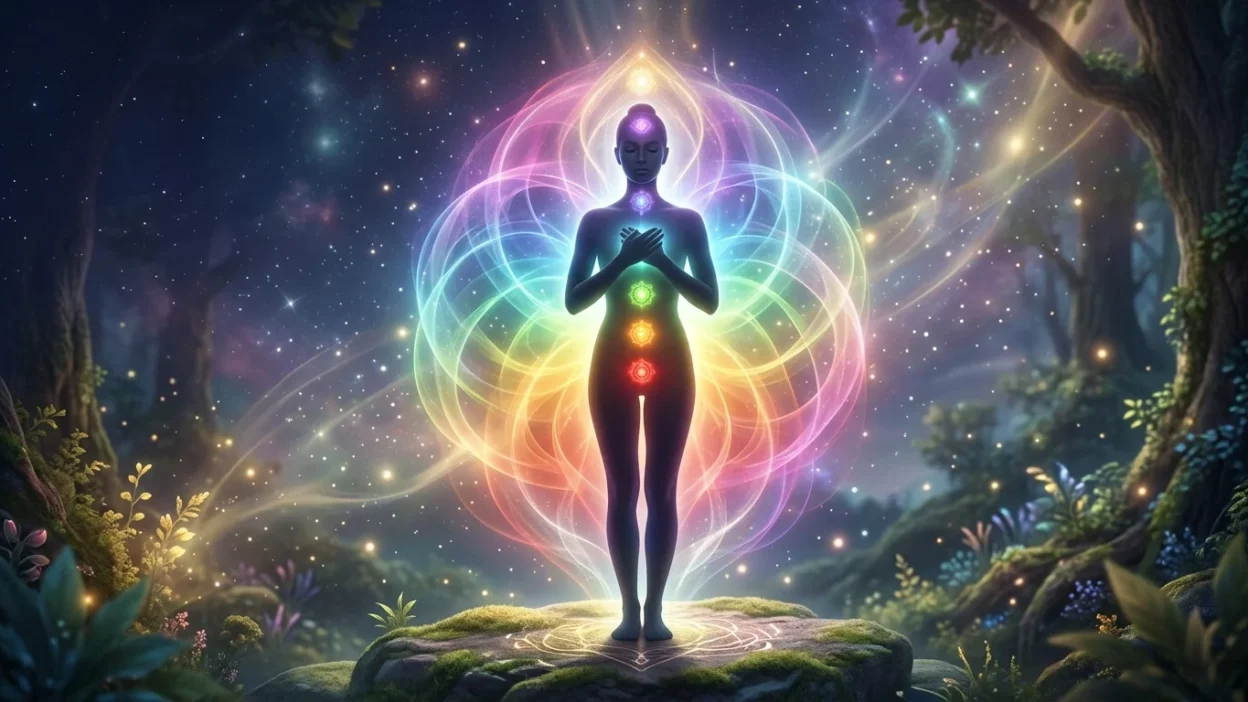
Aura symbolism explores the meanings people associate with the subtle energy or “glow” believed to surround a person. Across spiritual traditions and modern energy practices, auras are often connected with emotions, personality, intuition, healing, and inner balance. While auras are a spiritual concept rather than a scientifically established phenomenon, they remain meaningful to many people as a way of reflecting on their feelings and personal growth.
Understanding aura symbolism can help you explore the common meanings associated with different aura colors, energy fields, and spiritual impressions. If you are curious about your own aura or simply want to understand the symbolism behind it, these interpretations offer a thoughtful way to explore self-awareness and emotional well-being.
1. What Does Aura Symbolism Mean?
Aura symbolism refers to the meanings traditionally associated with an energetic field believed to surround the human body. Different colors and patterns are often interpreted as signs of emotions, personality traits, or spiritual states.
Best for: Understanding the basic idea of aura symbolism.
Alternative: Think of an aura as a symbolic reflection of your inner state.
Examples:
- A bright aura may symbolize vitality and optimism.
- A darker or muted aura may symbolize emotional heaviness or introspection.
2. Aura Symbolism and Spiritual Energy
In spiritual practices, the aura is often viewed as an energy field connected with the body, mind, and spirit. Its symbolism can represent balance, vitality, or personal transformation.
Best for: Exploring spiritual interpretations.
Alternative: Use aura symbolism as a meditation and self-reflection tool.
Examples:
- A calm aura can symbolize inner peace.
- A vibrant aura can symbolize strong spiritual energy.
3. Red Aura Symbolism
Red is commonly associated with passion, courage, strength, physical energy, and determination. In symbolic traditions, it can suggest a strong connection to action and earthly experiences.
Best for: Symbolizing confidence and motivation.
Alternative: Think of red as the color of drive and vitality.
Examples:
- Red may represent someone pursuing an ambitious goal.
- A red aura may symbolize emotional intensity.
4. Orange Aura Symbolism
Orange aura symbolism is often connected with creativity, enthusiasm, joy, and emotional expression. It can represent a playful and adventurous personality.
Best for: Creativity and emotional energy.
Alternative: Use orange symbolism to represent enthusiasm.
Examples:
- An orange aura may symbolize an artistic personality.
- It can represent excitement about a new adventure.
5. Yellow Aura Symbolism
Yellow is frequently associated with happiness, confidence, optimism, intellect, and personal expression. It can symbolize a bright and positive outlook.
Best for: Representing joy and mental clarity.
Alternative: Think of yellow as symbolic sunshine.
Examples:
- A yellow aura may represent an optimistic person.
- It can symbolize confidence during a new beginning.
6. Green Aura Symbolism
Green aura symbolism is commonly linked with healing, compassion, nature, growth, and emotional balance. Green often carries associations with renewal and harmony.
Best for: Healing and personal growth symbolism.
Alternative: Use green to represent emotional restoration.
Examples:
- A green aura may symbolize a caring personality.
- It can represent growth after a difficult experience.
7. Blue Aura Symbolism
Blue is often associated with peace, communication, honesty, intuition, and emotional calm. It can symbolize someone who values thoughtful communication.
Best for: Peace and communication.
Alternative: Think of blue as the symbolism of calm waters.
Examples:
- A blue aura may represent a peaceful personality.
- It can symbolize honest and compassionate communication.
8. Purple Aura Symbolism
Purple aura symbolism is frequently associated with spirituality, intuition, imagination, wisdom, and higher awareness. It is often considered a deeply reflective color.
Best for: Spiritual exploration and intuition.
Alternative: Use purple to symbolize imagination and wisdom.
Examples:
- A purple aura may represent strong intuition.
- It can symbolize interest in spiritual learning.
9. White Aura Symbolism
White is commonly interpreted as a symbol of purity, peace, spiritual awareness, and clarity. Some traditions associate it with a highly peaceful or spiritually focused state.
Best for: Purity and spiritual peace.
Alternative: Think of white as a blank canvas for new beginnings.
Examples:
- A white aura may symbolize peaceful intentions.
- It can represent spiritual clarity.
10. Black Aura Symbolism
Black aura symbolism can have different interpretations. Some spiritual traditions associate it with emotional exhaustion, protection, unresolved feelings, or periods of deep transformation.
Best for: Exploring challenging emotional symbolism.
Alternative: Treat black as a symbol of mystery and transition rather than something automatically negative.
Examples:
- A dark aura may symbolize emotional fatigue.
- It may represent a period of personal transformation.
11. Pink Aura Symbolism
Pink is often associated with love, kindness, tenderness, compassion, and emotional sensitivity. It can symbolize a warm-hearted approach to relationships.
Best for: Love and compassion.
Alternative: Use pink to represent gentle emotional energy.
Examples:
- A pink aura may symbolize a caring friend.
- It can represent openness to affection.
12. Gray Aura Symbolism
Gray aura symbolism is sometimes associated with uncertainty, emotional heaviness, neutrality, or transition. Its meaning depends greatly on the spiritual system being followed.
Best for: Symbolizing uncertainty or transition.
Alternative: View gray as a temporary state rather than a permanent identity.
Examples:
- A gray aura may represent confusion during a major decision.
- It can symbolize emotional withdrawal.
13. Gold Aura Symbolism
Gold is often connected with wisdom, confidence, spiritual awareness, success, and inner strength. It can symbolize something valuable or elevated.
Best for: Wisdom and spiritual confidence.
Alternative: Think of gold as symbolic inner richness.
Examples:
- A gold aura may represent personal confidence.
- It can symbolize spiritual insight gained through experience.
14. Silver Aura Symbolism
Silver aura symbolism is often linked with intuition, sensitivity, imagination, mystery, and spiritual awareness. It may represent receptiveness to subtle experiences.
Best for: Intuition and sensitivity.
Alternative: Use silver to symbolize reflective awareness.
Examples:
- A silver aura may represent an imaginative person.
- It can symbolize heightened self-reflection.
15. Aura Symbolism and Personality
Many aura interpretations connect colors with personality characteristics. However, these interpretations should be treated as symbolic rather than scientific personality tests.
Best for: Personal reflection.
Alternative: Combine aura symbolism with journaling.
Examples:
- Someone may associate yellow with their naturally cheerful personality.
- Another person may connect blue with their calm communication style.
16. Aura Symbolism and Emotions
Aura symbolism is often used to describe emotional states. People may interpret changes in imagined or perceived aura colors as reflections of happiness, stress, sadness, or excitement.
Best for: Exploring emotions.
Alternative: Use colors as prompts for emotional journaling.
Examples:
- Red may inspire reflection on anger or passion.
- Blue may encourage reflection on peace and calm.
17. Aura Symbolism and Chakras
Aura symbolism is sometimes discussed alongside the chakra system. Different chakra colors are used symbolically to describe areas of emotional and spiritual focus.
Best for: Connecting energy symbolism with chakra concepts.
Alternative: Study aura colors and chakra colors separately.
Examples:
- Red is traditionally associated with the root chakra.
- Blue is commonly associated with the throat chakra.
18. Aura Symbolism in Meditation
Meditation can provide a quiet setting for exploring aura symbolism. Rather than trying to prove what an aura means, you can simply notice the colors, feelings, or images that arise in your mind.
Best for: Mindfulness and self-reflection.
Alternative: Try guided visualization.
Examples:
- Imagine a peaceful blue light surrounding you.
- Visualize golden light while focusing on confidence.
19. Aura Symbolism and Protection
Some spiritual traditions interpret certain aura colors or visualizations as protective energy. This is generally a symbolic practice rather than a scientifically proven form of protection.
Best for: Spiritual visualization.
Alternative: Imagine a calm light surrounding you.
Examples:
- Visualize white light before meditation.
- Imagine a blue protective field during stressful moments.
20. Aura Symbolism and Healing
Aura symbolism is often used in spiritual and holistic settings to discuss emotional restoration and balance. It should not replace professional medical care or evidence-based treatment.
Best for: Emotional reflection and spiritual practices.
Alternative: Pair visualization with healthy self-care.
Examples:
- Green light can symbolize renewal.
- Soft pink can represent self-compassion.
21. Aura Symbolism in Relationships
People sometimes use aura colors to symbolically explore relationships, emotional connections, and communication styles. These interpretations can encourage thoughtful conversations.
Best for: Relationship reflection.
Alternative: Focus on real communication and shared experiences.
Examples:
- Blue may symbolize honest communication between partners.
- Pink may represent affection and emotional warmth.
22. Aura Symbolism and Love
Love-related aura symbolism commonly includes pink, red, and sometimes green. Each can represent a different aspect of affection, passion, compassion, or emotional growth.
Best for: Romantic and emotional symbolism.
Alternative: Use colors as creative expressions of love.
Examples:
- Red can symbolize passionate attraction.
- Pink can symbolize gentle affection.
23. Aura Symbolism and Intuition
Purple, indigo, and silver are frequently connected with intuition and inner awareness in modern aura interpretations. They can symbolize looking beyond obvious information.
Best for: Reflecting on intuition.
Alternative: Keep an intuition journal.
Examples:
- Purple may represent spiritual curiosity.
- Silver may symbolize sensitivity to subtle impressions.
24. Aura Symbolism and Creativity
Orange, yellow, purple, and blue can all appear in creative interpretations of aura symbolism. They may represent imagination, inspiration, communication, and artistic expression.
Best for: Artists and creative thinkers.
Alternative: Use aura colors as creative prompts.
Examples:
- Orange can symbolize playful creativity.
- Purple can represent imaginative thinking.
25. Aura Symbolism and Personal Growth
An aura can serve as a metaphor for personal development. Changing colors can symbolically represent changing perspectives, emotional healing, or new stages of life.
Best for: Self-development.
Alternative: Track personal changes through journaling.
Examples:
- Green can represent growth after hardship.
- Gold can symbolize confidence gained through experience.
26. Aura Symbolism in Art and Literature
Artists and writers often use glowing colors, halos, light, and shadows to symbolize personality, spirituality, mystery, or transformation. These visual ideas overlap with modern interpretations of aura symbolism.
Best for: Creative storytelling and visual symbolism.
Alternative: Use color psychology as an additional reference.
Examples:
- A golden glow can symbolize wisdom.
- A blue halo can create a peaceful atmosphere.
27. Aura Symbolism Across Cultures
Ideas about luminous bodies, halos, spiritual radiance, and energy fields appear in different cultural and religious traditions, although they are not all equivalent to the modern concept of an aura.
Best for: Understanding cultural symbolism.
Alternative: Study each tradition within its own historical context.
Examples:
- Halos in religious art can symbolize holiness or sacred status.
- Light imagery can represent spiritual illumination.
28. How to Interpret Aura Colors Responsibly
Aura colors do not have one universal meaning. Their interpretations vary between spiritual traditions, modern practitioners, and personal beliefs.
Best for: Avoiding overly literal interpretations.
Alternative: Treat aura symbolism as a reflective language.
Examples:
- Use blue as a personal symbol of calm.
- Interpret red according to your own emotional associations.
29. How to Use Aura Symbolism in Daily Life
You can use aura symbolism as a simple mindfulness exercise. Choose a color that represents how you want to feel and use it as a visual reminder throughout the day.
Best for: Everyday mindfulness.
Alternative: Create a personal color-and-emotion journal.
Examples:
- Visualize green when seeking balance.
- Imagine yellow when you want to encourage optimism.
30. What Your Aura Symbolism May Teach You
The most useful part of aura symbolism may not be identifying one “correct” color. Instead, it can encourage you to pause, notice your emotions, and think about what you need.
Best for: Self-awareness and reflection.
Alternative: Use meditation, journaling, or mindful breathing.
Examples:
- If you imagine a dark color, ask what feels emotionally heavy.
- If you imagine bright colors, reflect on what currently brings you joy.
FAQs:
1. What is the main meaning of aura symbolism?
Aura symbolism refers to spiritual and personal interpretations of an energy field believed to surround the body. Different colors are commonly associated with emotions, personality traits, and spiritual qualities.
2. What is the most positive aura color?
There is no universally “best” aura color. Different colors symbolize different qualities, and their meanings vary across spiritual traditions.
3. What does a blue aura symbolize?
A blue aura is commonly associated with peace, communication, honesty, emotional calm, intuition, and sensitivity.
4. What does a red aura symbolize?
Red aura symbolism is often connected with passion, courage, physical energy, confidence, determination, and strong emotions.
5. Are auras scientifically proven?
Auras as spiritual energy fields have not been scientifically established. Their meanings are best understood as spiritual, cultural, or personal symbolism rather than medical or scientific fact.
Conclusion
Aura symbolism offers an interesting way to explore color meanings, spiritual energy, emotions, intuition, and personal growth. From passionate red and peaceful blue to healing green and intuitive purple, each color can provide a different symbolic lens for understanding yourself.
The key is to avoid treating aura interpretations as fixed facts. Instead, use them thoughtfully—as prompts for meditation, creativity, emotional reflection, and self-awareness. Your personal associations may ultimately be more meaningful than any single traditional interpretation.