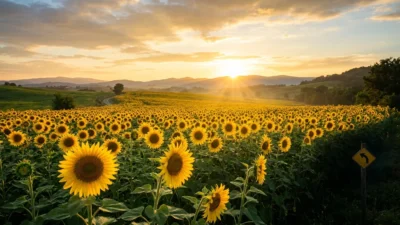
People often discover that green symbolism finds its meaning through nature, the natural world, and everyday experiences, where spring, morning, sunlight, and fresh leaves reveal renewal, growth, and endless possibilities for life.
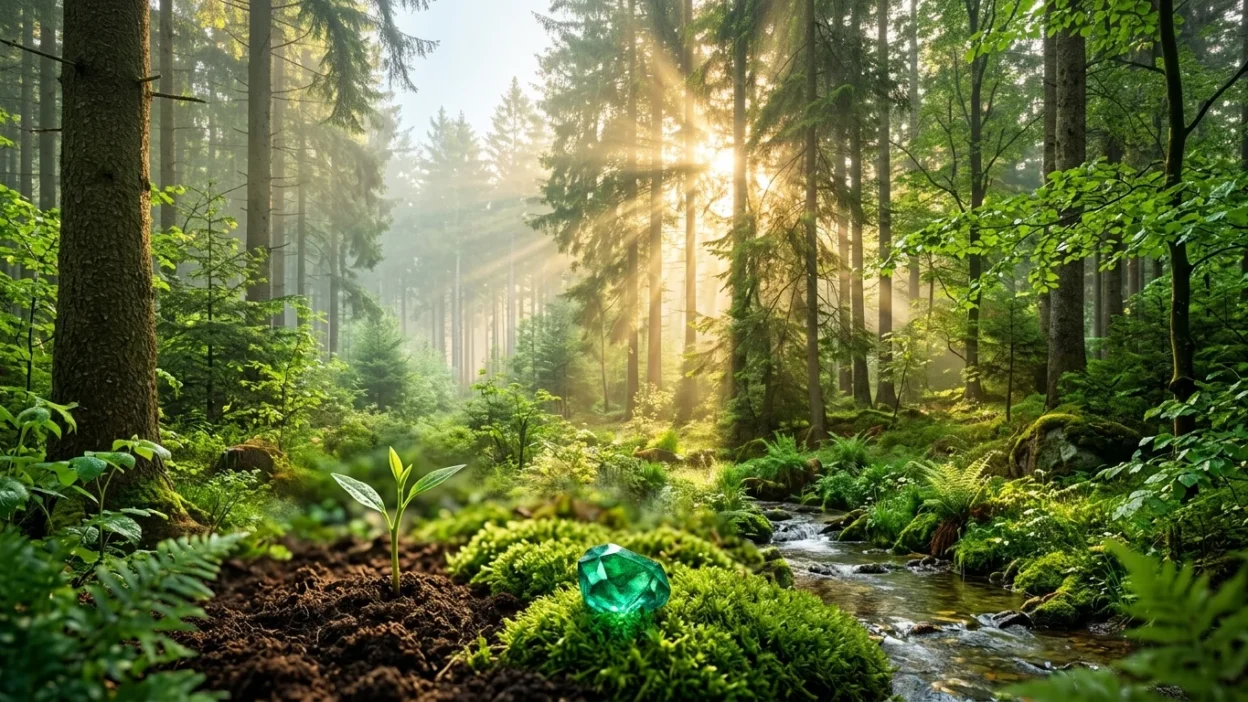
After winter has ended, new grass blades, a first green shoot, and towering pines show how these meanings originate from different sources. This simple truth makes green color symbolism feel universally loved, deeply meaningful, and closely connected with our daily lives.
The common color of forests appears in countless variations, from pale yellow-green to deep forest green. Walking through a misty forest with aromatic air, dark soil, and every sparkle of light always touches my hearts and reminds me why green remains a favorite color.
Many people associate green with a brilliant emerald, precious emerald, or simply an emerald, while others think of money, crisp bills, and a wallet. These familiar images explain why green is the second most popular color after blue, carrying a timeless symbolism whose message stays consistent.
Across growing landscapes, green reflects hope, progress, and environmental consciousness. From my own experience, spending time outdoors strengthens these symbolic connections, making their lasting significance feel natural instead of something that simply needs to be learned.
Green Symbolism Meaning (Clear Definition)
Green symbolism refers to the meanings and emotions connected with the color green. It commonly represents growth, renewal, fertility, health, balance, prosperity, and hope. Because green dominates the natural world, it has become a universal symbol of life, fresh starts, and continuous development.
The symbolic meaning of green often changes depending on cultural and personal perspectives. In many traditions, it reflects peace and healing, while in others it may also symbolize jealousy or envy. Despite these variations, green is overwhelmingly viewed as a positive color linked with progress and harmony.
Common Symbolic Meanings of Green
| Symbol | Meaning |
|---|---|
| Growth | Personal development and progress |
| Nature | Life, forests, plants, and the environment |
| Renewal | Fresh beginnings and transformation |
| Balance | Emotional and mental stability |
| Prosperity | Wealth, abundance, and success |
| Healing | Physical and emotional recovery |
| Hope | Optimism for the future |
| Fertility | New life and productivity |
What Does Green Symbolism Represent?
Green symbolism represents many positive qualities that influence everyday life. It is often connected with healthy living, environmental awareness, emotional balance, and continuous self-improvement.
Some of the most recognized meanings include:
- New beginnings and fresh opportunities
- Personal growth and transformation
- Peace, calmness, and emotional stability
- Financial prosperity and abundance
- Good health and physical wellness
- Fertility and family growth
- Hope during difficult times
- Wisdom gained through experience
- Connection with nature
- Renewal after challenges
Green also represents resilience. Just as plants recover after harsh seasons, the color reminds people that growth often follows adversity.
Spiritual Meaning of Green Symbolism
Spiritually, green symbolizes healing, compassion, renewal, and unconditional love. It is frequently connected with the heart, encouraging kindness, forgiveness, empathy, and emotional balance.
Many spiritual traditions associate green with inner peace and the ability to heal both emotionally and spiritually. Spending time in nature surrounded by green landscapes is often believed to restore energy, reduce stress, and strengthen one’s connection to the natural world.
Green also represents spiritual growth. Just as plants grow toward sunlight, individuals are encouraged to pursue wisdom, self-awareness, and personal transformation.
People often associate green with:
- Heart-centered living
- Emotional healing
- Spiritual awakening
- Harmony with nature
- Compassion and generosity
- Patience and understanding
- Personal renewal
Biblical / Religious Meaning of Green Symbolism
In biblical symbolism, green represents life, hope, blessing, and God’s provision. Green pastures mentioned throughout Scripture symbolize peace, safety, nourishment, and divine care.
The color often reflects flourishing faith and spiritual fruitfulness. Trees with green leaves frequently symbolize righteous individuals whose trust remains firmly rooted in God.
Across many religious traditions, green also signifies:
- Eternal life
- Mercy and compassion
- Divine blessing
- Paradise and abundance
- Spiritual renewal
- Creation and the beauty of nature
In Islam, green holds special significance as a symbol of paradise, mercy, peace, and divine blessings, making it one of the most respected colors in Islamic tradition.
Green Symbolism in History and Culture
Throughout history, green symbolism has evolved across civilizations while maintaining its close relationship with nature and life.
Ancient Egyptians connected green with resurrection, fertility, and regeneration. It represented healthy crops and the promise of life after death.
In ancient Greece and Rome, green symbolized spring, agriculture, and prosperity. It celebrated successful harvests and the renewal of the earth each year.
Many Celtic traditions viewed green as sacred because of its association with forests, natural spirits, and the changing seasons.
In East Asian cultures, green often represents harmony, youth, health, and vitality, although certain shades may carry different cultural meanings depending on the region.
Today, green has become the international color of environmental conservation, sustainability, and eco-friendly living. It represents efforts to protect nature and create a healthier future.
Green Symbolism in Literature and Art
Authors and artists have used green symbolism for centuries to express hope, renewal, ambition, and emotional complexity.
In literature, green landscapes often represent healing, freedom, innocence, and new beginnings. Writers also use green to symbolize envy or desire when exploring human emotions.
Painters frequently include green to create feelings of peace, natural beauty, and balance. Forests, gardens, and meadows communicate tranquility while emphasizing humanity’s relationship with nature.
Modern artists continue using green to represent environmental responsibility, sustainable living, and the importance of preserving the natural world.
Green remains one of the most emotionally versatile colors in creative expression because it can symbolize both external beauty and internal transformation.
Dream Meaning of Green Symbolism
Seeing green in dreams usually carries positive interpretations. It often suggests emotional healing, personal growth, financial improvement, or the beginning of a new chapter in life.
The exact meaning depends on the dream’s context.
Dreams involving healthy green plants may symbolize success, recovery, and opportunity. Walking through green fields often reflects peace, hope, and confidence about the future.
If green appears faded or unhealthy, it may suggest delayed growth, emotional exhaustion, or neglected goals that require renewed attention.
Common dream interpretations include:
- Green trees represent strength and stability.
- Green grass symbolizes peace and contentment.
- Green leaves indicate growth and opportunity.
- Green light suggests permission to move forward.
- Emerald green often represents prosperity and wisdom.
Overall, green dreams encourage optimism, healing, and forward progress.
Modern Meaning of Green Symbolism
Today, green symbolism extends beyond nature into business, technology, wellness, and global culture.
Green has become closely associated with environmental protection, renewable energy, organic living, and sustainable development. Many companies use green branding to communicate responsibility, health, and trustworthiness.
In psychology, green promotes relaxation, concentration, and emotional balance. Hospitals, schools, and workplaces frequently incorporate green to create calm, productive environments.
Modern meanings of green include:
- Environmental awareness
- Sustainable living
- Organic products
- Financial growth
- Innovation
- Wellness and mindfulness
- Emotional balance
- Healthy lifestyles
- Eco-friendly technology
- Positive change
Although green generally conveys positive emotions, darker shades may occasionally symbolize greed or jealousy depending on the context.
FAQs:
What does green symbolism mean?
Green symbolism primarily represents growth, renewal, nature, healing, prosperity, hope, and emotional balance. It is one of the world’s most universally positive symbolic colors.
Why is green associated with nature?
Green dominates the natural environment through trees, plants, grass, and forests. Because of this, people naturally connect it with life, renewal, health, and ecological balance.
What is the spiritual meaning of green?
Spiritually, green symbolizes healing, compassion, emotional renewal, inner peace, and growth. It also reflects the heart’s ability to love, forgive, and develop wisdom.
What does green symbolize in dreams?
Green dreams often represent personal growth, recovery, abundance, hope, and positive life changes. Healthy green scenery usually indicates emotional or spiritual progress.
Can green have negative symbolism?
Yes. Although mostly positive, green can sometimes symbolize envy, jealousy, greed, or immaturity depending on the cultural context and situation.
Conclusion
Green symbolism reminds us that life is constantly growing, changing, and renewing itself. If representing hope, healing, prosperity, balance, or a deeper connection with nature, green continues to inspire people across cultures and generations. Its timeless message encourages personal growth, compassion, resilience, and optimism, making green one of the most meaningful and universally appreciated symbolic colors.

Julian Carter is a writer, poet, and scholar whose work explores culture, identity, history, and human connection. Through thoughtful storytelling and creative insight, he inspires readers to reflect on relationships, memory, and personal transformation.