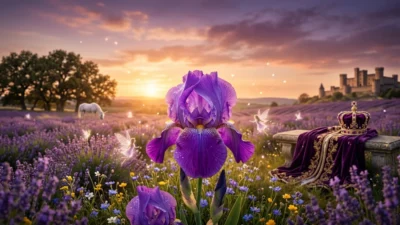

Blue symbolism shows how every shade of blue holds a special meaning, connecting blue meaning, blue color meaning, and blue color symbolism with nature.
Whenever I stand at the edge of an endless ocean on a cloudless day, the wide sky, gentle waves, peaceful waters, navy waters, and quiet shore remind me that true visual beauty can calm the mind, body, and spirit. The view feels profound, filled with quiet magic, and simply experiencing it makes the moment seem to stretch infinitely. Watching the waves roll hypnotically, I see how every changing shade creates a new part of the same timeless story.
The pale, icy sparkle of aquamarine, the deep, mysterious depths of navy, the cheerful brightness of turquoise, and the rare brilliance of sapphire each bring a different feeling to blue symbolism. In my experience, every shade carries its own message, yet all of them are connected by the same sense of peace that comes from nature.
The truth is that this symbolism can be found in many places, where it may emerge through uniforms worn by dedicated people who stand for safety and protection, or through the calm, serene, powerful, and commanding beauty of the natural world. We are surrounded by countless shades of blue, and every one adds another meaningful chapter to its lasting story.
Blue Symbolism Meaning (Clear Definition)
Blue symbolism refers to the meanings and emotions commonly associated with the color blue. It is widely recognized as a symbol of tranquility, honesty, intelligence, stability, and spiritual awareness. Because blue is found in nature through the sky and oceans, it often represents openness, freedom, and endless possibilities.
In many traditions, blue encourages clear thinking, emotional balance, and inner peace. It is also linked with communication, confidence, and truth, making it one of the most trusted symbolic colors.
Summary of Blue Symbolism
| Symbolic Meaning | What It Represents |
|---|---|
| Peace | Calmness and relaxation |
| Trust | Honesty, loyalty, and reliability |
| Wisdom | Knowledge and thoughtful decisions |
| Spirituality | Inner awareness and higher consciousness |
| Freedom | Open skies and limitless opportunities |
| Stability | Security and emotional balance |
| Hope | Optimism and positive outlook |
What Does Blue Symbolism Represent?
Blue symbolism represents many positive qualities that influence both emotions and behavior. It is commonly connected with qualities that encourage harmony and confidence.
Some of the most recognized meanings include:
- Peace and serenity
- Trust and loyalty
- Wisdom and intelligence
- Emotional healing
- Truth and honesty
- Stability and security
- Confidence and responsibility
Because blue has a naturally calming effect, it is frequently used in environments designed to reduce stress and improve focus. Many businesses also use blue in branding because it communicates professionalism and dependability.
Spiritual Meaning of Blue Symbolism
Spiritually, blue symbolizes inner peace, divine guidance, and spiritual wisdom. Many spiritual traditions associate blue with higher consciousness and honest communication. It encourages people to look inward, strengthen their intuition, and seek emotional clarity.
Blue is often connected with meditation because it promotes relaxation and quiet reflection. It reminds individuals to remain patient, truthful, and open-minded while pursuing personal growth.
Many believe blue also symbolizes:
- Divine protection
- Inner healing
- Faith and trust
- Mental clarity
- Spiritual awakening
- Emotional harmony
Biblical / Religious Meaning of Blue Symbolism
In the Bible, blue carries deep spiritual significance. It often represents heaven, God’s presence, holiness, and obedience. Blue garments and fabrics were used in sacred worship to remind believers of God’s commandments and divine authority.
Across several religious traditions, blue is viewed as a color of purity, faithfulness, and spiritual devotion. It reflects hope, truth, and the desire to remain connected with divine wisdom.
Religious symbolism commonly associates blue with:
- Heavenly authority
- Faithfulness
- Holiness
- Truth
- Divine protection
- Spiritual commitment
Blue Symbolism in History and Culture
Throughout history, blue has held different meanings across civilizations while consistently representing importance and respect.
Ancient Egyptians valued blue as a symbol of protection, life, and the heavens. In medieval Europe, blue became associated with royalty, honor, and religious devotion because blue pigments were rare and valuable. In many Asian cultures, blue represents immortality, healing, and harmony, while Native traditions often connect blue with wisdom, water, and the sky.
Today, blue remains one of the world’s most universally appreciated colors because it symbolizes reliability, peace, and stability across many societies.
Blue Symbolism in Literature and Art
Writers and artists frequently use blue to express emotion, imagination, and reflection. Depending on the context, blue can communicate both peacefulness and melancholy.
In literature, blue often symbolizes:
- Emotional depth
- Longing
- Wisdom
- Hope
- Reflection
- Mystery
In visual art, blue creates a sense of distance, tranquility, and spiritual beauty. It is commonly used to represent skies, oceans, dreams, and moments of quiet contemplation.
Dream Meaning of Blue Symbolism
Dreaming about blue often reflects emotional balance, healing, or the search for truth. The exact interpretation depends on the dream’s setting and emotional atmosphere.
Common dream interpretations include:
- Bright blue skies symbolize hope and freedom.
- Calm blue water represents emotional peace.
- Dark blue may suggest deep thinking or hidden emotions.
- Blue clothing often symbolizes honesty and personal confidence.
- Blue light may indicate spiritual guidance or inner wisdom.
Overall, blue dreams generally encourage emotional clarity and personal growth.
Modern Meaning of Blue Symbolism
In today’s world, blue symbolizes professionalism, technology, trust, and emotional wellness. It remains one of the most popular colors in branding because it communicates reliability and confidence.
Modern blue symbolism also represents:
- Professional success
- Digital innovation
- Calm leadership
- Mental wellness
- Responsibility
- Clear communication
- Confidence
Blue is widely used in workplaces, healthcare settings, educational institutions, and digital platforms because it creates feelings of safety and stability.
FAQs:
What does blue symbolize the most?
Blue most commonly symbolizes peace, trust, wisdom, loyalty, and emotional stability. It is widely associated with calmness and reliability.
Is blue a spiritual color?
Yes. Blue is often viewed as a spiritual color representing inner peace, divine guidance, truth, and higher awareness across many traditions.
What does blue mean in dreams?
Blue dreams usually symbolize emotional healing, clarity, hope, wisdom, or spiritual growth, depending on the dream’s details.
Why is blue associated with trust?
Blue creates feelings of security, honesty, and dependability, which is why many organizations use it to build confidence and credibility.
What emotions does the color blue represent?
Blue commonly represents calmness, confidence, reflection, peace, hope, loyalty, and emotional balance, although darker shades may sometimes suggest sadness or deep contemplation.
Conclusion
Blue symbolism continues to inspire people through its powerful connection to peace, wisdom, trust, and spiritual growth. From ancient traditions to modern life, the color blue reminds us to seek truth, remain calm during challenges, and embrace emotional balance. Its timeless meaning makes blue one of the most meaningful and universally respected symbolic colors.

Julian Carter is a writer, poet, and scholar whose work explores culture, identity, history, and human connection. Through thoughtful storytelling and creative insight, he inspires readers to reflect on relationships, memory, and personal transformation.