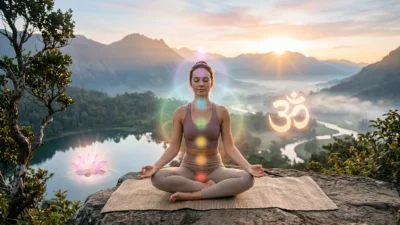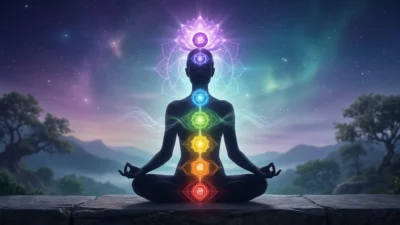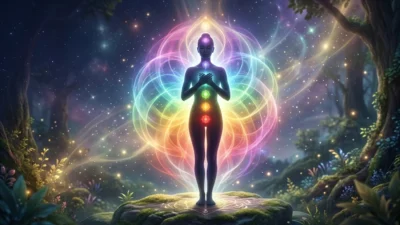
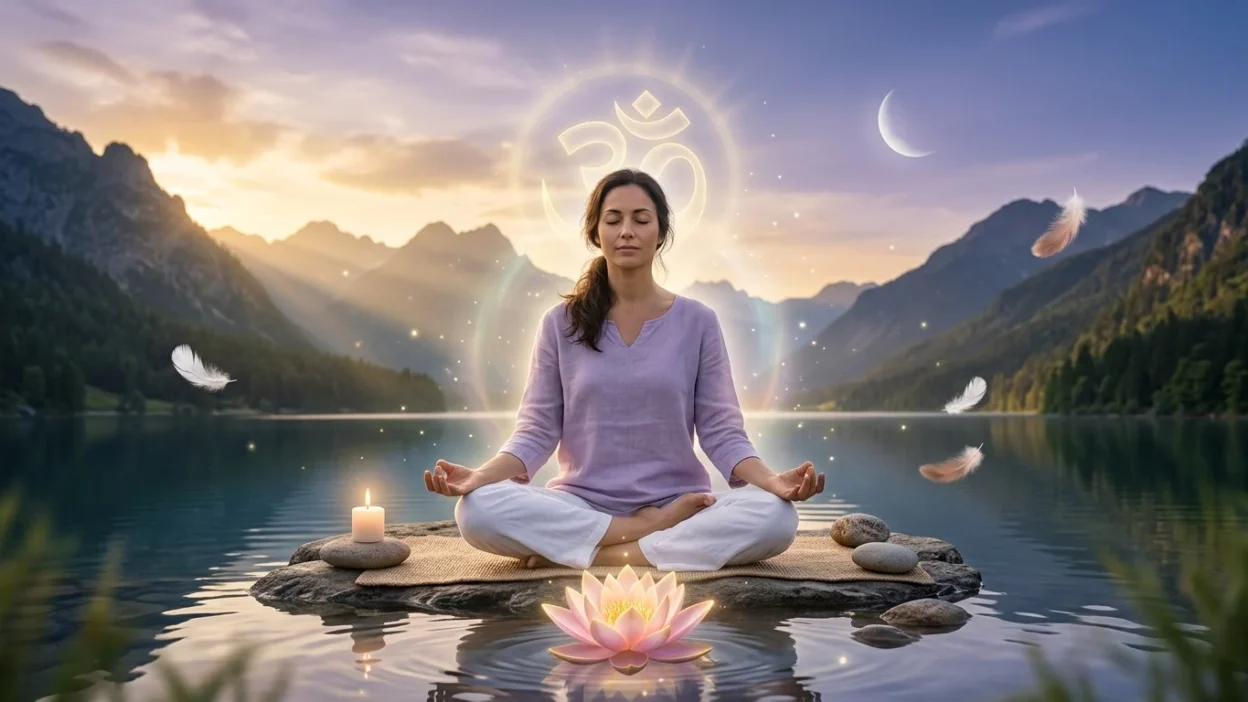
Meditation symbolism refers to the images, objects, colors, gestures, and experiences people associate with meditation, inner peace, mindfulness, and spiritual awareness. From a lotus flower and candle flame to circles, mountains, and peaceful water, these symbols can represent different aspects of the meditation journey.
Understanding meditation symbolism can make your practice feel more meaningful. If you are exploring mindfulness, spiritual meditation, visualization, or simply looking for greater calm, these symbols can serve as gentle reminders of balance, awareness, patience, and personal growth.
1. Lotus Flower Symbolism in Meditation
The lotus is one of the most recognized meditation symbols. Because it grows from muddy water and opens into a beautiful flower, it often represents spiritual growth, purity, and awakening.
Best for: Personal growth and spiritual awakening.
Alternative: A blooming flower or water lily.
Examples:
- Visualizing a lotus opening during meditation.
- Using a lotus image as a meditation-room decoration.
2. Candle Flame as a Meditation Symbol
A candle flame represents focus, clarity, warmth, and inner light. Watching a steady flame can also become a simple concentration practice.
Best for: Improving focus and mindfulness.
Alternative: A small lamp or soft light.
Examples:
- Gazing gently at a candle before meditation.
- Imagining an inner flame becoming brighter with each breath.
3. Mountain Symbolism in Meditation
Mountains symbolize stability, strength, patience, and stillness. They remind meditators to remain grounded even when emotions and thoughts change.
Best for: Grounding and emotional stability.
Alternative: A strong tree or peaceful rock.
Examples:
- Imagining yourself sitting like a mountain.
- Using a mountain image during visualization meditation.
4. Water Symbolism and Inner Peace
Water commonly represents emotional flow, cleansing, adaptability, and peace. Calm water can symbolize a quiet mind.
Best for: Emotional relaxation.
Alternative: Rain or a gentle stream.
Examples:
- Visualizing a peaceful lake while breathing slowly.
- Listening to soft water sounds during mindfulness practice.
5. Circle Symbolism in Meditation
A circle can represent wholeness, unity, cycles, and completeness. Its continuous shape can remind us that meditation is an ongoing journey.
Best for: Balance and self-awareness.
Alternative: A mandala.
Examples:
- Meditating with a simple circular pattern.
- Drawing a circle as part of a mindfulness journal exercise.
6. Mandala Symbolism in Meditation
Mandalas often symbolize harmony, balance, and the relationship between the inner and outer worlds. Their repeating patterns can encourage concentration.
Best for: Focus and contemplative practice.
Alternative: Geometric patterns.
Examples:
- Coloring a mandala mindfully.
- Focusing on its center during meditation.
7. Om Symbolism in Meditation
The Om symbol is strongly associated with Hindu and Buddhist traditions and is used in various spiritual practices. It can represent sacred sound, consciousness, and spiritual connection.
Best for: Spiritual meditation and mantra practice.
Alternative: A personally meaningful mantra.
Examples:
- Repeating Om quietly during meditation.
- Using the Om symbol as a visual reminder of mindfulness.
8. Buddha Symbolism in Meditation
Images of the Buddha are often associated with wisdom, compassion, calmness, and awakening. The seated meditation posture can also symbolize disciplined inner practice.
Best for: Contemplation and spiritual reflection.
Alternative: A peaceful human figure.
Examples:
- Keeping a respectful Buddha image in a meditation space.
- Reflecting on qualities such as compassion and patience.
9. Zen Circle Symbolism
The Zen circle, or ensō, is commonly associated with simplicity, presence, and acceptance. Its imperfect form can remind us that life does not need to be perfectly controlled.
Best for: Acceptance and simplicity.
Alternative: A hand-drawn circle.
Examples:
- Drawing an ensō before journaling.
- Reflecting on imperfection during meditation.
10. Breath as a Symbol of Life
The breath is more than a meditation technique. Symbolically, it can represent life, renewal, presence, and connection with the current moment.
Best for: Mindfulness and stress reduction.
Alternative: Awareness of body sensations.
Examples:
- Counting ten slow breaths.
- Noticing the natural movement of the chest.
11. Heart Symbolism in Meditation
The heart can symbolize compassion, love, kindness, and emotional openness. Loving-kindness meditation often uses these qualities as its central focus.
Best for: Compassion and emotional healing.
Alternative: A soft light around the chest.
Examples:
- Sending kind thoughts toward yourself.
- Practicing compassion toward someone you find difficult.
12. Tree Symbolism in Meditation
Trees represent grounding, growth, connection, and resilience. Their roots can symbolize stability while their branches suggest expansion.
Best for: Grounding visualization.
Alternative: Mountain imagery.
Examples:
- Imagining roots extending from your feet into the earth.
- Visualizing yourself as a calm, strong tree.
13. Sun Symbolism in Meditation
The sun often represents light, energy, clarity, optimism, and awareness. It can be used as a visualization for developing inner confidence.
Best for: Positive visualization.
Alternative: Golden light.
Examples:
- Imagining warm sunlight surrounding your body.
- Visualizing sunlight replacing feelings of heaviness.
14. Moon Symbolism in Meditation
The moon is associated with reflection, cycles, intuition, stillness, and quiet awareness. Its changing phases can symbolize personal transformation.
Best for: Evening meditation and reflection.
Alternative: Stars or nighttime imagery.
Examples:
- Meditating while reflecting on the moon’s phases.
- Using moon imagery in a bedtime mindfulness routine.
15. Star Symbolism and Inner Guidance
Stars can symbolize hope, direction, inspiration, and spiritual guidance. Looking toward a symbolic star can encourage a sense of purpose.
Best for: Intention setting.
Alternative: A guiding light.
Examples:
- Visualizing one bright star during meditation.
- Connecting the star with a personal goal.
16. Feather Symbolism in Meditation
A feather can represent lightness, freedom, peace, and letting go. It can serve as a reminder not to hold tightly to every thought.
Best for: Releasing emotional tension.
Alternative: A falling leaf.
Examples:
- Imagining worries floating away like feathers.
- Keeping a feather near a meditation cushion as a visual reminder.
17. Butterfly Symbolism and Transformation
Butterflies symbolize transformation, change, growth, and renewal. In meditation, this symbolism can encourage acceptance of personal development.
Best for: Life transitions.
Alternative: A seed becoming a flower.
Examples:
- Visualizing yourself moving from a difficult stage toward growth.
- Reflecting on how your mindset has changed over time.
18. Stone Symbolism and Grounding
A stone can symbolize stability, strength, simplicity, and grounded awareness. Its physical weight can provide a tangible reminder to stay present.
Best for: Grounding practices.
Alternative: A crystal or natural object.
Examples:
- Holding a smooth stone during mindful breathing.
- Placing a stone beside your meditation cushion.
19. Bell Symbolism in Meditation
A meditation bell can symbolize the beginning and ending of mindful awareness. Its sound encourages you to pause and return to the present.
Best for: Creating a meditation routine.
Alternative: A soft chime or timer.
Examples:
- Ringing a bell before beginning meditation.
- Listening carefully until the sound disappears.
20. Silence as a Meditation Symbol
Silence represents stillness, listening, reflection, and freedom from unnecessary stimulation. It creates space to notice thoughts without immediately reacting to them.
Best for: Deep reflection.
Alternative: Very soft ambient sounds.
Examples:
- Sitting silently for five minutes each morning.
- Taking a quiet break without checking your phone.
21. Light Symbolism in Meditation
Light often represents awareness, clarity, hope, and understanding. Visualization practices may use light as a metaphor for becoming more conscious.
Best for: Visualization and positive reflection.
Alternative: Candlelight or sunlight.
Examples:
- Imagining a gentle light moving through the body.
- Visualizing light surrounding a stressful thought.
22. Darkness Symbolism in Meditation
Darkness does not always represent something negative. In contemplative practice, it can symbolize mystery, rest, the unknown, and turning attention inward.
Best for: Quiet introspection.
Alternative: Closed-eye meditation.
Examples:
- Sitting comfortably in a dim room.
- Observing thoughts without trying to force answers.
23. Spiral Symbolism and Inner Journey
A spiral can represent cycles, movement, evolution, and an inward journey. It can be a useful visual metaphor for exploring layers of thought and awareness.
Best for: Self-reflection.
Alternative: A winding path.
Examples:
- Visualizing a spiral while practicing deep breathing.
- Drawing a spiral and writing reflections around it.
24. Path Symbolism in Meditation
A path represents the journey toward greater awareness. It reminds us that meditation is not about reaching instant perfection.
Best for: Long-term mindfulness practice.
Alternative: A staircase or bridge.
Examples:
- Imagining yourself walking peacefully along a path.
- Reflecting on small improvements in your daily practice.
25. Bridge Symbolism and Connection
A bridge can symbolize connection between the mind and body, past and present, or confusion and clarity.
Best for: Emotional integration.
Alternative: A doorway.
Examples:
- Visualizing a bridge between difficult emotions and acceptance.
- Using bridge imagery when reflecting on personal change.
26. Eye Symbolism and Awareness
The eye can represent observation, attention, insight, and awareness. In mindfulness, it can remind us to observe experiences without immediately judging them.
Best for: Developing mindful observation.
Alternative: A calm gaze or open sky.
Examples:
- Noticing thoughts as an observer rather than reacting to them.
- Using an eye symbol in a mindfulness journal.
27. Sky Symbolism and Mental Freedom
The open sky can represent spaciousness, freedom, and the ability to let thoughts come and go. Clouds can symbolize temporary thoughts and emotions.
Best for: Reducing attachment to thoughts.
Alternative: Open water.
Examples:
- Imagining thoughts drifting across a blue sky.
- Watching real clouds while practicing mindful awareness.
28. Empty Space as a Symbol of Stillness
Empty space can represent possibility, peace, simplicity, and mental openness. Meditation does not require eliminating every thought; it can involve creating space around thoughts.
Best for: Beginners learning non-attachment.
Alternative: A blank page.
Examples:
- Sitting quietly and allowing thoughts to pass.
- Leaving a blank section in a meditation journal for reflection.
29. The Meditation Cushion as a Symbol
A meditation cushion can become a practical symbol of commitment and intentional living. Returning to the same place can help establish a consistent practice.
Best for: Building meditation habits.
Alternative: A comfortable chair or quiet corner.
Examples:
- Using one cushion for daily meditation.
- Placing it in a peaceful, uncluttered area.
30. The Journey Within
Perhaps the most meaningful meditation symbol is the inward journey itself. Meditation can symbolize self-discovery, acceptance, awareness, and the gradual development of inner peace.
Best for: Personal reflection and spiritual growth.
Alternative: A path, mirror, or open doorway.
Examples:
- Spending ten minutes each day observing your thoughts.
- Writing down one insight after each meditation session.
FAQs:
1. What does meditation symbolize?
Meditation commonly symbolizes inner peace, awareness, balance, self-reflection, spiritual growth, and mindfulness. Different traditions may give particular symbols additional meanings.
2. What is the most common symbol of meditation?
The lotus flower, meditation posture, Om symbol, Buddha imagery, candle flame, and mandala are among the symbols commonly associated with meditation and contemplative practices.
3. What does the lotus symbolize in meditation?
The lotus often represents purity, transformation, resilience, spiritual growth, and awakening because it grows from muddy water before opening above the surface.
4. Can meditation symbols have different meanings?
Yes. Symbolic meanings can vary according to religion, culture, personal experience, and meditation tradition. A symbol that represents peace for one person may represent something different to another.
5. How can I use meditation symbolism in my practice?
Choose a symbol that feels meaningful to you. You might visualize it, place an image nearby, use it in journaling, or simply reflect on its meaning before meditation.
Conclusion
Meditation symbolism gives visual and emotional meaning to the practice of mindfulness and inner reflection. From the lotus and mountain to the candle flame, moon, water, and open sky, these symbols can help express qualities such as peace, awareness, stability, transformation, and compassion.
You do not need to follow every symbolic tradition to benefit from meditation. Choose one image or idea that genuinely resonates with you, use it as a gentle point of focus, and allow your understanding to develop naturally through practice.

Julian Carter is a writer, poet, and scholar whose work explores culture, identity, history, and human connection. Through thoughtful storytelling and creative insight, he inspires readers to reflect on relationships, memory, and personal transformation.