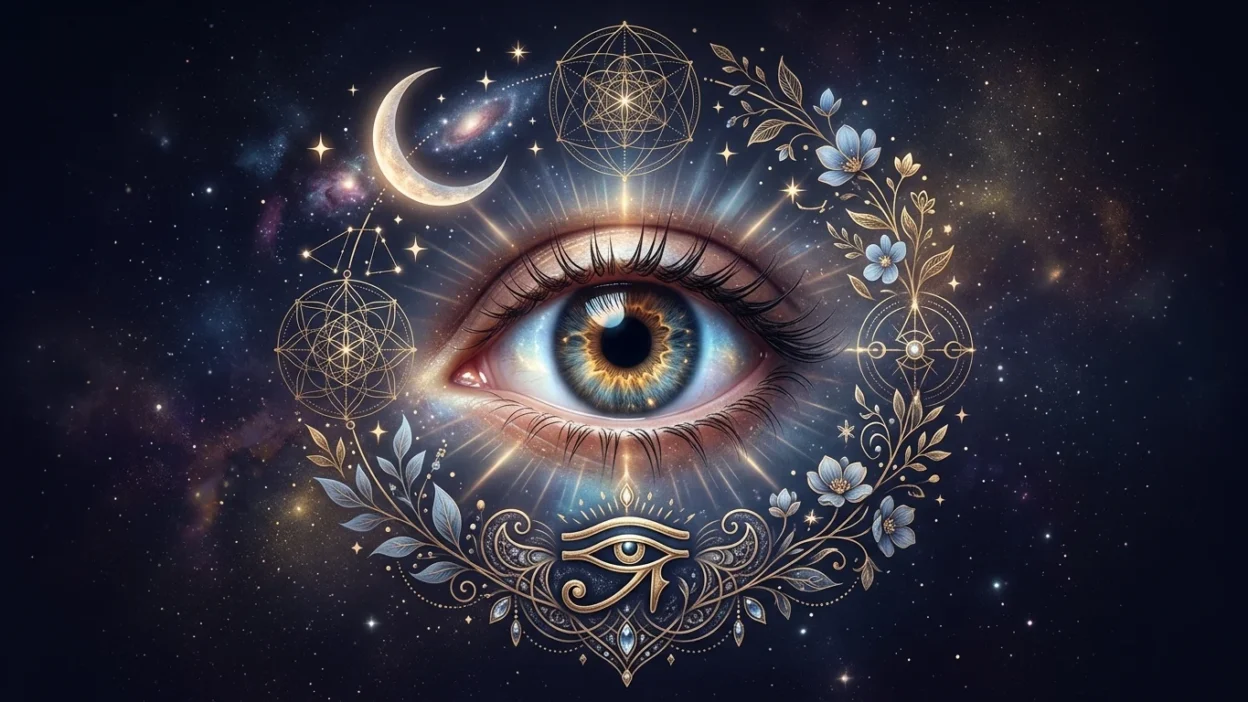
Eyes have fascinated people for thousands of years. They are often described as windows to the soul because they can communicate emotion, awareness, truth, intuition, and connection without saying a word. Eye symbolism explores the deeper meanings attached to eyes in dreams, art, religion, culture, literature, jewelry, tattoos, and everyday life.
The meaning of an eye can change depending on its color, expression, setting, and cultural context. An eye may represent protection and wisdom in one tradition, while in another it can symbolize mystery, observation, spiritual awareness, or even danger. Understanding these different interpretations can help you appreciate why the eye remains one of the most powerful symbols across human history.
1. Eye Symbolism and Awareness
The eye commonly represents awareness because seeing is closely connected with understanding. An open eye can suggest that someone is paying attention, noticing hidden details, or becoming more conscious of themselves and their surroundings.
Best for: Personal growth, mindfulness, and self-awareness.
Alternative: Use the eye as a symbol of observation or consciousness.
Examples:
- An open eye in artwork can represent awakening to a new truth.
- An eye tattoo may symbolize staying aware of life’s important lessons.
2. Eye Symbolism and Wisdom
Eyes are frequently associated with wisdom because they are connected with observation and experience. Someone who has “seen much” is often considered knowledgeable and insightful.
Best for: Wisdom, maturity, learning, and experience.
Alternative: A wise owl or ancient tree can communicate a similar meaning.
Examples:
- An older person’s eyes may symbolize a lifetime of experience.
- An artistic eye surrounded by books can represent knowledge and learning.
3. Eye Symbolism and Protection
The eye can symbolize protection because watching and seeing are natural metaphors for guarding something valuable. Protective eye symbols appear in many cultural and spiritual traditions.
Best for: Safety, guardianship, and spiritual protection.
Alternative: A shield, guardian figure, or protective charm.
Examples:
- An eye charm may be worn as a reminder of protection.
- An eye above a doorway can symbolize watchfulness over a home.
4. Eye Symbolism and Truth
Eyes are often linked with truth because people commonly associate direct eye contact with honesty and sincerity. “Looking someone in the eye” has become a powerful expression of trust.
Best for: Honesty, authenticity, and transparency.
Alternative: A mirror can also represent truth and self-reflection.
Examples:
- A clear eye in a painting can symbolize honesty.
- Two people making eye contact can represent genuine trust.
5. Eye Symbolism and Intuition
The eye can represent intuition, especially when it is shown as seeing beyond ordinary appearances. In symbolic art, an eye may suggest an inner ability to recognize what cannot immediately be explained.
Best for: Intuition, inner guidance, and instinct.
Alternative: A moon, star, or third-eye symbol.
Examples:
- A glowing eye can represent trusting your instincts.
- An eye surrounded by stars can symbolize spiritual intuition.
6. Eye Symbolism and the Soul
Many traditions connect the eyes with the inner self or soul. Because emotions can often be noticed through someone’s eyes, they are frequently viewed as a reflection of one’s deepest feelings.
Best for: Spiritual identity and emotional depth.
Alternative: A heart or mirror may represent the inner self.
Examples:
- A pair of expressive eyes can symbolize the depth of the human spirit.
- An eye surrounded by light can represent spiritual awakening.
7. Eye Symbolism and Spiritual Awakening
An open or illuminated eye can represent awakening to a deeper understanding of life. This interpretation is especially common in spiritual artwork and modern symbolic designs.
Best for: Transformation, consciousness, and personal awakening.
Alternative: A rising sun or blooming flower.
Examples:
- A third eye opening can symbolize expanded awareness.
- Light shining from an eye can represent discovering a new perspective.
8. Eye Symbolism and the Third Eye
The third eye is one of the best-known forms of spiritual eye symbolism. It is commonly associated with intuition, insight, inner perception, and awareness beyond ordinary physical sight.
Best for: Meditation, spirituality, intuition, and inner knowledge.
Alternative: A lotus or radiant sun.
Examples:
- A third-eye design on the forehead can symbolize inner vision.
- A third eye surrounded by geometric patterns can represent spiritual exploration.
9. Eye Symbolism in Dreams
Dreams about eyes can have many possible interpretations. Depending on the dream, an eye may represent observation, vulnerability, curiosity, fear, insight, or the feeling of being watched.
Best for: Dream interpretation and personal reflection.
Alternative: Focus on the emotions experienced during the dream.
Examples:
- Dreaming of a bright eye may suggest awareness or discovery.
- Dreaming that someone is watching you may reflect feelings of vulnerability.
10. Eye Symbolism in Ancient Cultures
Eyes have appeared in ancient art, religious objects, architecture, and protective symbols for centuries. Their meanings varied, but protection, divine observation, power, and spiritual awareness were common themes.
Best for: Historical and cultural research.
Alternative: Study eye symbols alongside the mythology of their culture.
Examples:
- Ancient Egyptian art frequently used powerful eye imagery.
- Eye motifs appeared on objects intended to communicate protection and spiritual significance.
11. Eye Symbolism in Ancient Egypt
Ancient Egyptian eye symbolism is especially famous. The Eye of Horus became associated with protection, healing, restoration, and well-being, making it one of the most recognizable ancient symbols.
Best for: Protection, healing symbolism, and Egyptian-inspired art.
Alternative: Egyptian scarab symbolism can also represent protection and renewal.
Examples:
- An Eye of Horus design may symbolize protection.
- Egyptian-inspired jewelry may use the eye to connect with ancient symbolism.
12. Eye Symbolism and the Eye of Providence
The Eye of Providence is traditionally depicted as an eye surrounded by rays of light and sometimes enclosed within a triangle. It is commonly interpreted as representing divine providence or God’s watchful presence.
Best for: Religious symbolism and divine observation.
Alternative: A radiant eye without the triangle can communicate a broader spiritual meaning.
Examples:
- An eye within a triangle may symbolize divine guidance.
- Religious artwork may use a radiant eye to represent a higher power watching over humanity.
13. Eye Symbolism in Christianity
Within Christian symbolism, eyes can represent divine knowledge, spiritual sight, watchfulness, and God’s awareness of human actions. Biblical references to sight also contribute to the symbolic importance of eyes.
Best for: Faith, spiritual awareness, and religious artwork.
Alternative: A cross or dove may communicate Christian themes more directly.
Examples:
- An eye surrounded by light can symbolize God’s presence.
- Artistic depictions of spiritual sight can represent faith and understanding.
14. Eye Symbolism in Hindu Traditions
Eye imagery can have important spiritual associations in Hindu traditions, particularly through concepts involving divine vision and the third eye. The third eye is often connected with deeper perception and spiritual knowledge.
Best for: Spirituality, meditation, and inner awareness.
Alternative: Lotus symbolism can represent spiritual growth and purity.
Examples:
- A third-eye design can represent deeper consciousness.
- A deity depicted with a third eye can symbolize extraordinary spiritual perception.
15. Eye Symbolism and the Evil Eye
The evil eye is a widespread cultural concept involving the belief that a harmful gaze can bring misfortune, envy, or negative influence. Protective eye symbols are consequently used in many traditions as a form of symbolic defense.
Best for: Understanding protective charms and cultural symbolism.
Alternative: Other protective symbols can express safety without the evil-eye association.
Examples:
- A blue eye charm is often used as a protective symbol.
- An evil-eye motif in jewelry can represent protection from negative intentions.
16. Eye Symbolism and Watchfulness
An eye that appears to be constantly observing can represent vigilance. It suggests paying attention, staying prepared, and noticing what others might overlook.
Best for: Vigilance, responsibility, and awareness.
Alternative: A lighthouse or watchtower can symbolize watchfulness.
Examples:
- An eye above a gate can represent constant observation.
- A watchful eye in a logo can suggest security.
17. Eye Symbolism and Mystery
Eyes can be mysterious because they reveal something while simultaneously hiding much of a person’s inner world. A partially covered eye can create a sense of secrecy and intrigue.
Best for: Mystery, curiosity, and artistic expression.
Alternative: A mask or shadow can create a similar mysterious feeling.
Examples:
- A single eye emerging from darkness can suggest hidden knowledge.
- A partially veiled eye can symbolize secrets waiting to be discovered.
18. Eye Symbolism and Emotion
Eyes can communicate happiness, sadness, anger, fear, love, and compassion. Because of this, eye imagery often becomes a powerful way to represent emotional experiences.
Best for: Emotional artwork and storytelling.
Alternative: Facial expressions or heart imagery can communicate emotion directly.
Examples:
- Tear-filled eyes can symbolize grief or emotional release.
- Warm, smiling eyes can represent affection and kindness.
19. Eye Symbolism and Love
Eyes are strongly connected with romantic and emotional attraction. Expressions such as “love at first sight” demonstrate how vision has become part of the language of affection.
Best for: Romance, relationships, and emotional connection.
Alternative: Hearts, roses, and intertwined hands.
Examples:
- Two eyes looking toward each other can represent romantic attraction.
- A heart reflected inside an eye can symbolize love seen deeply.
20. Eye Symbolism and Creativity
Artists often use eyes to represent imagination, perception, and the unique way people see the world. An eye can therefore become a symbol of creative vision.
Best for: Artists, writers, designers, and creative projects.
Alternative: A paintbrush, camera, or open book.
Examples:
- An eye filled with colors can represent artistic imagination.
- An eye containing a landscape can symbolize seeing beauty differently.
21. Eye Symbolism in Tattoos
Eye tattoos are popular because they can carry deeply personal meanings. Depending on the design, an eye tattoo may represent protection, memory, intuition, spirituality, or awareness.
Best for: Personal symbolism and meaningful body art.
Alternative: Combine the eye with another symbol that reflects your personal story.
Examples:
- An eye with a moon can represent intuition and mystery.
- An eye with flowers can symbolize growth and emotional awareness.
22. Eye Symbolism in Jewelry
Eye motifs are often used in necklaces, bracelets, rings, and earrings. They can be worn for their beauty or as reminders of protection, awareness, or spiritual connection.
Best for: Personal accessories and symbolic gifts.
Alternative: Choose a symbol connected to a specific personal meaning.
Examples:
- An eye pendant can serve as a reminder to stay aware.
- Eye-shaped earrings can combine fashion with protective symbolism.
23. Eye Symbolism in Art
Artists use eyes to direct attention, express emotion, and explore themes such as identity, surveillance, truth, and consciousness. A single eye can sometimes communicate more than an entire figure.
Best for: Paintings, illustrations, photography, and visual storytelling.
Alternative: Use mirrors, faces, or shadows for similar themes.
Examples:
- A giant eye in a painting can symbolize observation.
- A surreal eye containing a landscape can represent imagination.
24. Eye Symbolism in Literature
In literature, eyes often reveal character and emotion. Writers may describe someone’s gaze to communicate love, suspicion, innocence, wisdom, fear, or hidden intentions.
Best for: Literary analysis and storytelling.
Alternative: Analyze facial expressions, gestures, and body language.
Examples:
- A character avoiding eye contact may suggest discomfort or secrecy.
- A steady gaze may symbolize confidence or determination.
25. Eye Symbolism in Popular Culture
Modern films, television, fashion, music, and graphic design frequently use eye imagery. The symbol can communicate surveillance, mystery, power, intelligence, or supernatural awareness.
Best for: Modern design and media analysis.
Alternative: Use cameras, screens, or lenses for contemporary observation themes.
Examples:
- A glowing eye can represent supernatural power in fantasy.
- An eye used in a logo can suggest intelligence or observation.
26. Eye Symbolism and Personal Transformation
An eye can represent a change in how someone sees themselves or the world. It can symbolize moving from confusion toward clarity or from ignorance toward understanding.
Best for: Life changes, healing journeys, and personal development.
Alternative: A butterfly or sunrise can represent transformation.
Examples:
- An eye opening from darkness can represent a new beginning.
- A changing eye design can symbolize a shift in perspective.
27. Eye Symbolism and Inner Vision
Inner vision refers to the ability to imagine, understand, or sense something beyond what is physically visible. Eye symbolism can represent this deeper form of perception.
Best for: Meditation, creativity, intuition, and self-discovery.
Alternative: A compass can symbolize inner direction.
Examples:
- An eye surrounded by stars can represent inner vision.
- A closed eye with light inside can symbolize imagination.
28. Eye Symbolism and Balance
Two eyes can symbolize balance because they work together to create a fuller sense of perception. Symbolically, paired eyes may represent harmony between different perspectives.
Best for: Relationships, balance, cooperation, and duality.
Alternative: Yin-yang symbolism can represent balance more directly.
Examples:
- Two matching eyes can represent harmony between partners.
- One light eye and one dark eye can symbolize opposing but complementary forces.
29. Eye Symbolism and Self-Reflection
Because we see ourselves through mirrors and images, eyes can become symbols of self-examination. An eye looking inward can represent questioning one’s choices, emotions, and identity.
Best for: Self-discovery and personal reflection.
Alternative: A mirror is a classic symbol of self-reflection.
Examples:
- An eye reflected in a mirror can symbolize examining the self.
- A closed eye can represent quiet introspection.
30. Eye Symbolism and New Beginnings
An opening eye can symbolize seeing life differently and starting again with greater understanding. It can be a hopeful reminder that every new perspective can create a new direction.
Best for: Fresh starts, hope, and personal growth.
Alternative: Sunrise, blooming flowers, or a new path.
Examples:
- An eye opening beneath a sunrise can represent a fresh beginning.
- An eye surrounded by new leaves can symbolize growth and renewed awareness.
FAQs:
What does eye symbolism generally mean?
Eye symbolism commonly represents awareness, wisdom, protection, truth, intuition, observation, and spiritual insight. Its exact meaning depends on the design and cultural context.
What does an eye symbolize spiritually?
Spiritually, an eye may represent inner vision, divine awareness, intuition, consciousness, protection, or a connection with a higher power.
What does the third eye symbolize?
The third eye is commonly associated with intuition, inner wisdom, spiritual awareness, and deeper perception beyond ordinary physical sight.
What does an eye tattoo symbolize?
An eye tattoo can represent protection, intuition, awareness, remembrance, truth, spirituality, or personal transformation. The meaning becomes more specific when combined with other symbols.
What does the evil eye symbolize?
The evil eye is traditionally connected with the idea of harmful envy or a negative gaze. Protective eye charms are therefore used in many cultures as symbols of protection and good fortune.
Conclusion
Eye symbolism is powerful because eyes communicate so much without words. Across history and cultures, they have represented awareness, wisdom, protection, truth, intuition, spirituality, love, mystery, and personal transformation.
The most meaningful interpretation depends on context. An eye in a tattoo may carry a completely different personal message from an eye in religious artwork or a protective charm. When choosing or interpreting an eye symbol, consider the design, surrounding symbols, cultural background, and most importantly, what the image means to you.

Julian Carter is a writer, poet, and scholar whose work explores culture, identity, history, and human connection. Through thoughtful storytelling and creative insight, he inspires readers to reflect on relationships, memory, and personal transformation.