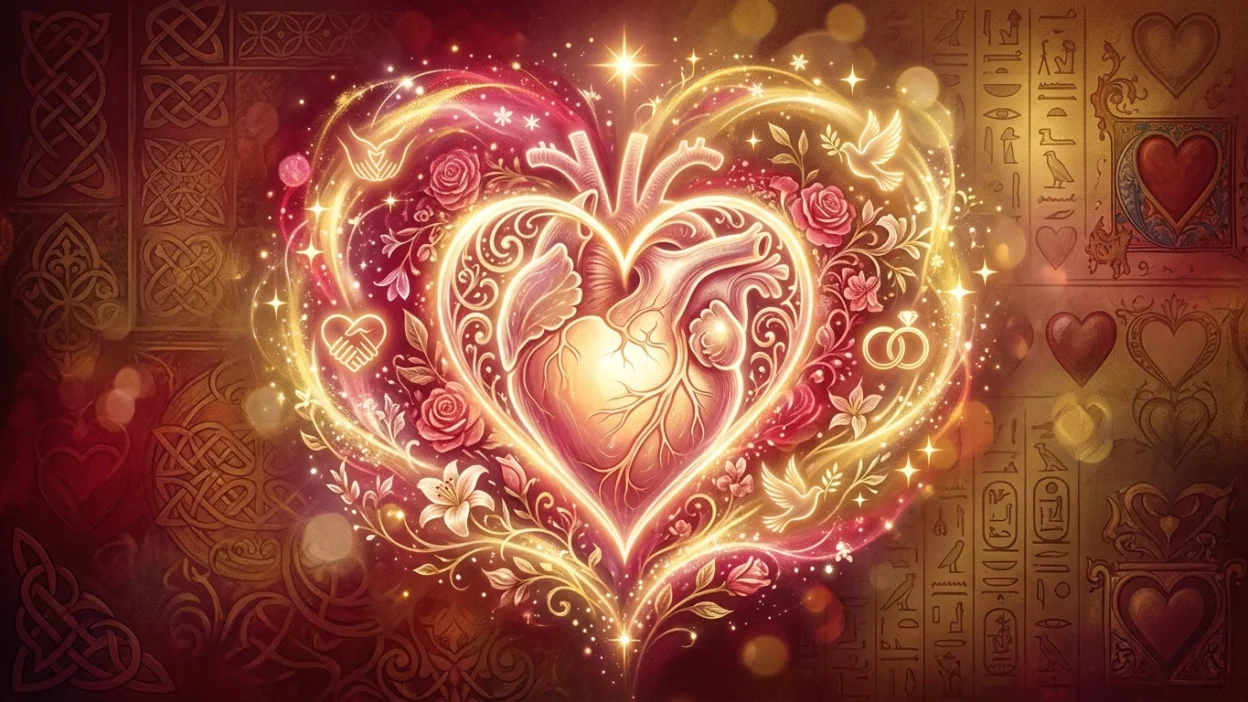
For many people, heart symbolism begins with a familiar image that represents love, care, affection, and human connection across centuries of culture. The modern symbol is often seen as a stylized shape, a recognizable heart image, or a simple heart emoji rather than the actual anatomical heart.
As its meaning has evolved through history, this form gained rich cultural nuances, creating a lasting representation that many people first associate with emotions during childhood. Exploring the origin, evolution, and representation origin of this symbol reveals how a simple design became deeply associated with everyday life.
The contrast between the abstract shape and the realistic image of the physical heart gives the symbol much of its appeal. While the real organ belongs to human anatomy, the symbolic version functions as a powerful visual symbol, symbolic element, and symbolic representation.
It expresses deepest feelings, affection, emotional connection, and layers of emotional symbolism that developed over time. Throughout history, the stylized heart, symbolic heart, and familiar heart image accumulated symbolic associations, affection symbolism, profound meanings, emotional depth, and enduring significance.
Heart Symbolism Meaning (Clear Definition)
Heart symbolism refers to the use of the heart as a symbolic representation of emotions, affection, inner wisdom, and spiritual connection. While the heart physically sustains life, symbolically it represents the center of feelings, relationships, and personal values.
Quick Definition
| Symbol | Meaning |
| Heart | Love and affection |
| Open Heart | Compassion and acceptance |
| Sacred Heart | Divine love and devotion |
| Broken Heart | Loss and emotional pain |
| Heart with Wings | Freedom and spiritual growth |
| Golden Heart | Kindness and generosity |
What Does Heart Symbolism Represent?
Heart symbolism carries a wide range of meanings that resonate across different cultures and beliefs.
The heart often represents:
- Love and romance
- Compassion and empathy
- Courage and bravery
- Emotional honesty
- Spiritual awareness
- Unity and connection
- Life force and vitality
Because emotions are often associated with the heart rather than the mind, people use heart imagery to express their deepest feelings and intentions. This connection makes heart symbolism one of the most recognizable symbolic meanings worldwide.
Spiritual Meaning of Heart Symbolism
Spiritually, the heart is considered the center of the soul and inner consciousness. Many spiritual traditions teach that true wisdom emerges when the heart and mind work together.
Heart symbolism often signifies:
- Unconditional love
- Spiritual awakening
- Divine guidance
- Emotional healing
- Inner peace
- Compassion toward others
The heart is also closely connected with the concept of the heart chakra, which represents balance, forgiveness, and harmonious relationships. When the symbolic heart is open, individuals are believed to experience greater empathy, understanding, and spiritual growth.
Biblical / Religious Meaning of Heart Symbolism
In biblical and religious teachings, the heart is often described as the center of a person’s character, faith, and intentions.
Throughout scripture, the heart symbolizes:
- Faith and devotion
- Moral integrity
- Spiritual transformation
- God’s love and mercy
- Purity of intention
Many religious traditions emphasize the importance of a sincere heart, suggesting that true spiritual connection comes from inner authenticity rather than outward appearances. The Sacred Heart, particularly in Christian tradition, symbolizes divine compassion, sacrifice, and eternal love.
Heart Symbolism in History and Culture
The symbolic meaning of the heart has evolved over centuries while maintaining its association with love and emotional connection.
Ancient civilizations often viewed the heart as the seat of intelligence and the soul. In Ancient Egypt, the heart was considered essential for judgment in the afterlife. Greek philosophers linked the heart with human emotions, while medieval cultures transformed the heart shape into a symbol of romantic affection.
Across cultures, heart symbolism commonly represents:
- Loyalty
- Family bonds
- Friendship
- Compassion
- Emotional strength
Its enduring presence highlights humanity’s shared desire for connection and understanding.
Heart Symbolism in Literature and Art
Writers and artists have long used heart symbolism to communicate powerful emotions and universal themes.
In literature, the heart often symbolizes:
- Romantic love
- Personal sacrifice
- Emotional vulnerability
- Hope and resilience
In visual art, hearts appear in paintings, sculptures, jewelry, and decorative designs. Artists use heart imagery to evoke feelings of tenderness, passion, devotion, and human connection.
Because the symbol is instantly recognizable, it remains one of the most effective artistic representations of emotion and meaning.
Dream Meaning of Heart Symbolism
Seeing a heart in a dream can carry significant symbolic messages depending on the context.
Common dream interpretations include:
| Dream Scenario | Possible Meaning |
| Healthy Heart | Emotional balance and well-being |
| Glowing Heart | Spiritual growth and love |
| Broken Heart | Grief, disappointment, or healing |
| Large Heart | Generosity and compassion |
| Heart Gift | New relationships or emotional opportunities |
Dreams involving hearts often encourage reflection on relationships, emotions, and personal growth. They may highlight the need for healing, forgiveness, or deeper emotional awareness.
Modern Meaning of Heart Symbolism
Today, heart symbolism remains one of the most widely used symbols in daily life. It appears in social media, fashion, branding, greeting cards, and digital communication.
Modern interpretations often emphasize:
- Love and affection
- Self-care and wellness
- Emotional intelligence
- Kindness and empathy
- Community and belonging
The heart emoji, for example, has become a universal way to express appreciation, support, friendship, and romantic feelings. Despite technological changes, the heart continues to communicate timeless human emotions.
FAQs:
What is the primary meaning of heart symbolism?
The primary meaning of heart symbolism is love, emotional connection, and compassion. It often represents the center of human feelings and relationships.
Is heart symbolism spiritual?
Yes. Many spiritual traditions view the heart as a symbol of the soul, inner wisdom, divine love, and emotional healing.
What does a broken heart symbolize?
A broken heart typically symbolizes grief, loss, emotional pain, or the process of healing after disappointment.
Why is the heart associated with love?
For centuries, people have connected strong emotions with the heart. This cultural association eventually made the heart the universal symbol of love and affection.
What does a heart symbolize in dreams?
In dreams, a heart often represents emotional well-being, relationships, compassion, spiritual growth, or unresolved feelings.
Conclusion
Heart symbolism remains one of humanity’s most meaningful and enduring symbols. If representing love, compassion, courage, spirituality, or emotional truth, the heart reminds us of the values that connect people across cultures and generations. Its timeless message encourages kindness, authenticity, and deeper human connection.

Julian Carter is a writer, poet, and scholar whose work explores culture, identity, history, and human connection. Through thoughtful storytelling and creative insight, he inspires readers to reflect on relationships, memory, and personal transformation.