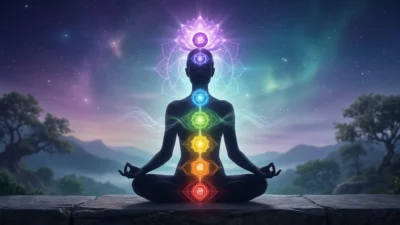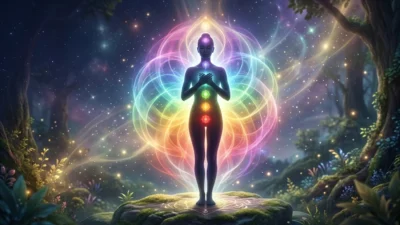
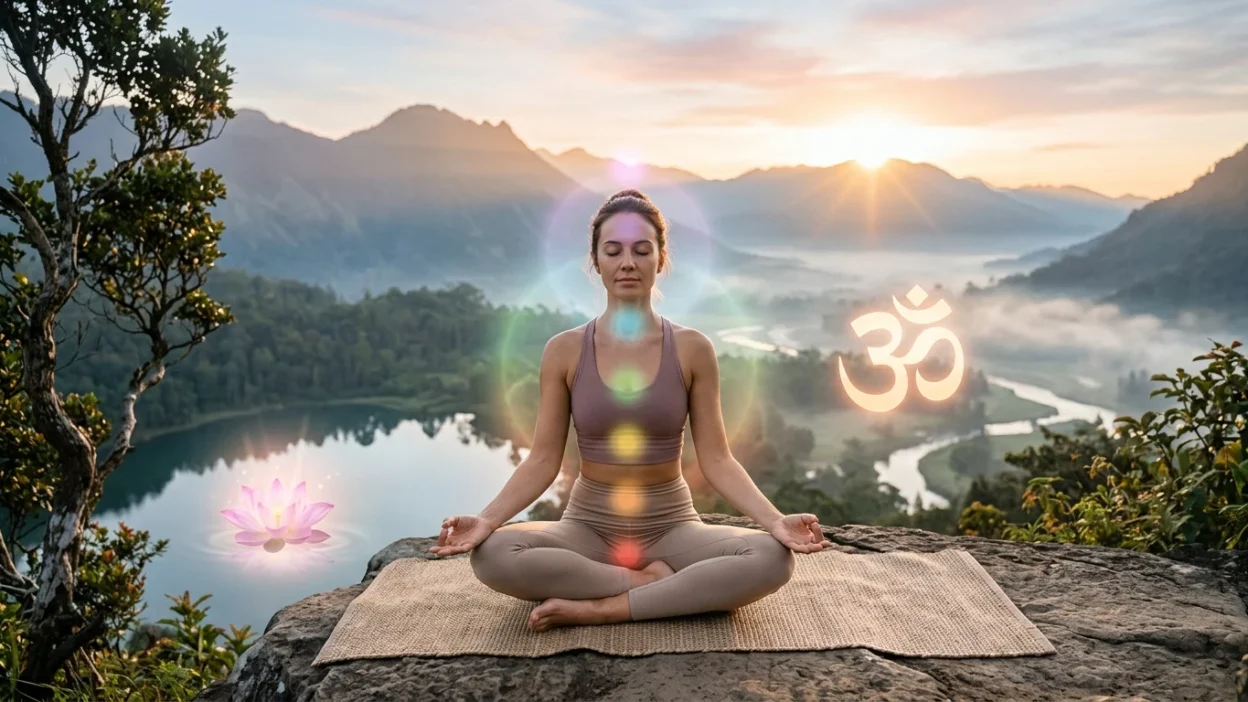
Yoga is more than physical movement or a way to improve flexibility. Yoga symbolism refers to the deeper meanings found in yoga poses, breathing practices, meditation, gestures, symbols, and spiritual traditions. These elements can represent balance, inner peace, transformation, awareness, strength, and connection.
Understanding yoga symbolism can make your practice feel more meaningful. Whether you are a beginner, a regular practitioner, or simply curious about the spiritual side of yoga, learning what common yoga symbols and practices represent can help you approach the tradition with greater awareness and respect.
1. What Does Yoga Symbolism Mean?
Yoga symbolism connects physical practices with deeper ideas about the mind, body, and spirit. A posture may represent stability, while meditation can symbolize inner awareness.
Best for: Understanding the foundation of yoga symbolism.
Alternative: Think of yoga symbols as visual or physical reminders of personal growth.
Examples:
Standing firmly in Mountain Pose can represent stability.
Closing your eyes during meditation can symbolize turning inward.
2. Yoga Symbolism and Inner Peace
One of the strongest themes in yoga is peace. Quiet breathing, meditation, and mindful movement encourage practitioners to slow down and become present.
Best for: People seeking calm and emotional balance.
Alternative: Use mindful breathing as a simple symbol of peace.
Examples:
Taking slow breaths before meditation represents calmness.
Ending practice in Savasana can symbolize releasing tension.
3. Yoga Symbolism of Balance
Balance is both physical and spiritual in yoga. Many practices encourage harmony between effort and relaxation, strength and flexibility, and activity and stillness.
Best for: Understanding harmony in everyday life.
Alternative: View balance as learning when to hold on and when to let go.
Examples:
Tree Pose represents physical and mental balance.
Alternating active poses with rest represents moderation.
4. Yoga Symbolism of the Lotus
The lotus is one of the most recognizable symbols associated with yoga and meditation. Because a lotus grows from muddy water and blooms above it, it is often associated with spiritual growth and transformation.
Best for: Symbolizing personal growth.
Alternative: Think of the lotus as a reminder that difficult experiences can lead to wisdom.
Examples:
Lotus imagery can represent awakening.
Lotus Pose can be used during meditation.
5. Yoga Symbolism of the Om Symbol
Om, often written as ॐ, is a sacred sound and symbol in several Indian spiritual traditions. In yoga contexts, it is commonly associated with consciousness, meditation, and the interconnected nature of existence.
Best for: Exploring traditional meditation symbolism.
Alternative: Practice silent mindfulness if chanting is not part of your tradition.
Examples:
Chanting Om at the beginning of a class can create a focused atmosphere.
Seeing the Om symbol may remind someone to return to mindful awareness.
6. Yoga Symbolism of the Sun
The sun often represents light, vitality, energy, and awareness. This symbolism appears clearly in Surya Namaskar, or Sun Salutations.
Best for: Understanding energy and renewal.
Alternative: Use morning sunlight as a simple reminder of fresh beginnings.
Examples:
Practicing Sun Salutations in the morning can symbolize a new day.
Sun imagery can represent inner illumination.
7. Yoga Symbolism of Sun Salutation
Sun Salutation is a sequence of yoga postures traditionally connected with the sun. Symbolically, it can represent gratitude, movement, vitality, and renewal.
Best for: Connecting physical practice with intention.
Alternative: Begin your practice with a moment of gratitude.
Examples:
A morning sequence can represent welcoming a new beginning.
Repeating the sequence mindfully can symbolize consistency.
8. Yoga Symbolism of Mountain Pose
Mountain Pose, or Tadasana, is a simple standing posture with powerful symbolism. It can represent steadiness, grounding, confidence, and presence.
Best for: Learning about stability.
Alternative: Stand quietly with both feet grounded.
Examples:
Standing tall can symbolize inner strength.
Feeling the feet against the floor can represent being grounded.
9. Yoga Symbolism of Tree Pose
Tree Pose, or Vrksasana, combines grounding with upward growth. The image of a tree provides a natural metaphor for stability and resilience.
Best for: Symbolizing rootedness and growth.
Alternative: Imagine yourself as a tree while standing.
Examples:
Strong legs can represent roots.
An upright spine can represent reaching toward personal growth.
10. Yoga Symbolism of Warrior Poses
Warrior poses often symbolize courage, determination, discipline, and strength. Their meaning does not need to involve literal conflict; they can represent facing life’s challenges with awareness.
Best for: Exploring courage and resilience.
Alternative: Treat the pose as a reminder of inner strength.
Examples:
Warrior I can represent confidence.
Warrior II can symbolize focused attention.
11. Yoga Symbolism of Child’s Pose
Child’s Pose, or Balasana, is commonly associated with rest, surrender, comfort, and returning inward.
Best for: Understanding rest and humility.
Alternative: Use a quiet seated pause when you need recovery.
Examples:
Resting in Child’s Pose can represent letting go of pressure.
Returning to the pose during practice can symbolize self-care.
12. Yoga Symbolism of Savasana
Savasana, or Corpse Pose, is usually practiced at the end of a yoga session. Despite its name, it is generally understood as a practice of stillness, relaxation, and release.
Best for: Exploring surrender and restoration.
Alternative: Spend several minutes lying quietly and breathing naturally.
Examples:
Relaxing the body can symbolize releasing control.
Remaining still can represent acceptance of the present moment.
13. Yoga Symbolism of Meditation
Meditation represents stillness, attention, self-awareness, and inner observation. In yoga traditions, meditation can be part of a broader path toward deeper awareness.
Best for: Understanding the mental side of yoga.
Alternative: Practice mindful breathing for a few minutes.
Examples:
Watching the breath can symbolize awareness.
Returning to a mantra can represent mental focus.
14. Yoga Symbolism of Breath
Breath is central to many yoga practices. Pranayama, or yogic breath practices, can symbolize the relationship between body, mind, energy, and awareness.
Best for: Exploring the connection between breath and mindfulness.
Alternative: Practice slow, comfortable breathing.
Examples:
Observing natural breathing can encourage presence.
A structured breathing practice can support concentration.
15. Yoga Symbolism of Chakras
Chakras are described in certain Indian spiritual traditions as centers associated with subtle energy. Modern yoga commonly uses chakra symbolism to discuss emotional, psychological, and spiritual themes.
Best for: Exploring traditional and contemporary spiritual yoga concepts.
Alternative: Use chakra imagery as a reflective framework rather than a medical claim.
Examples:
The heart chakra is commonly associated with compassion.
The throat chakra is often connected with communication.
16. Yoga Symbolism of the Third Eye
The third eye, often associated with Ajna, is a powerful symbol of intuition, insight, and inner awareness in yogic and Tantric traditions.
Best for: Reflecting on intuition and self-awareness.
Alternative: Spend time observing your thoughts without immediately reacting.
Examples:
Meditating with attention toward the brow area can represent inner focus.
Third-eye imagery can symbolize insight.
17. Yoga Symbolism of the Heart
The heart can symbolize compassion, love, kindness, and emotional openness. Yoga practices often encourage practitioners to develop awareness and acceptance rather than simply physical strength.
Best for: Exploring compassion.
Alternative: Pair your practice with an intention of kindness.
Examples:
Heart-opening poses can inspire emotional reflection.
A gratitude meditation can represent appreciation.
18. Yoga Symbolism of Hands and Mudras
Mudras are symbolic hand gestures used in some yoga and meditation traditions. Different mudras have different traditional associations.
Best for: Learning about symbolic gestures.
Alternative: Place your hands comfortably while maintaining mindful awareness.
Examples:
Anjali Mudra, with palms together, can represent respect or devotion.
Jnana or Chin Mudra is commonly associated with meditation and awareness.
19. Yoga Symbolism of Namaste
Namaste is a respectful greeting with roots in South Asian culture. In modern yoga classes, it is often used at the conclusion of practice, although its meaning and cultural context are broader than yoga alone.
Best for: Understanding respect and humility.
Alternative: End practice with a simple gesture of gratitude.
Examples:
Saying Namaste at the end of class can express respect.
A quiet bow can similarly mark the end of practice.
20. Yoga Symbolism of the Mandala
Mandala designs are often used in spiritual and contemplative contexts. Their circular patterns can represent wholeness, balance, order, and the relationship between the individual and the larger universe.
Best for: Exploring visual meditation symbolism.
Alternative: Use a simple geometric pattern for mindful observation.
Examples:
Meditating on a mandala can encourage concentration.
Circular artwork can represent completeness.
21. Yoga Symbolism of the Wheel
The wheel is a recurring image in Indian philosophical and spiritual traditions. It can symbolize movement, cycles, transformation, and the ongoing journey of life.
Best for: Understanding cycles and transformation.
Alternative: Reflect on the changing stages of your own life.
Examples:
Wheel imagery can represent continuous growth.
Yoga philosophy may use cyclical imagery to discuss existence and change.
22. Yoga Symbolism of Water
Water commonly symbolizes adaptability, purification, flow, and emotional movement. These ideas can complement yoga’s emphasis on responding to change.
Best for: Reflecting on flexibility and acceptance.
Alternative: Use flowing movement as your metaphor.
Examples:
Flowing between poses can represent adaptability.
Visualizing calm water during meditation can encourage peacefulness.
23. Yoga Symbolism of Fire
Fire is often associated with transformation, purification, energy, and discipline. In yogic philosophy, concepts such as Agni are connected with fire and transformative processes.
Best for: Exploring transformation and personal discipline.
Alternative: Think about what habits you want to strengthen or release.
Examples:
A focused practice can symbolize inner determination.
Candle meditation can provide a traditional visual focus.
24. Yoga Symbolism of the Snake
Snake imagery has an important place in Indian spiritual traditions. Kundalini is traditionally described through the symbolism of a coiled serpent, representing dormant spiritual potential.
Best for: Learning about traditional Kundalini symbolism.
Alternative: Approach the symbolism as part of cultural and philosophical study.
Examples:
A coiled snake can represent latent potential.
Serpent imagery can symbolize transformation and awakening.
25. Yoga Symbolism of the Chakra Wheel
The chakra wheel combines circular imagery with the traditional chakra system. It can represent movement, energy, balance, and different dimensions of human experience.
Best for: Understanding common contemporary chakra imagery.
Alternative: Study each chakra as a symbolic theme.
Examples:
A chakra wheel can be used as a meditation visual.
Color-coded chakra artwork can represent different traditional associations.
26. Yoga Symbolism and Spiritual Awakening
Yoga is sometimes understood as a path toward greater awareness and spiritual awakening. Symbolically, awakening means moving from unconscious habits toward deeper self-understanding.
Best for: Exploring the spiritual dimensions of yoga.
Alternative: Focus on mindfulness and self-reflection without adopting a specific belief system.
Examples:
Meditation can represent awakening to one’s thoughts.
Self-inquiry can symbolize discovering deeper values.
27. Yoga Symbolism of Letting Go
Letting go is an important theme in many yoga teachings. It can mean releasing attachment, excessive expectations, or the need to control every outcome.
Best for: Emotional reflection and personal growth.
Alternative: Practice acceptance of what is outside your control.
Examples:
Relaxing during Savasana can symbolize surrender.
Returning attention to the breath can represent releasing distractions.
28. Yoga Symbolism of Unity
The word yoga is traditionally associated with ideas of joining or union. This makes unity one of the most important symbolic themes connected with yoga.
Best for: Understanding yoga beyond physical exercise.
Alternative: Think of yoga as creating greater harmony within yourself.
Examples:
Coordinating breath with movement can symbolize integration.
Meditation can represent connection between mind and body.
29. Yoga Symbolism in Modern Life
Yoga symbolism does not have to remain inside a studio. Its themes can become practical reminders for everyday living.
Best for: Applying yoga principles outside practice.
Alternative: Choose one symbol or principle as a daily intention.
Examples:
Mountain symbolism can remind you to remain steady during stress.
Lotus symbolism can remind you that growth can emerge from difficult experiences.
30. How to Use Yoga Symbolism in Your Practice
The most meaningful way to use yoga symbolism is to approach it thoughtfully rather than treating every symbol as having one universal meaning. Traditions, teachers, cultures, and individual experiences can differ.
Best for: Creating a more intentional yoga practice.
Alternative: Choose symbols that genuinely help you reflect.
Examples:
Begin practice by choosing “balance” as your intention.
End meditation by reflecting on what you learned about yourself.
FAQs:
What is the main meaning of yoga symbolism?
Yoga symbolism represents deeper ideas connected with awareness, balance, transformation, unity, discipline, peace, and spiritual growth.
What does the lotus symbolize in yoga?
The lotus commonly symbolizes spiritual growth, purity, resilience, and transformation because it rises from muddy water and blooms above it.
What does Om symbolize in yoga?
Om is a sacred sound and symbol used in several Indian spiritual traditions. In yoga contexts, it is often associated with consciousness, meditation, and the interconnectedness of existence.
What does the tree symbolize in yoga?
The tree often represents grounding, stability, resilience, and growth. Tree Pose provides a natural physical metaphor for these qualities.
Is yoga symbolism religious?
Yoga has deep roots in Indian philosophical and spiritual traditions, including Hindu, Buddhist, and Jain contexts. Modern yoga can also be practiced as physical exercise, mindfulness, or spiritual practice. Meanings therefore vary according to tradition and individual context.
Conclusion
Yoga symbolism gives deeper meaning to many familiar parts of yoga, from the lotus and Om symbol to Mountain Pose, meditation, breathwork, and chakras. These symbols can remind us of qualities such as balance, courage, peace, awareness, resilience, and transformation.
You do not need to understand every traditional symbol to benefit from yoga. Start with one idea that speaks to you—perhaps the stability of a mountain, the growth of a lotus, or the calm of mindful breathing—and let it become a meaningful part of your practice.