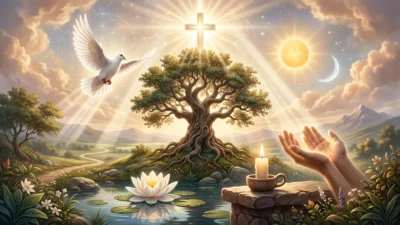
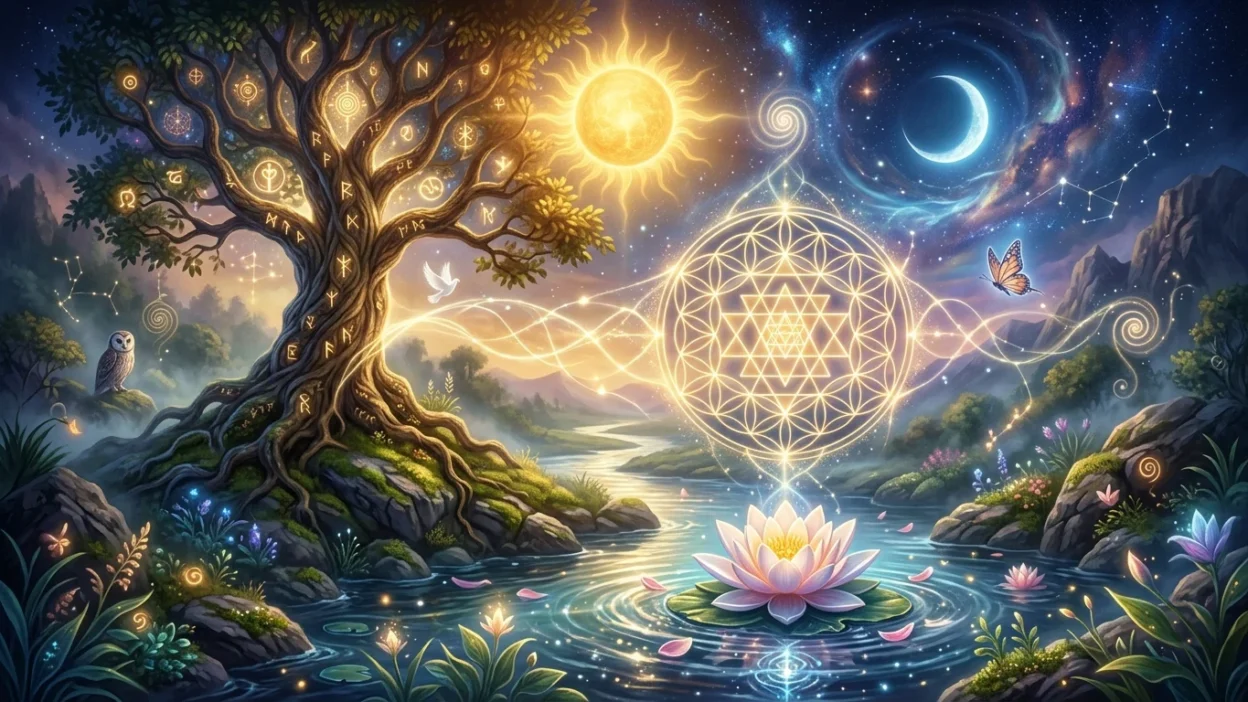
Sacred symbolism explores the deeper meanings people attach to objects, animals, places, colors, rituals, and natural elements. A sacred symbol often represents something greater than its physical form, such as faith, divine connection, protection, wisdom, renewal, or spiritual truth.
Across history and cultures, people have used sacred symbols to express beliefs and understand life’s mysteries. While meanings can differ between religions and traditions, these symbols often encourage reflection, respect, and a stronger connection with the spiritual world.
1. Sacred Symbolism Meaning: A Clear Definition
Sacred symbolism is the use of symbols to represent spiritual, religious, or deeply meaningful ideas. A simple object can become sacred because of the beliefs, stories, or traditions connected to it.
Best for: Understanding the basic meaning of sacred symbols.
Alternative: Spiritual symbolism or religious symbolism.
Examples:
- A flame representing divine presence or spiritual light.
- A circle representing wholeness, unity, or eternity.
2. Sacred Symbols as a Connection to the Divine
Many sacred symbols help people express a relationship with the divine, the universe, or a higher power. They can serve as reminders of faith and spiritual purpose.
Best for: Exploring faith and spiritual connection.
Alternative: Divine symbolism.
Examples:
- A ray of light representing guidance from above.
- An open sky symbolizing the vastness of the spiritual realm.
3. The Sacred Meaning of Light
Light is one of the most universal sacred symbols. It often represents truth, hope, knowledge, purity, and spiritual awakening.
Best for: Themes of enlightenment and hope.
Alternative: Illumination symbolism.
Examples:
- A candle representing prayer or inner guidance.
- Sunrise symbolizing a new spiritual beginning.
4. Water in Sacred Symbolism
Water commonly symbolizes cleansing, life, healing, renewal, and emotional transformation. Its importance appears in many spiritual and religious traditions.
Best for: Renewal and purification themes.
Alternative: Cleansing symbolism.
Examples:
- Flowing water representing emotional release.
- A sacred spring symbolizing healing and renewal.
5. Fire as a Sacred Symbol
Fire can represent transformation, divine energy, passion, purification, and spiritual power. It can both destroy the old and create space for something new.
Best for: Change and transformation.
Alternative: Purification symbolism.
Examples:
- A ceremonial flame representing spiritual devotion.
- A fire burning away old habits and negative energy.
6. The Sacred Symbolism of Trees
Trees often represent life, growth, wisdom, strength, and the connection between heaven and earth. Their roots and branches create a powerful image of balance.
Best for: Growth and grounding.
Alternative: Tree of life symbolism.
Examples:
- Deep roots representing stability and ancestry.
- Growing branches representing personal development.
7. Sacred Symbolism of the Sun
The sun is frequently connected with life, energy, power, truth, and spiritual illumination. Its daily return can also symbolize renewal.
Best for: Vitality and spiritual awakening.
Alternative: Solar symbolism.
Examples:
- Sunrise representing hope after darkness.
- Sunlight representing clarity and truth.
8. The Moon and Sacred Meaning
The moon often symbolizes intuition, cycles, mystery, reflection, and transformation. Its changing phases remind people that life is always evolving.
Best for: Intuition and personal change.
Alternative: Lunar symbolism.
Examples:
- A full moon representing completion.
- A crescent moon symbolizing new beginnings.
9. Sacred Symbolism of Stars
Stars have long represented guidance, hope, destiny, and the mysteries of the universe. They can remind us to look beyond everyday life.
Best for: Guidance and inspiration.
Alternative: Celestial symbolism.
Examples:
- A bright star representing direction during difficult times.
- A group of stars symbolizing unity within the universe.
10. The Circle as a Sacred Symbol
The circle has no beginning or end, making it a powerful symbol of eternity, unity, completeness, and the continuous cycle of life.
Best for: Wholeness and unity.
Alternative: Eternal symbolism.
Examples:
- A circular design representing the cycle of life.
- A ring symbolizing an unbroken connection.
11. Sacred Symbolism of the Cross
The cross carries profound sacred meaning, especially within Christianity, where it is associated with faith, sacrifice, redemption, and hope.
Best for: Religious and spiritual reflection.
Alternative: Faith symbolism.
Examples:
- A cross worn as a reminder of personal faith.
- A cross displayed in a place of worship.
12. Sacred Symbolism of the Lotus
The lotus is widely associated with purity, spiritual awakening, resilience, and enlightenment. Its growth from muddy water gives it a powerful symbolic message.
Best for: Personal growth and spiritual transformation.
Alternative: Enlightenment symbolism.
Examples:
- A lotus representing rising above challenges.
- A blooming lotus symbolizing spiritual awakening.
13. The Dove as a Sacred Symbol
The dove commonly represents peace, purity, hope, love, and spiritual blessing. Its gentle nature strengthens its connection with harmony.
Best for: Peaceful and uplifting symbolism.
Alternative: Peace symbolism.
Examples:
- A flying dove representing freedom and peace.
- A white dove symbolizing purity and hope.
14. Sacred Symbolism of the Serpent
The serpent has complex meanings across different cultures. It may represent wisdom, healing, transformation, danger, rebirth, or hidden knowledge.
Best for: Exploring transformation and dual meanings.
Alternative: Serpent symbolism.
Examples:
- Shedding skin representing personal renewal.
- A coiled serpent symbolizing hidden energy or wisdom.
15. Mountains and Sacred Meaning
Mountains often symbolize spiritual ascent, strength, permanence, and closeness to the divine. Their height can represent the journey toward greater understanding.
Best for: Spiritual growth and perseverance.
Alternative: Sacred landscape symbolism.
Examples:
- Climbing a mountain representing overcoming inner challenges.
- A mountain peak symbolizing spiritual achievement.
16. Sacred Rivers and Flowing Water
Rivers symbolize movement, life, change, and the passage of time. Sacred rivers may also represent purification and a connection between communities and nature.
Best for: Change and life’s journey.
Alternative: River symbolism.
Examples:
- A flowing river representing constant transformation.
- Crossing a river symbolizing entering a new stage of life.
17. Sacred Symbolism of Birds
Birds often represent freedom, the soul, messages, and communication between the earthly and spiritual worlds.
Best for: Freedom and spiritual messages.
Alternative: Animal symbolism.
Examples:
- A soaring bird representing liberation.
- A bird appearing in art as a symbol of the soul.
18. Sacred Animals and Their Meanings
Animals can become sacred symbols because of their qualities, cultural importance, or connections to mythology and spiritual traditions.
Best for: Understanding cultural and spiritual traditions.
Alternative: Sacred animal symbolism.
Examples:
- An elephant representing wisdom and strength.
- A lion representing courage and power.
19. Sacred Symbolism of Flowers
Flowers often represent beauty, life, love, devotion, renewal, and the temporary nature of existence. Their meanings can vary by culture and context.
Best for: Beauty and spiritual reflection.
Alternative: Floral symbolism.
Examples:
- A rose representing love and devotion.
- A lily representing purity and renewal.
20. The Sacred Meaning of Colors
Colors can carry strong symbolic meaning in sacred art, rituals, clothing, and architecture. Their interpretations depend on cultural and religious context.
Best for: Understanding visual spiritual symbolism.
Alternative: Color symbolism.
Examples:
- White representing purity or peace in many contexts.
- Gold representing value, light, or divine glory.
21. Sacred Geometry and Spiritual Patterns
Sacred geometry explores meaningful shapes and patterns that people associate with harmony, order, balance, and the structure of the universe.
Best for: Exploring patterns and spiritual design.
Alternative: Geometric symbolism.
Examples:
- A spiral representing growth and continuous movement.
- Symmetrical patterns representing harmony and balance.
22. The Spiral in Sacred Symbolism
The spiral is an ancient symbol connected with growth, evolution, cycles, and the journey inward or outward.
Best for: Transformation and life cycles.
Alternative: Cyclical symbolism.
Examples:
- An inward spiral representing self-discovery.
- An outward spiral representing expansion and growth.
23. Sacred Symbolism of Doors and Gateways
Doors and gateways often symbolize opportunity, transition, mystery, and movement from one state of life into another.
Best for: New beginnings and transitions.
Alternative: Threshold symbolism.
Examples:
- Opening a door representing a new opportunity.
- Passing through a gate symbolizing personal transformation.
24. Sacred Symbols of Protection
Some symbols are traditionally used as reminders of protection, strength, faith, or spiritual safety. Their meaning often comes from cultural and religious traditions.
Best for: Exploring protective spiritual meanings.
Alternative: Protection symbolism.
Examples:
- A protective emblem carried as a personal reminder.
- A sacred symbol placed at an entrance according to tradition.
25. Sacred Symbolism in Rituals
Rituals often use symbolic actions, objects, sounds, and gestures to create meaning and mark important moments.
Best for: Understanding spiritual practices.
Alternative: Ritual symbolism.
Examples:
- Lighting a candle to mark a moment of reflection.
- Ringing a bell to begin or end a ceremony.
26. Sacred Places and Their Symbolic Meaning
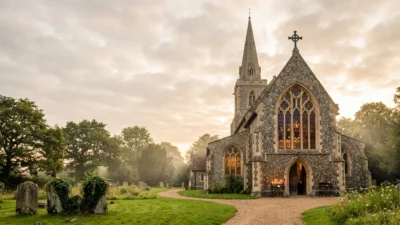
Certain places are considered sacred because of their history, natural beauty, religious importance, or cultural traditions.
Best for: Exploring sacred spaces.
Alternative: Spiritual place symbolism.
Examples:
- A mountain viewed as a place of spiritual significance.
- A temple representing devotion and community.
27. Sacred Symbolism in Art and Architecture
Artists and builders have used sacred imagery for centuries to communicate beliefs, tell stories, and create spaces that encourage reflection.
Best for: Art, history, and cultural interpretation.
Alternative: Religious art symbolism.
Examples:
- A mural containing symbols of spiritual stories.
- A symmetrical building design expressing harmony.
28. Sacred Symbols in Dreams
Symbols appearing in dreams can feel deeply personal. Their meanings may be influenced by emotions, memories, culture, and individual spiritual beliefs.
Best for: Personal reflection and dream interpretation.
Alternative: Dream symbolism.
Examples:
- Water in a dream reflecting emotional themes.
- A path symbolizing a personal decision or journey.
29. How Culture Shapes Sacred Symbolism
A symbol does not always have one universal meaning. History, religion, geography, and cultural traditions can greatly influence how a symbol is understood.
Best for: Respectful cultural interpretation.
Alternative: Cultural symbolism.
Examples:
- A color having different meanings in different societies.
- An animal representing wisdom in one tradition and something else in another.
30. Using Sacred Symbolism in Modern Life
Sacred symbolism can still inspire reflection today. People may explore meaningful symbols through art, meditation, journaling, cultural study, or personal spiritual practices.
Best for: Bringing symbolic meaning into everyday life.
Alternative: Modern spiritual symbolism.
Examples:
- Keeping a meaningful symbol in a journal as a reminder of a personal value.
- Creating artwork inspired by themes of peace, renewal, or connection.
FAQs:
What is sacred symbolism?
Sacred symbolism is the use of objects, images, animals, colors, places, or patterns to represent spiritual, religious, or deeply meaningful ideas.
What are some common sacred symbols?
Common examples include the sun, moon, tree, water, fire, lotus, dove, cross, circle, spiral, and various sacred geometric patterns. Their meanings depend on the cultural or religious context.
Is sacred symbolism the same in every culture?
No. Some symbols have similar themes across cultures, but their exact meanings can differ. It is important to consider the specific tradition and historical context.
Why are symbols considered sacred?
A symbol may be considered sacred because a community connects it with divine beliefs, religious stories, rituals, spiritual experiences, or important cultural traditions.
Can sacred symbols have personal meanings?
Yes. People can develop personal connections to symbols through memories, experiences, values, and spiritual reflection. However, established religious or cultural meanings should also be understood and respected.
Conclusion
Sacred symbolism gives deeper meaning to the world around us. From light, water, and mountains to animals, flowers, colors, and geometric patterns, symbols can express ideas that are sometimes difficult to explain with words alone.
The most meaningful way to explore sacred symbols is with curiosity and respect. Consider their historical and cultural background, reflect on what they represent to you, and allow their deeper meanings to encourage wisdom, connection, hope, and personal growth.