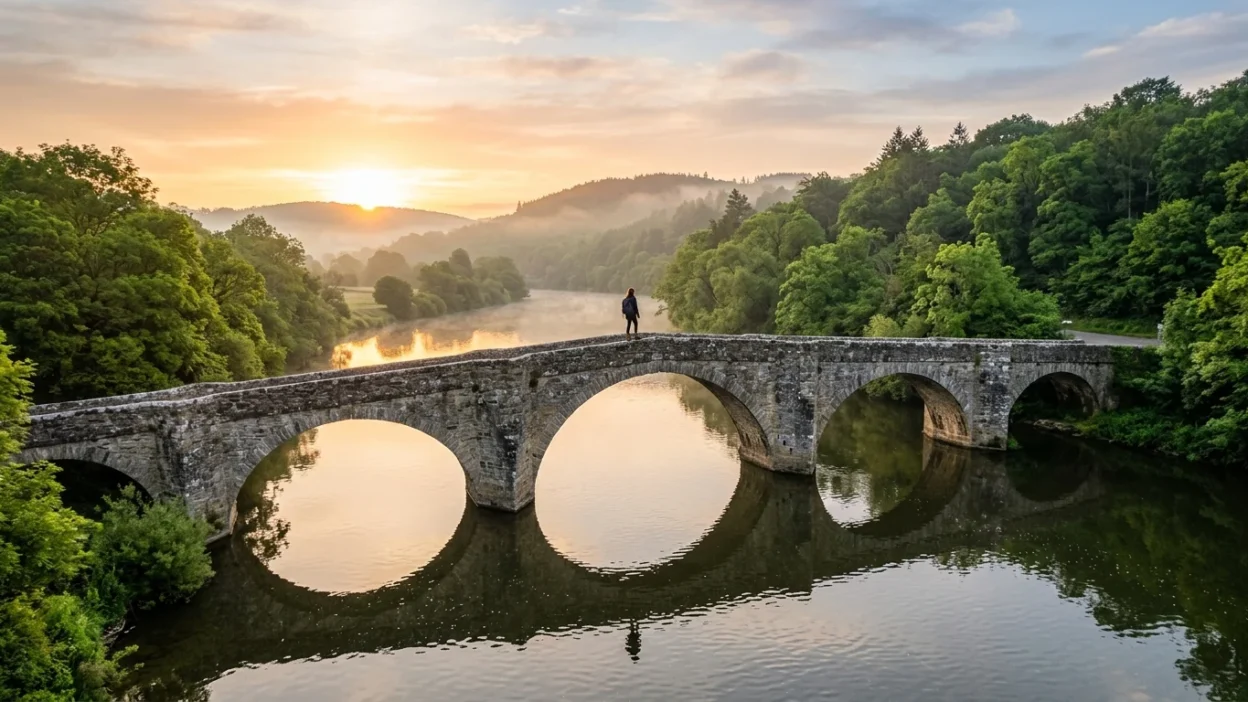
Bridge symbolism reflects how ordinary crossings become lasting reminders of connection, cherished memories, and meaningful life experiences for many people.
From my experience, having worked around drawbridges for 12 years, I have come to know why people strongly feel attached to a bridge or bridges in general. Many love to walk, jog, and enjoy crossing across them because they create everyday memories. Over the years, I have witnessed unforgettable moments, from marriage celebrations to heartfelt marriage proposals, proving that this symbolism carries genuine emotional meaning.
When authorities publish plans to demolish or replace a familiar bridge, the public often responds with an immediate public reaction and even public outcry. These local landmarks hold emotional value beyond their practical purpose, reminding communities of shared experiences, important milestones, and lasting traditions they never want to lose.
Fishermen, families, runners, and visitors from different walks of life gather there for different reasons, while special proposals, quiet personal moments, meaningful conversations, lasting memories, and emotional connections continue to make every crossing unforgettable.
Bridge Symbolism Meaning (Clear Definition)
Bridge symbolism refers to the idea of connection between two separate points—physically, emotionally, spiritually, or mentally. Symbolically, a bridge represents crossing from one phase of life into another while leaving behind limitations and embracing new possibilities.
At its core, a bridge symbolizes:
- Transition and change
- Connection between people
- Hope and opportunity
- Personal growth
- Overcoming obstacles
- Unity and reconciliation
- New beginnings
Quick Summary of Bridge Symbolism
| Symbol | Meaning |
|---|---|
| Crossing | Moving into a new life stage |
| Connection | Building relationships and understanding |
| Hope | Finding solutions and opportunities |
| Transformation | Personal or spiritual growth |
| Courage | Facing challenges with confidence |
| Unity | Bringing people or ideas together |
| Journey | Progress toward future goals |
What Does Bridge Symbolism Represent?
Bridge symbolism represents the ability to move beyond barriers and connect different aspects of life. Rather than remaining separated by fear, uncertainty, or conflict, a bridge offers a safe passage toward improvement and understanding.
Many people associate bridges with:
- Emotional healing
- New opportunities
- Reconciliation after conflict
- Life transitions
- Balance between the past and future
- Communication and trust
Just as a real bridge connects distant places, symbolic bridges connect experiences, emotions, cultures, and personal growth.
Spiritual Meaning of Bridge Symbolism
Spiritually, bridges symbolize the path between the physical world and higher awareness. Many spiritual traditions view bridges as sacred passages that guide individuals toward wisdom, enlightenment, and inner peace.
A bridge often represents:
- Spiritual awakening
- Faith during uncertain times
- Letting go of the past
- Moving toward purpose
- Trusting divine guidance
- Inner transformation
Crossing a bridge spiritually reminds us that growth requires courage. Every step forward reflects faith that something better lies ahead, even when the destination cannot yet be fully seen.
Biblical / Religious Meaning of Bridge Symbolism
Although bridges are not among the most frequently mentioned symbols in the Bible, the idea behind them closely aligns with biblical themes of reconciliation, redemption, and guidance.
From a Christian perspective, bridge symbolism may represent:
- Reconciliation between God and humanity
- Faith that overcomes life’s obstacles
- God’s guidance through difficult seasons
- Hope beyond trials
- The journey toward spiritual maturity
More broadly, many religions interpret bridges as symbols of moving from darkness to light, ignorance to wisdom, or suffering to peace.
Bridge Symbolism in History and Culture
Across civilizations, bridges have held symbolic significance beyond transportation. Ancient societies viewed bridges as engineering marvels and symbols of unity between communities.
In various cultures, bridges symbolize:
Ancient Cultures
Bridges represented trade, diplomacy, and cooperation between neighboring civilizations.
Eastern Traditions
Many Eastern philosophies associate bridges with spiritual journeys, harmony, and balance between opposing forces.
European Folklore
In folklore, magical bridges often connect ordinary worlds with enchanted realms, representing adventure, destiny, and transformation.
Indigenous Perspectives
Some Indigenous traditions see bridges or natural crossings as sacred places where physical and spiritual worlds meet.
Despite cultural differences, the symbolic message remains remarkably consistent: bridges connect what was once divided.
Bridge Symbolism in Literature and Art
Writers and artists frequently use bridge symbolism to represent emotional and psychological transformation.
In literature, a bridge may symbolize:
- Character development
- Personal decisions
- Emotional healing
- Hope after hardship
- A turning point in the story
Artists often paint bridges to express themes of connection, distance, reflection, or the passage of time. Whether realistic or abstract, bridge imagery encourages viewers to think about life’s ongoing journey.
Dream Meaning of Bridge Symbolism
Dreaming about a bridge often reflects your current life circumstances. The condition of the bridge and how you interact with it can provide additional meaning.
Common interpretations include:
Crossing a Bridge
Suggests progress, personal growth, and moving toward new opportunities.
Standing on a Bridge
May indicate you’re making an important life decision or evaluating your future.
Broken Bridge
Can symbolize uncertainty, fear, missed opportunities, or communication problems.
Building a Bridge
Often represents repairing relationships, creating trust, or finding solutions.
Falling from a Bridge
May reflect anxiety, insecurity, or fear of change, encouraging greater confidence and preparation.
Modern Meaning of Bridge Symbolism
Today, bridge symbolism remains highly relevant in everyday life. Beyond physical structures, bridges represent collaboration, innovation, and understanding across cultures and communities.
Modern symbolic meanings include:
- Building stronger relationships
- Career transitions
- Personal development
- Emotional resilience
- Cultural diversity
- Global cooperation
- Problem-solving through communication
Organizations, educators, and leaders frequently use bridge imagery to inspire teamwork and mutual understanding.
FAQs:
What is the main meaning of bridge symbolism?
Bridge symbolism primarily represents connection, transition, growth, and overcoming obstacles while moving from one stage of life to another.
Is seeing a bridge considered a good symbol?
Yes. In most traditions, bridges symbolize hope, opportunity, progress, and positive change, although the surrounding circumstances can influence the interpretation.
What does crossing a bridge symbolize spiritually?
Spiritually, crossing a bridge represents faith, personal transformation, and moving closer to wisdom, healing, or a higher purpose.
What does a broken bridge symbolize?
A broken bridge often represents separation, unresolved conflict, communication barriers, or fear of moving forward.
Why are bridges important symbols in literature?
Authors use bridges to represent important turning points, emotional journeys, character growth, and the connection between different stages of life.
Conclusion
Bridge symbolism reminds us that every meaningful journey requires courage, trust, and the willingness to move forward. If viewed through spirituality, history, dreams, literature, or everyday life, a bridge represents hope, connection, and transformation. It encourages us to leave behind limitations, embrace new opportunities, and confidently cross into the next chapter of our lives.