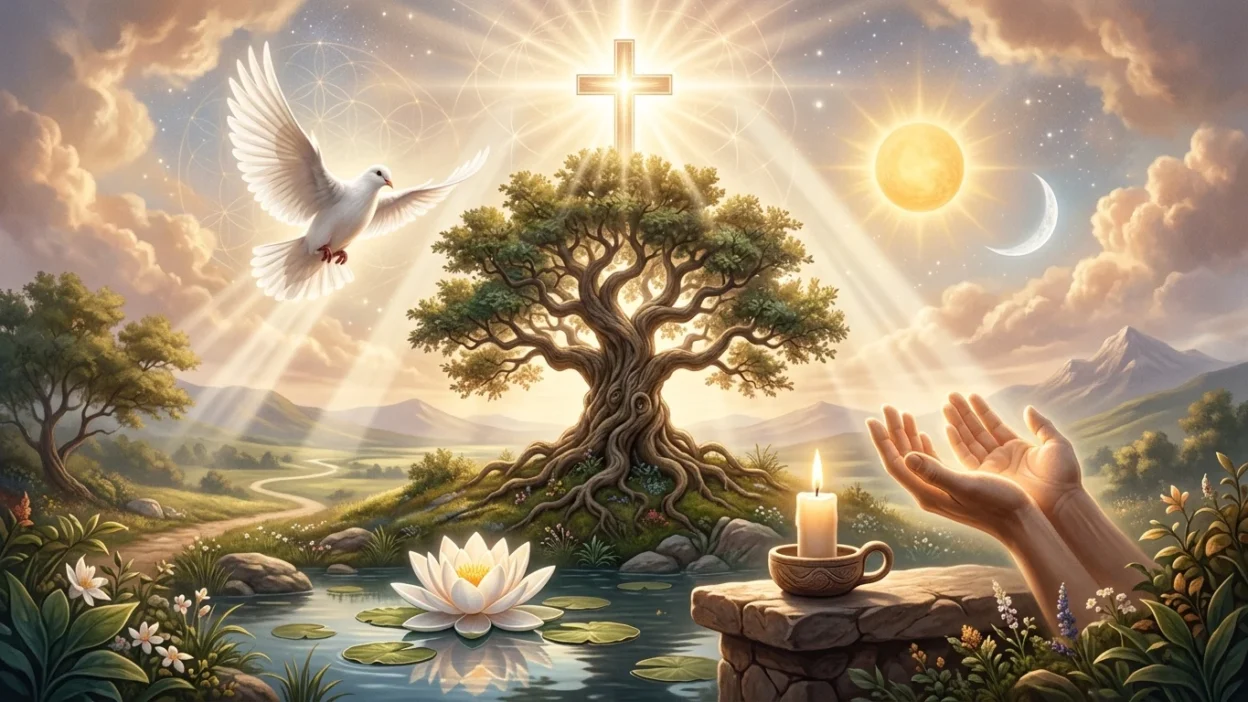
Holy symbolism refers to objects, images, colors, animals, places, and rituals that represent sacred ideas, spiritual beliefs, divine presence, faith, purity, and connection with something greater than everyday life. Across religions and cultures, holy symbols help people express beliefs that may be difficult to explain with words alone.
Understanding holy symbolism can deepen your appreciation of religious traditions, spiritual practices, sacred art, and cultural history. A symbol may represent protection, hope, sacrifice, wisdom, renewal, peace, or the presence of the divine. The exact meaning can change depending on the religion, culture, and personal interpretation.
1. Holy Symbolism Meaning
Holy symbolism gives visible form to sacred beliefs and spiritual ideas. It allows people to connect everyday objects and images with deeper meanings.
Best for: Understanding the basic meaning of sacred symbols.
Alternative: Sacred symbolism or religious symbolism.
Examples:
A candle can symbolize spiritual light and hope.
A sacred doorway can represent entering a holy or transformed space.
2. Holy Symbolism and Divine Presence
Many holy symbols represent the presence of God, gods, spirits, or a higher power. They remind believers that the sacred can be experienced in both special places and daily life.
Best for: Exploring symbols connected with the divine.
Alternative: Divine symbolism.
Examples:
A ray of light can symbolize divine guidance.
A sacred flame can represent the presence of spiritual power.
3. The Symbolism of Light
Light is one of the most widely recognized sacred symbols. It often represents truth, wisdom, purity, hope, awakening, and divine guidance.
Best for: Spiritual growth and positive symbolism.
Alternative: Illumination symbolism.
Examples:
Lighting a candle can symbolize hope during a difficult time.
Sunlight in sacred art can represent divine truth.
4. Holy Symbolism of the Cross
The cross is an important Christian symbol associated with faith, sacrifice, redemption, love, and the life of Jesus Christ. Its meaning is especially significant within Christian belief and worship.
Best for: Christian symbolism and religious studies.
Alternative: Sacred Christian symbolism.
Examples:
A cross worn as jewelry can express personal faith.
A church cross can serve as a visual reminder of Christian beliefs.
5. The Dove as a Holy Symbol
The dove is commonly associated with peace, purity, hope, and spiritual blessing. In different religious and cultural traditions, it can carry additional sacred meanings.
Best for: Peace and spiritual symbolism.
Alternative: Sacred bird symbolism.
Examples:
A white dove can represent peace and reconciliation.
A dove in religious artwork can symbolize spiritual blessing.
6. Holy Symbolism of Water
Water often represents cleansing, renewal, life, healing, and spiritual transformation. Its importance appears in rituals and traditions around the world.
Best for: Renewal and purification themes.
Alternative: Sacred water symbolism.
Examples:
Water used in a religious ritual can symbolize spiritual cleansing.
A flowing river can represent the continuous journey of life.
7. The Sacred Meaning of Fire
Fire can symbolize purification, transformation, divine energy, passion, and spiritual presence. It can destroy, but it can also provide warmth and light.
Best for: Transformation and spiritual energy.
Alternative: Sacred flame symbolism.
Examples:
A ritual flame can represent spiritual devotion.
A burning lamp can symbolize the victory of light over darkness.
8. Holy Symbolism of Trees
Trees often represent life, growth, wisdom, strength, and the connection between heaven and earth. Sacred trees appear in mythology, religion, and spiritual traditions.
Best for: Nature-based spirituality and growth.
Alternative: Sacred tree symbolism.
Examples:
A tree with deep roots can symbolize stability and faith.
A flowering tree can represent renewal and new beginnings.
9. The Symbolism of the Sun
The sun commonly represents life, divine power, truth, energy, enlightenment, and renewal. Its daily rising also makes it a natural symbol of hope.
Best for: Light, energy, and renewal symbolism.
Alternative: Solar symbolism.
Examples:
A rising sun can symbolize a fresh spiritual beginning.
A sun symbol in sacred art can represent divine power.
10. Holy Symbolism of the Moon
The moon is often linked with reflection, mystery, cycles, intuition, and spiritual change. Its changing phases can represent transformation and the passage of time.
Best for: Reflection and personal transformation.
Alternative: Lunar symbolism.
Examples:
A full moon can symbolize completeness.
A crescent moon can represent growth and new possibilities.
11. The Circle as a Sacred Symbol
A circle has no beginning or end, making it a powerful symbol of eternity, unity, wholeness, and the endless nature of existence.
Best for: Unity and eternal life themes.
Alternative: Sacred geometric symbolism.
Examples:
A circular design can represent the cycle of life.
A halo can symbolize spiritual wholeness and holiness.
12. Holy Symbolism of the Lotus
The lotus is widely associated with purity, spiritual awakening, growth, and overcoming difficulty. Its growth from muddy water gives it a powerful symbolic message.
Best for: Spiritual growth and personal renewal.
Alternative: Sacred flower symbolism.
Examples:
A lotus can symbolize rising above hardship.
A blooming lotus can represent enlightenment and awakening.
13. The Meaning of Sacred Mountains
Mountains often symbolize strength, spiritual elevation, permanence, and closeness to heaven. Many traditions consider mountains places of revelation or sacred encounter.
Best for: Strength and spiritual journeys.
Alternative: Mountain symbolism.
Examples:
Climbing a mountain can symbolize overcoming spiritual challenges.
A sacred peak can represent a meeting point between earth and heaven.
14. Holy Symbolism of Angels
Angels are often viewed as symbols of guidance, protection, divine messages, and spiritual support. Their meaning can differ across religious traditions.
Best for: Protection and spiritual guidance.
Alternative: Celestial symbolism.
Examples:
An angel image can symbolize comfort during grief.
An angel in artwork can represent divine guidance.
15. The Sacred Meaning of Wings
Wings often symbolize freedom, spiritual elevation, protection, and movement beyond ordinary limitations.
Best for: Freedom and spiritual aspiration.
Alternative: Spiritual wing symbolism.
Examples:
Angel wings can represent divine protection.
A bird in flight can symbolize spiritual freedom.
16. Holy Symbolism of the Heart
The heart is strongly connected with love, compassion, devotion, faith, and inner truth. In sacred contexts, it can represent deep spiritual commitment.
Best for: Love and devotion themes.
Alternative: Sacred heart symbolism.
Examples:
A glowing heart can symbolize divine love.
An open heart can represent compassion toward others.
17. The Meaning of Sacred Colors
Colors often carry symbolic meanings in religious ceremonies, sacred art, clothing, and architecture. Their interpretations vary across cultures and traditions.
Best for: Understanding religious art and rituals.
Alternative: Spiritual color symbolism.
Examples:
White can symbolize purity or peace.
Gold can symbolize divinity, value, or spiritual glory.
18. White in Holy Symbolism
White is frequently associated with purity, innocence, peace, spiritual cleansing, and new beginnings. However, cultural meanings can vary.
Best for: Purity and peaceful symbolism.
Alternative: Sacred white symbolism.
Examples:
White clothing can symbolize ceremonial purity.
A white flower can represent peace and spiritual innocence.
19. Gold as a Sacred Symbol
Gold often symbolizes value, glory, divine light, wisdom, and something precious. Its brightness has made it important in sacred objects and art.
Best for: Divine beauty and spiritual value.
Alternative: Sacred gold symbolism.
Examples:
Gold details in religious art can suggest heavenly glory.
A golden halo can symbolize holiness.
20. Holy Symbolism of Numbers
Certain numbers have symbolic importance in religious traditions, sacred stories, rituals, and spiritual teachings. Their meanings depend heavily on context.
Best for: Exploring numerical symbolism.
Alternative: Sacred number symbolism.
Examples:
The number seven is associated with spiritual significance in several traditions.
The number three can symbolize unity or completeness in certain religious contexts.
21. The Meaning of Sacred Doors
A door can symbolize transition, opportunity, protection, and movement from one stage of life to another. In holy spaces, it may also mark the boundary between ordinary and sacred space.
Best for: Change and spiritual transformation.
Alternative: Threshold symbolism.
Examples:
Entering a sacred doorway can symbolize beginning a spiritual journey.
An open door can represent new opportunities.
22. Holy Symbolism of Keys
Keys often represent knowledge, authority, access, mystery, and the ability to unlock hidden truths.
Best for: Wisdom and discovery symbolism.
Alternative: Sacred key symbolism.
Examples:
A key can symbolize access to spiritual knowledge.
Opening a locked door can represent discovering a new understanding.
23. Sacred Animals and Their Meanings
Animals have played important symbolic roles in myths, religions, and spiritual traditions. Their meanings should always be understood within their cultural context.
Best for: Cultural and religious symbolism.
Alternative: Spiritual animal symbolism.
Examples:
A lion can symbolize courage and strength.
A serpent can symbolize transformation, wisdom, or temptation depending on context.
24. Holy Symbolism of Birds
Birds often symbolize freedom, the soul, messages, hope, and the connection between earth and sky.
Best for: Spiritual messages and freedom.
Alternative: Sacred bird symbolism.
Examples:
A soaring bird can symbolize spiritual aspiration.
A bird carrying a branch can represent hope and peace.
25. The Symbolism of Sacred Stones
Stones can represent endurance, stability, memory, strength, and permanence. Sacred stones may also hold special cultural or religious importance.
Best for: Strength and grounding symbolism.
Alternative: Spiritual stone symbolism.
Examples:
A stone altar can symbolize devotion and remembrance.
A foundation stone can represent stability and faith.
26. Holy Places and Sacred Spaces
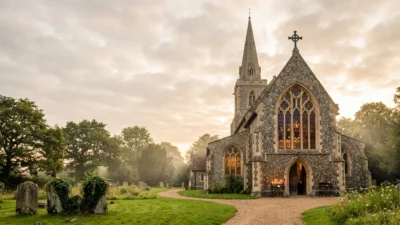
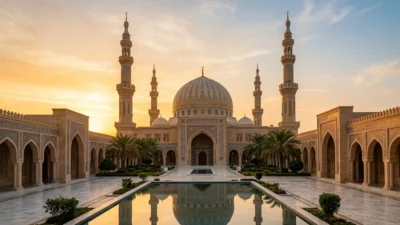
A holy place is often associated with worship, reflection, pilgrimage, history, or spiritual experience. Sacred spaces can encourage people to pause and connect with their beliefs.
Best for: Understanding places of worship.
Alternative: Sacred space symbolism.
Examples:
A temple can symbolize devotion and community.
A quiet prayer space can encourage reflection and peace.
27. Holy Symbolism in Nature
Nature itself can be seen as a source of sacred meaning. Seasons, rivers, forests, animals, and stars can inspire reflection on life and spirituality.
Best for: Nature and spiritual reflection.
Alternative: Natural sacred symbolism.
Examples:
Spring can symbolize renewal and rebirth.
A flowing river can symbolize change and the journey of life.
28. Holy Symbols in Art
Religious and sacred art uses images, patterns, colors, and objects to communicate stories, beliefs, and spiritual ideas.
Best for: Art interpretation and cultural learning.
Alternative: Sacred art symbolism.
Examples:
A halo can identify a holy figure in artwork.
A sacred pattern can represent harmony and spiritual order.
29. Holy Symbolism in Everyday Life
Sacred meaning is not limited to temples, churches, or ceremonies. Many people find symbolism in simple acts, objects, and moments that remind them of their values.
Best for: Applying spiritual meaning to daily life.
Alternative: Everyday sacred symbolism.
Examples:
Lighting a candle can create a moment of reflection.
Giving bread to someone can symbolize generosity and care.
30. Personal Interpretation of Holy Symbols
Personal experiences can shape how someone connects with a sacred symbol. Respecting cultural and religious origins is important while exploring personal meaning.
Best for: Personal reflection and spiritual exploration.
Alternative: Individual spiritual symbolism.
Examples:
A person may see a tree as a reminder to stay grounded.
A candle may become a personal symbol of hope during difficult times.
FAQs:
What is holy symbolism?
Holy symbolism is the use of objects, images, colors, animals, numbers, places, and rituals to represent sacred beliefs, spiritual ideas, or divine concepts.
Why are holy symbols important?
Holy symbols help communicate complex beliefs in a visual and memorable way. They can also create a sense of connection, identity, reflection, and shared tradition.
Do holy symbols have the same meaning in every religion?
No. A symbol can have very different meanings depending on the religion, culture, historical period, and specific context in which it is used.
What are some common examples of holy symbolism?
Common examples include light, water, fire, the cross, the dove, the lotus, sacred trees, mountains, circles, hearts, and various colors.
Can a person have a personal holy symbol?
Yes. People may personally connect with symbols that remind them of hope, faith, love, purpose, or spiritual growth. However, it is important to respect the established meaning of symbols belonging to specific cultures and religions.
Conclusion
Holy symbolism helps people explore faith, spirituality, culture, and the deeper meanings attached to the world around them. From light and water to sacred animals, colors, places, and religious objects, symbols can communicate ideas of hope, purity, protection, wisdom, transformation, and divine connection.
As you explore sacred symbolism, consider both the traditional meaning and the cultural context behind each symbol. You can also reflect on which images or objects hold personal meaning in your own life. A deeper understanding of holy symbols can open the door to greater cultural awareness, thoughtful reflection, and spiritual appreciation.

Julian Carter is a writer, poet, and scholar whose work explores culture, identity, history, and human connection. Through thoughtful storytelling and creative insight, he inspires readers to reflect on relationships, memory, and personal transformation.