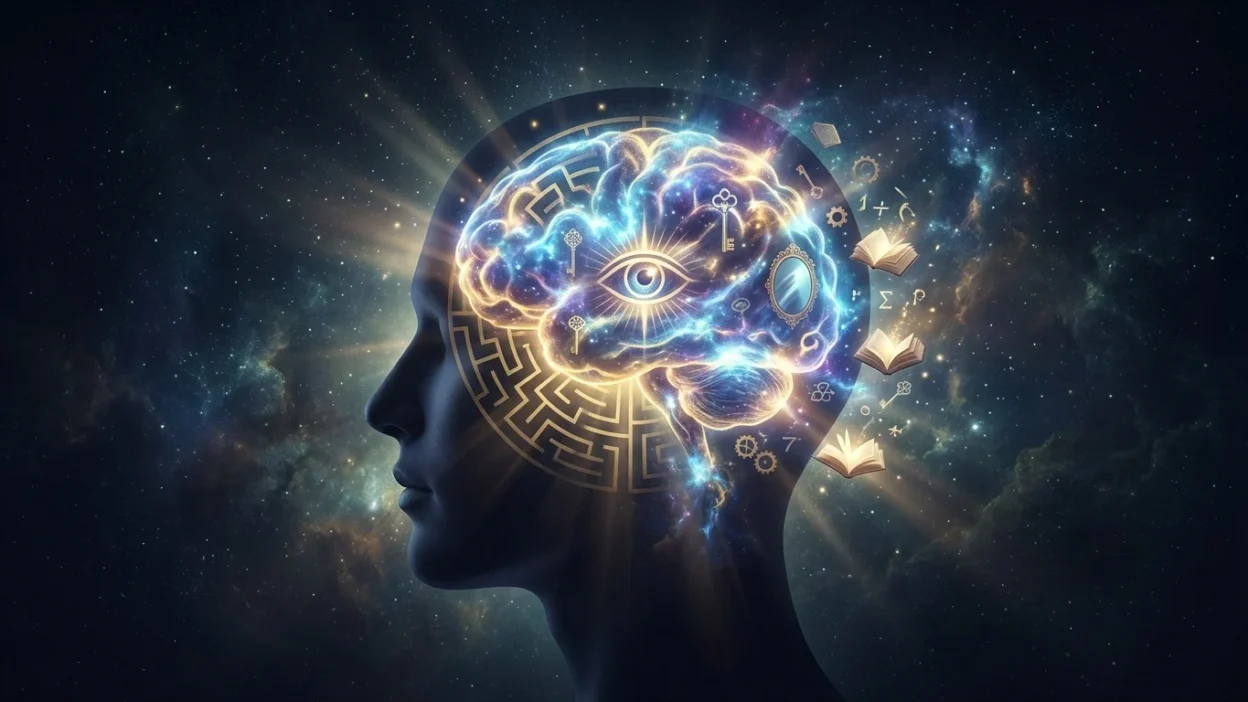
Mind symbolism explores how the mind represents thought, awareness, intelligence, imagination, memory, and inner understanding. Across cultures, religions, philosophy, literature, and art, the mind is often used as a symbol of the invisible world within us—the place where ideas, emotions, beliefs, and personal identity take shape.
Understanding mind symbolism can help you interpret dreams, stories, symbols, spiritual teachings, artwork, and everyday expressions. If the mind is represented by a brain, light, eye, maze, mirror, or open door, each symbol can reveal something about human consciousness and the journey of self-discovery.
1. Mind Symbolism as a Sign of Intelligence
The mind is commonly associated with intelligence, reasoning, and the ability to understand the world. It represents our power to analyze information and make thoughtful decisions.
Best for: Understanding wisdom and intellectual symbolism.
Alternative: Brain symbolism, intelligence symbolism.
Examples:
A glowing brain can symbolize powerful ideas and intelligence.
A thoughtful character in a story may represent the strength of the human mind.
2. Mind Symbolism and Consciousness
The mind can symbolize consciousness—the awareness of ourselves, other people, and the world around us. It reminds us that human experience begins with perception.
Best for: Exploring awareness and self-understanding.
Alternative: Consciousness symbolism, awareness symbolism.
Examples:
An open eye can symbolize an awakened mind.
A person waking from darkness may represent growing consciousness.
3. The Mind as a Symbol of Imagination
Imagination is one of the most creative aspects of the mind. Symbolically, it represents possibilities that do not yet exist in the physical world.
Best for: Creativity, art, and personal inspiration.
Alternative: Creativity symbolism, dream symbolism.
Examples:
Clouds changing into fantastic shapes can symbolize imagination.
A child imagining a new world may represent the limitless mind.
4. Mind Symbolism as Inner Wisdom
The mind can also represent inner wisdom and the ability to learn from experience. A calm and thoughtful mind is often associated with good judgment.
Best for: Personal growth and decision-making.
Alternative: Wisdom symbolism, inner guidance.
Examples:
An unless sage may symbolize a wise and experienced mind.
A quiet library can represent accumulated knowledge and wisdom.
5. The Mind as a Symbol of Memory
Memory connects the present with the past. In symbolism, the mind can represent stored experiences, relationships, lessons, and personal history.
Best for: Exploring the past and emotional memories.
Alternative: Memory symbolism, remembrance symbolism.
Examples:
An old photograph can symbolize memories held in the mind.
A locked box may represent forgotten experiences.
6. Mind Symbolism and Knowledge
The mind is often viewed as a container or source of knowledge. Books, libraries, and light are frequently connected with learning and mental development.
Best for: Education and intellectual growth.
Alternative: Knowledge symbolism, learning symbolism.
Examples:
A book opening can symbolize the expansion of the mind.
A library may represent a mind filled with knowledge.
7. The Mind as an Open Door
An open door is a powerful symbol of an open mind. It suggests curiosity, acceptance, and a willingness to explore unfamiliar ideas.
Best for: Personal development and new perspectives.
Alternative: Open-mindedness symbolism.
Examples:
Walking through an open door can symbolize accepting a new idea.
An unlocked gate may represent mental freedom.
8. Mind Symbolism as Mental Freedom
A free mind is often associated with independence and the ability to think beyond limitations. It represents freedom from unnecessary fear, control, or rigid beliefs.
Best for: Self-expression and independent thinking.
Alternative: Freedom symbolism, liberation symbolism.
Examples:
A bird flying from a cage can symbolize mental freedom.
Breaking chains may represent freedom from limiting thoughts.
9. The Mind as a Maze
A maze can symbolize the complexity of the human mind. Thoughts, memories, questions, and emotions may sometimes feel confusing or difficult to navigate.
Best for: Exploring confusion and self-discovery.
Alternative: Labyrinth symbolism, complexity symbolism.
Examples:
A person walking through a maze may represent searching for answers.
A complicated path can symbolize a difficult thought process.
10. Mind Symbolism and Problem-Solving
The mind represents the ability to face challenges and search for solutions. Symbolically, this is often shown through puzzles, keys, and pathways.
Best for: Challenges and intellectual growth.
Alternative: Puzzle symbolism, solution symbolism.
Examples:
Solving a puzzle can symbolize overcoming a mental challenge.
Finding a key may represent discovering an important answer.
11. The Mind as a Light
Light is one of the strongest symbols connected with the mind. It represents understanding, clarity, knowledge, and moments of realization.
Best for: Enlightenment and new understanding.
Alternative: Light symbolism, clarity symbolism.
Examples:
A light bulb can symbolize a new idea.
Sunlight entering a dark room may represent mental clarity.
12. Mind Symbolism and Enlightenment
In spiritual and philosophical traditions, the awakened mind often symbolizes enlightenment. It represents moving beyond ignorance toward deeper understanding.
Best for: Spiritual reflection and self-discovery.
Alternative: Awakening symbolism, spiritual awareness.
Examples:
A person meditating may symbolize an awakened mind.
A sunrise can represent the beginning of spiritual understanding.
13. The Mind as a Mirror
A mirror can symbolize self-reflection and the ability to examine one’s thoughts and beliefs. It encourages honesty and deeper awareness.
Best for: Self-reflection and personal insight.
Alternative: Mirror symbolism, self-awareness symbolism.
Examples:
Looking into a mirror may represent examining your inner thoughts.
A clear reflection can symbolize an honest understanding of yourself.
14. Mind Symbolism and Perception
The mind shapes how we interpret what we see and experience. Two people can face the same situation yet understand it differently.
Best for: Understanding perspective and interpretation.
Alternative: Perception symbolism, viewpoint symbolism.
Examples:
Two people seeing different images in the same cloud can symbolize perception.
A changing optical illusion can represent the mind’s interpretation.
15. The Mind as a Garden
A garden can symbolize the mind because thoughts can be planted, nurtured, or removed. Positive ideas may grow when they receive attention.
Best for: Personal growth and positive thinking.
Alternative: Garden symbolism, growth symbolism.
Examples:
Planting seeds can symbolize developing new ideas.
Removing weeds may represent letting go of harmful thoughts.
16. Mind Symbolism and Emotional Balance
Although emotions are often associated with the heart, the mind also plays an important role in understanding and managing feelings.
Best for: Emotional awareness and balance.
Alternative: Inner balance symbolism, harmony symbolism.
Examples:
Calm water can symbolize a peaceful state of mind.
A balanced scale may represent emotional and mental stability.
17. The Mind as a Source of Dreams
Dreams are closely connected with the mysterious workings of the mind. They can symbolize hidden wishes, fears, memories, and imagination.
Best for: Dream interpretation and inner exploration.
Alternative: Dream symbolism, subconscious symbolism.
Examples:
Flying in a dream may symbolize freedom of thought.
A mysterious door in a dream may represent the unknown mind.
18. Mind Symbolism and the Subconscious
The subconscious mind symbolizes thoughts and memories that may exist beneath everyday awareness. It is often represented by deep water, shadows, or hidden rooms.
Best for: Exploring hidden thoughts and emotions.
Alternative: Subconscious symbolism, shadow symbolism.
Examples:
An underwater world can symbolize the subconscious mind.
A hidden room may represent forgotten memories.
19. The Mind as a Bridge Between Ideas
The mind connects different pieces of information and creates new understanding. A bridge can therefore symbolize mental connection and insight.
Best for: Learning and connecting ideas.
Alternative: Bridge symbolism, connection symbolism.
Examples:
A bridge between two islands can symbolize linking different thoughts.
Connecting puzzle pieces may represent gaining understanding.
20. Mind Symbolism and Curiosity
Curiosity represents the mind’s desire to explore, question, and discover. It encourages people to move beyond what they already know.
Best for: Learning and exploration.
Alternative: Curiosity symbolism, discovery symbolism.
Examples:
A child asking questions can symbolize an active mind.
Opening a mysterious box may represent curiosity and discovery.
21. The Mind as a Symbol of Focus
A focused mind represents concentration, discipline, and direction. It symbolizes the ability to give attention to what truly matters.
Best for: Productivity and goal-setting.
Alternative: Focus symbolism, concentration symbolism.
Examples:
An arrow hitting a target can symbolize mental focus.
A person studying quietly may represent concentration.
22. Mind Symbolism and Overthinking
A busy or crowded mind can symbolize overthinking. Repeating thoughts, tangled lines, or storms may represent mental confusion and worry.
Best for: Understanding mental clutter and inner conflict.
Alternative: Chaos symbolism, confusion symbolism.
Examples:
A tangled ball of thread can symbolize complicated thoughts.
A storm cloud may represent a restless mind.
23. The Mind as a Symbol of Transformation
The mind can change through learning, experience, and reflection. This makes it a powerful symbol of transformation and personal evolution.
Best for: Growth and life changes.
Alternative: Transformation symbolism, change symbolism.
Examples:
A butterfly emerging from a cocoon can symbolize a transformed mindset.
A changing landscape may represent new ways of thinking.
24. Mind Symbolism in Spiritual Traditions
Many spiritual traditions encourage people to understand, discipline, or quiet the mind. A peaceful mind may symbolize inner awareness and connection with something greater.
Best for: Spiritual study and meditation.
Alternative: Spiritual symbolism, inner peace symbolism.
Examples:
Meditation can symbolize calming the wandering mind.
A still lake may represent deep inner awareness.
25. Mind Symbolism in Religion
Religious teachings often connect the mind with wisdom, discernment, reflection, and moral understanding. The meaning can vary depending on the tradition and cultural context.
Best for: Religious and cultural interpretation.
Alternative: Sacred symbolism, wisdom symbolism.
Examples:
Prayerful reflection may symbolize seeking guidance through the mind.
A sacred book can represent the pursuit of wisdom and understanding.
26. The Mind in Literature and Art
Writers and artists often use symbolic images to represent the inner world. Mirrors, masks, labyrinths, windows, and dreams can all reveal the complexity of the mind.
Best for: Literary and artistic interpretation.
Alternative: Psychological symbolism, artistic symbolism.
Examples:
A mask can symbolize hidden thoughts or identity.
A winding road may represent a character’s mental journey.
27. Mind Symbolism as Personal Identity
Our thoughts, memories, beliefs, and experiences help shape our sense of identity. Symbolically, the mind can represent the question, “Who am I?”
Best for: Self-discovery and identity exploration.
Alternative: Identity symbolism, self symbolism.
Examples:
A fragmented portrait can symbolize a changing identity.
A journal may represent the development of personal understanding.
28. The Mind as an Infinite Universe
The mind is sometimes compared to the universe because of its depth, creativity, and seemingly endless possibilities.
Best for: Imagination and philosophical reflection.
Alternative: Universe symbolism, infinite potential.
Examples:
Stars appearing around a person’s head can symbolize limitless ideas.
A galaxy can represent the vastness of human imagination.
29. Mind Symbolism and Inner Peace
A calm mind often symbolizes peace, acceptance, and emotional stability. It reminds us that clarity can sometimes come through stillness.
Best for: Mindfulness and peaceful reflection.
Alternative: Peace symbolism, calmness symbolism.
Examples:
A quiet mountain lake can symbolize a peaceful mind.
A person sitting peacefully beneath a tree may represent inner calm.
30. What Does Mind Symbolism Mean in Everyday Life?
In everyday life, mind symbolism can remind us to pay attention to our thoughts, perspectives, and beliefs. The symbols we encounter can encourage curiosity, wisdom, creativity, focus, and self-awareness.
Best for: Applying symbolism to daily life.
Alternative: Personal symbolism, self-awareness symbolism.
Examples:
Keeping a journal can symbolize exploring your inner world.
Lighting a candle before reflection may represent seeking mental clarity.
FAQs:
What is mind symbolism?
Mind symbolism refers to the use of images, objects, ideas, and metaphors to represent thought, intelligence, consciousness, memory, imagination, and the inner world.
What symbolizes the mind?
Common symbols of the mind include the brain, light bulb, eye, mirror, maze, book, key, door, garden, and open sky. Their meanings depend on the cultural or personal context.
What does a maze symbolize in relation to the mind?
A maze often symbolizes the complexity of thoughts and emotions. It can represent confusion, self-discovery, problem-solving, or the search for clarity.
What is the spiritual meaning of the mind?
Spiritually, the mind may symbolize awareness, awakening, inner wisdom, and the journey toward greater understanding. Different traditions interpret this idea in different ways.
How can I use mind symbolism in my daily life?
You can use mind-related symbols in journaling, artwork, meditation, storytelling, or personal reflection. Choose symbols that connect with your own thoughts, goals, and experiences.
Conclusion
Mind symbolism offers a meaningful way to explore intelligence, consciousness, imagination, memory, wisdom, and personal growth. From a glowing light that represents understanding to a maze that reflects confusion, symbols help make the invisible world of thought easier to understand.
The most important thing to remember is that symbolism is often personal as well as cultural. Consider what a symbol means in its original context, but also reflect on what it awakens within you. Exploring the symbolism of the mind can become a powerful path toward greater self-awareness, creativity, clarity, and understanding.

Sofia Harper is a dedicated writer and language enthusiast who enjoys exploring the meanings behind symbols, signs, and cultural icons. Through engaging and well-researched content, she helps readers uncover fascinating insights and hidden symbolism from around the world.