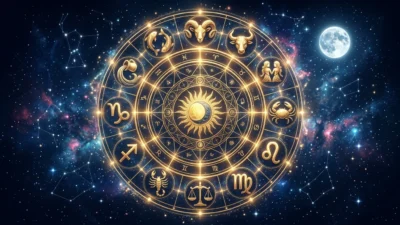
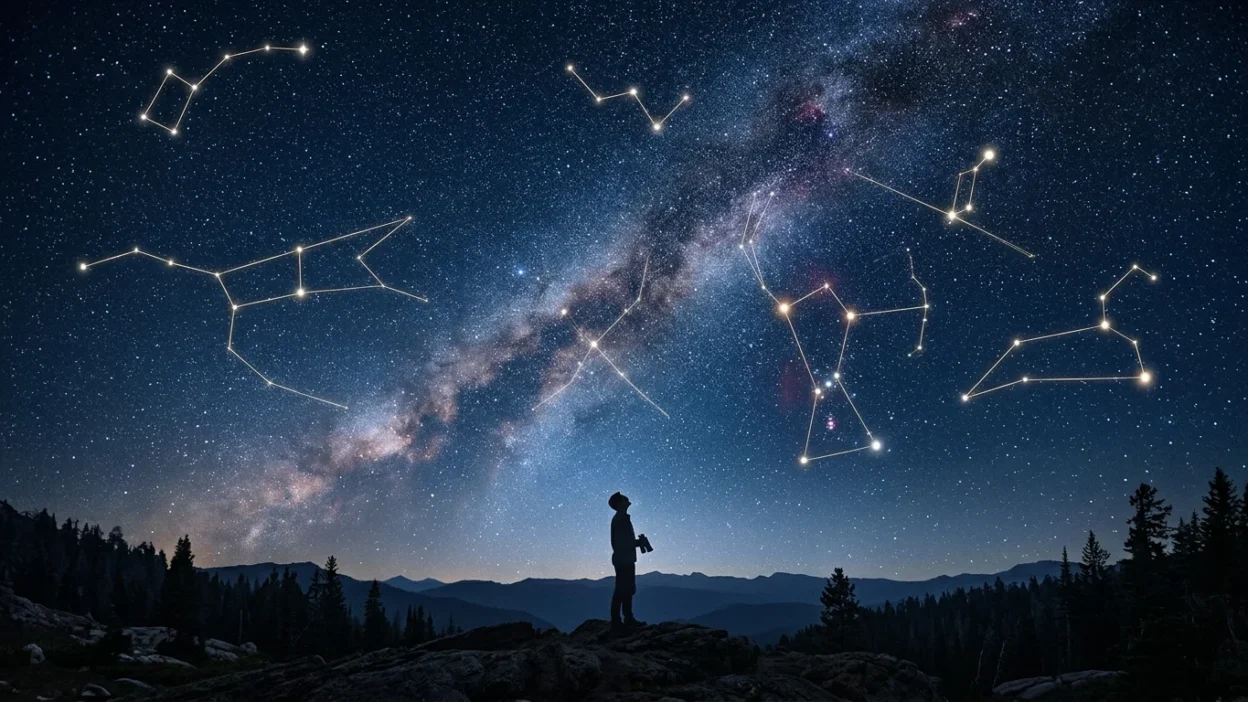
Star constellation symbolism explores the meanings people have attached to patterns of stars across different cultures, religions, myths, and personal beliefs. For thousands of years, humans have looked at the night sky and connected constellations with stories of heroes, animals, gods, journeys, and mysteries.
Today, star constellation symbolism can still feel meaningful. A constellation may represent guidance, destiny, protection, courage, transformation, or a connection to something greater than ourselves. While these meanings are cultural and symbolic rather than scientifically proven, they can offer a beautiful way to understand mythology, history, spirituality, and personal reflection.
1. Star Constellation Symbolism and Guidance
Best for: Understanding stars as symbols of direction and purpose.
Alternative: Think of constellations as reminders to stay focused during uncertain times.
Examples:
- The North Star has traditionally represented reliable guidance.
- A constellation appearing overhead can symbolize finding your way forward.
Constellations have long helped people navigate. Symbolically, this makes them powerful images of direction, hope, and inner guidance.
2. Star Constellation Symbolism and Destiny
Best for: Exploring ideas about fate and life purpose.
Alternative: Use constellation imagery as a metaphor for life’s journey.
Examples:
- A constellation can represent a path that gradually becomes clearer.
- A group of stars can symbolize important events coming together.
In symbolic traditions, the stars are sometimes viewed as reflecting destiny. This does not mean they control your future; instead, they can represent the mysteries surrounding life’s journey.
3. Orion Constellation Symbolism
Best for: Exploring courage, strength, and heroic mythology.
Alternative: Use Orion as a symbol of determination.
Examples:
- Orion can represent a person facing challenges bravely.
- Its recognizable shape can symbolize confidence and strength.
Orion is one of the most recognizable constellations and has inspired numerous myths. Its symbolism often connects with the hunter, bravery, adventure, and perseverance.
4. Ursa Major Symbolism
Best for: Understanding protection, navigation, and endurance.
Alternative: See the Great Bear as a symbol of stability.
Examples:
- Ursa Major can represent guidance during a difficult journey.
- The constellation can symbolize strength that remains steady over time.
Known as the Great Bear, Ursa Major has different stories across cultures. Its association with prominent northern stars also gives it strong symbolic connections to navigation.
5. Ursa Minor and the North Star
Best for: Symbolizing stability and dependable guidance.
Alternative: Use Polaris as an image of staying grounded.
Examples:
- Polaris can represent a trusted guide.
- A fixed point in the night sky can symbolize emotional steadiness.
Ursa Minor contains Polaris, the North Star. Because Polaris appears close to the celestial north pole, it has become a lasting symbol of orientation and reliability.
6. Cassiopeia Symbolism
Best for: Exploring pride, beauty, and self-awareness.
Alternative: Use Cassiopeia to reflect on confidence and humility.
Examples:
- Cassiopeia can symbolize confidence that needs balance.
- Its distinctive W or M shape can represent individuality.
In Greek mythology, Cassiopeia was a queen whose story is connected with pride and consequence. Symbolically, she can represent both self-confidence and the importance of humility.
7. Leo Constellation Symbolism
Best for: Understanding courage, leadership, and confidence.
Alternative: Use the lion as a symbol of personal strength.
Examples:
- Leo can represent standing up for yourself.
- The constellation may symbolize leadership during challenging situations.
Leo is associated with the lion in many traditions and is connected to the myth of the Nemean Lion. Its symbolism naturally includes strength, bravery, leadership, and authority.
8. Scorpius Constellation Symbolism
Best for: Exploring transformation, danger, and resilience.
Alternative: Think of the scorpion as a symbol of protection.
Examples:
- Scorpius can symbolize overcoming hidden threats.
- Its connection with mythology can represent the consequences of conflict.
Scorpius has a striking curved shape and is linked with the scorpion in ancient mythology. Symbolically, it can represent defense, intensity, transformation, and survival.
9. Sagittarius Symbolism
Best for: Representing adventure, exploration, and freedom.
Alternative: Use the archer as a symbol of setting goals.
Examples:
- Sagittarius can represent aiming toward a meaningful objective.
- It can symbolize a desire to explore unfamiliar places.
The archer imagery associated with Sagittarius makes this constellation particularly suitable for themes of ambition, exploration, wisdom, and discovery.
10. Gemini Constellation Symbolism
Best for: Understanding relationships, duality, and companionship.
Alternative: Use Gemini to represent complementary personalities.
Examples:
- Two stars can symbolize close siblings or friends.
- Gemini can represent balancing two sides of yourself.
Gemini is associated with the twins Castor and Pollux in Greek mythology. Its symbolism often centers on brotherhood, friendship, duality, and connection.
11. Pisces Constellation Symbolism
Best for: Exploring emotional connection and spiritual depth.
Alternative: Use fish symbolism to represent adaptability.
Examples:
- Two fish can represent two connected life paths.
- Pisces can symbolize moving through emotional changes.
Pisces is represented by fish and is often associated symbolically with intuition, sensitivity, connection, and adaptability.
12. Taurus Constellation Symbolism
Best for: Representing strength, patience, and determination.
Alternative: Use the bull as a symbol of grounded energy.
Examples:
- Taurus can symbolize standing firmly through adversity.
- The bull can represent persistence toward a goal.
The bull is an ancient and powerful symbolic image. Taurus therefore commonly evokes strength, stability, patience, fertility, and determination.
13. Virgo Constellation Symbolism
Best for: Exploring wisdom, purity, growth, and responsibility.
Alternative: Think of Virgo as a symbol of careful attention.
Examples:
- Virgo can represent thoughtful decision-making.
- Its traditional maiden imagery can symbolize growth and renewal.
Virgo is one of the zodiac constellations and has associations with maiden figures in mythology. Its symbolic interpretations can include wisdom, harvest, renewal, and carefulness.
14. Libra Constellation Symbolism
Best for: Representing balance, fairness, and harmony.
Alternative: Use scales as a symbol of thoughtful choices.
Examples:
- Libra can symbolize finding balance between competing needs.
- The scales can represent fairness in relationships.
Libra is represented by scales, making its symbolism especially connected with justice, equilibrium, harmony, and fairness.
15. Capricornus Symbolism
Best for: Exploring ambition, discipline, and perseverance.
Alternative: Use Capricornus as a metaphor for climbing toward success.
Examples:
- A mountain-climbing journey can symbolize personal ambition.
- Capricornus can represent patience during long-term goals.
Capricornus is traditionally represented by a sea-goat. Its symbolic themes often involve persistence, responsibility, ambition, and overcoming obstacles.
16. Aquarius Constellation Symbolism
Best for: Exploring creativity, generosity, and renewal.
Alternative: Use water imagery to represent emotional or spiritual flow.
Examples:
- Pouring water can symbolize sharing knowledge.
- Aquarius can represent bringing fresh ideas into a community.
Aquarius is associated with the water-bearer. Its symbolic imagery can suggest giving, renewal, knowledge, creativity, and collective progress.
17. Cancer Constellation Symbolism
Best for: Understanding protection, family, and emotional connection.
Alternative: Use the crab as a symbol of resilience.
Examples:
- A protective shell can symbolize emotional boundaries.
- Cancer can represent staying connected to family roots.
Cancer is traditionally represented by a crab. The crab’s protective shell makes it an intuitive symbol for security, family, sensitivity, and resilience.
18. Aries Constellation Symbolism
Best for: Representing beginnings, courage, and initiative.
Alternative: Use the ram as a symbol of determination.
Examples:
- Aries can symbolize starting a new project.
- The ram can represent moving forward despite resistance.
As the ram, Aries carries associations with boldness, initiative, courage, and new beginnings.
19. Star Constellations and Ancient Mythology
Best for: Understanding where constellation symbolism comes from.
Alternative: Explore Greek, Egyptian, Chinese, and Indigenous sky traditions.
Examples:
- Greek myths explain many familiar constellation names.
- Different cultures developed their own celestial stories and patterns.
Constellations are deeply connected to mythology. Ancient civilizations used the sky to preserve stories, explain natural cycles, and create cultural connections between Earth and the heavens.
20. Star Constellation Symbolism in Spirituality
Best for: Personal reflection and spiritual exploration.
Alternative: Treat constellations as symbolic rather than literal spiritual messages.
Examples:
- A constellation can remind someone of hope.
- Looking at stars can inspire feelings of peace and wonder.
In spiritual contexts, constellations may symbolize higher awareness, interconnectedness, mystery, guidance, and transcendence. These meanings depend greatly on individual beliefs.
21. Constellations as Symbols of Hope
Best for: Finding positive meaning during difficult periods.
Alternative: Use stars as reminders that darkness does not last forever.
Examples:
- A bright constellation can symbolize hope during uncertainty.
- A familiar star pattern can represent something dependable.
The contrast between bright stars and the dark sky makes celestial imagery naturally powerful. Constellations can remind us that small points of light can still be meaningful in darkness.
22. Constellations and Personal Transformation
Best for: Reflecting on change and personal growth.
Alternative: View the night sky as a metaphor for life’s changing patterns.
Examples:
- Seeing a constellation after a difficult period can symbolize a fresh perspective.
- A changing life chapter can be compared with discovering a new star pattern.
Constellations are patterns we recognize among individual stars. Symbolically, this can represent how separate experiences eventually form a meaningful picture.
23. Constellations and Protection
Best for: Exploring protective symbolism.
Alternative: Use guardian-star imagery in personal artwork.
Examples:
- A constellation can represent watching over someone.
- A celestial symbol can be used in a keepsake honoring a loved one.
Many cultures have interpreted celestial objects as connected with ancestors, deities, or protective forces. In modern symbolism, constellations can therefore represent care, remembrance, and protection.
24. Constellation Symbolism in Dreams
Best for: Personal dream reflection.
Alternative: Interpret the emotional feeling of the dream alongside the constellation.
Examples:
- Dreaming of bright stars may feel connected with hope or possibility.
- A hidden constellation may symbolize discovering something previously overlooked.
Dream meanings are highly personal and are not scientifically fixed. A constellation in a dream may simply reflect your experiences, memories, interests, or emotions.
25. Constellation Symbolism in Tattoos
Best for: Choosing meaningful celestial tattoo concepts.
Alternative: Combine a constellation with another personal symbol.
Examples:
- Orion can represent courage and determination.
- A zodiac constellation can represent identity or a meaningful life period.
Constellation tattoos are popular because they can carry both visual beauty and personal meaning. The best symbolism is usually the meaning that genuinely connects with your own story.
26. Constellations in Art and Literature
Best for: Understanding celestial imagery in creative works.
Alternative: Study how artists use stars to represent mystery and imagination.
Examples:
- A constellation can symbolize an unreachable dream in poetry.
- Star patterns can represent destiny in visual art.
Writers and artists often use constellations to explore love, distance, memory, destiny, mystery, and the relationship between humanity and the universe.
27. Constellations and Navigation
Best for: Understanding the practical roots of star symbolism.
Alternative: Explore celestial navigation and traditional wayfinding.
Examples:
- Polaris has been used as a directional reference in the Northern Hemisphere.
- Sailors historically relied on stars as part of navigation practices.
The practical role of stars helped create their symbolic association with direction, safety, travel, and discovery.
28. Constellations and Human Connection
Best for: Exploring relationships and shared experiences.
Alternative: Use a constellation as a metaphor for people connected across distance.
Examples:
- A group of stars can symbolize a close family.
- Matching constellation designs can represent friendship or shared memories.
A constellation is a pattern created from separate points of light. That makes it a beautiful metaphor for how individual people can form a meaningful community.
29. Choosing a Constellation With Personal Meaning
Best for: Finding a constellation for art, jewelry, tattoos, or reflection.
Alternative: Choose based on mythology, appearance, or personal memories.
Examples:
- Pick Orion if its story of strength speaks to you.
- Choose Ursa Major if guidance and navigation feel meaningful.
There is no single universal interpretation. Consider the constellation’s mythology, cultural history, visual appearance, and what it personally represents to you.
30. The Deeper Meaning of Star Constellation Symbolism
Best for: Bringing different interpretations together.
Alternative: Think of constellations as stories written across the night sky.
Examples:
- A constellation can represent guidance during change.
- A familiar star pattern can symbolize connection across time and distance.
Ultimately, star constellation symbolism reminds us that humans naturally search for patterns and meaning. The stars may be billions of years old, but the stories we create around them continue to evolve.
FAQs:
1. What does star constellation symbolism mean?
Star constellation symbolism refers to the meanings, stories, beliefs, and cultural associations connected with recognizable patterns of stars.
2. What constellation symbolizes guidance?
Polaris, within Ursa Minor, is strongly associated with guidance and navigation because of its position near the celestial north pole.
3. What constellation symbolizes strength?
Orion and Leo are commonly interpreted through themes of strength, courage, bravery, and determination, especially because of their mythological associations.
4. Can constellations have spiritual meanings?
Yes. Some people view constellations as symbols of guidance, connection, mystery, hope, or spiritual reflection. These interpretations vary between cultures and individuals.
5. What is the most meaningful constellation?
There is no single most meaningful constellation. The best choice depends on the symbolism, mythology, personal memories, and cultural meaning that resonate with you.
Conclusion
Star constellation symbolism brings together astronomy, mythology, history, spirituality, art, and human imagination. From Orion’s courage to Polaris’s guidance, different constellations have inspired people to tell stories and search for meaning in the night sky.
The most important thing to remember is that symbolic meanings are not universal facts. They change across cultures and personal beliefs. If a particular constellation speaks to you, explore its history and mythology, then decide what it represents in your own life. Sometimes, simply looking upward can be a powerful reminder that even in darkness, there is something worth noticing.