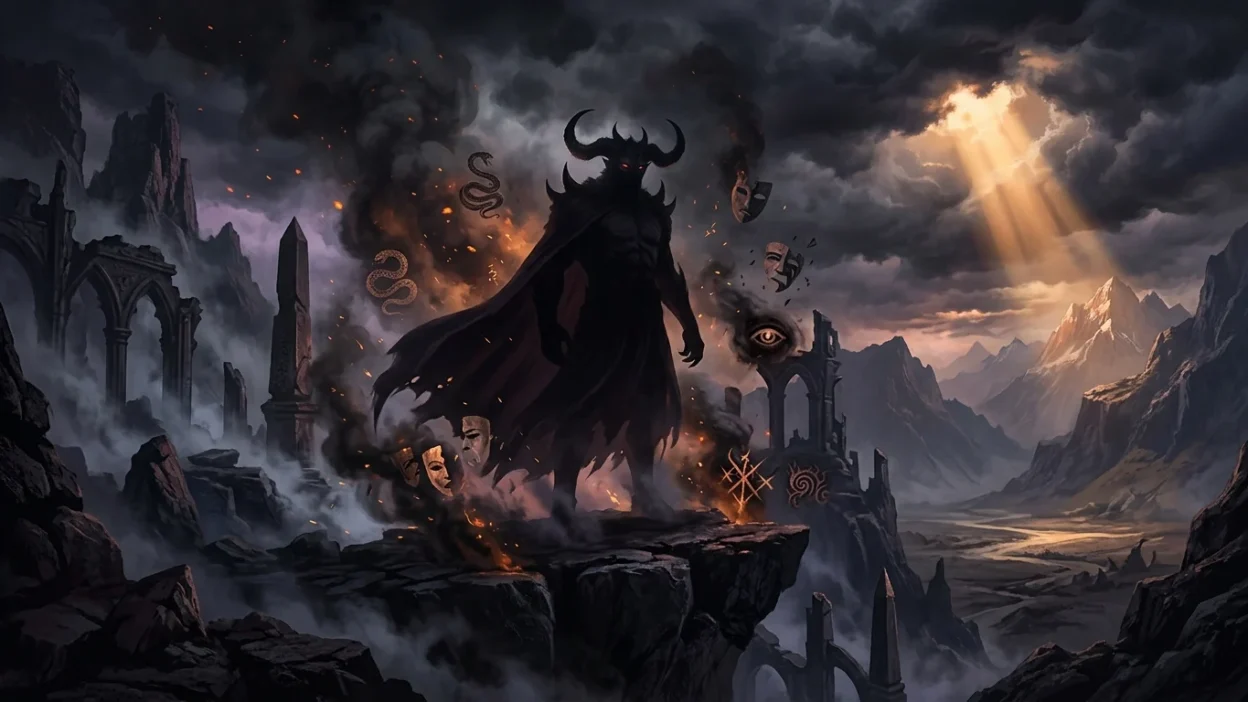
Demon symbolism explores the meanings people attach to demons in religion, mythology, literature, art, dreams, and popular culture. While demons are often associated with evil, darkness, temptation, and fear, their symbolic meaning can be much broader. They may represent inner struggles, destructive habits, forbidden desires, chaos, or the darker side of human nature.
Understanding demon symbolism does not require believing that demons are real. Symbols can reflect emotions, cultural beliefs, spiritual ideas, and personal experiences. From ancient myths to modern movies and dream interpretation, demons continue to represent the powerful conflicts people face both within themselves and in the world around them.
1. Demon Symbolism as a Sign of Inner Darkness
Demons often symbolize the hidden or darker parts of the human personality. They can represent anger, jealousy, hatred, guilt, or emotions people struggle to control.
Best for: Understanding personal struggles and shadow symbolism.
Alternative: Shadow self, inner conflict, dark side.
Examples:
- A demon in a story may represent a character’s uncontrolled anger.
- A frightening demon in a dream may symbolize emotions someone has been avoiding.
2. Demon Symbolism and Temptation
One of the most common meanings of demons is temptation. They may symbolize distractions or desires that pull a person away from their values or goals.
Best for: Exploring moral choices and personal discipline.
Alternative: Seduction, desire, moral conflict.
Examples:
- A demon tempting a hero can symbolize the struggle to make the right choice.
- Someone may describe a harmful habit as their “personal demon.”
3. Demons as Symbols of Fear
Demons often represent deep fears, especially fears that feel difficult to understand or control.
Best for: Fear symbolism and emotional interpretation.
Alternative: Anxiety, dread, hidden fear.
Examples:
- A monstrous demon may symbolize fear of the unknown.
- A nightmare demon may reflect a stressful situation in waking life.
4. Demon Symbolism and Evil
In many religious and cultural traditions, demons symbolize destructive or harmful forces. They are often used as symbols of moral evil.
Best for: Religious and ethical symbolism.
Alternative: Darkness, wickedness, corruption.
Examples:
- A demon in a religious painting may represent the consequences of destructive behavior.
- A fictional villain may be described as demonic to emphasize cruelty.
5. Demons as a Symbol of Inner Conflict
A demon can represent a battle within the mind or heart. This symbolism is especially common in literature and psychology-inspired storytelling.
Best for: Personal growth and emotional storytelling.
Alternative: Internal struggle, divided self, conflict.
Examples:
- A character fights a demon while struggling with guilt.
- An artist uses a demon figure to represent addiction or obsession.
6. Demon Symbolism and Chaos
Demons may symbolize disorder, destruction, and forces that challenge stability.
Best for: Mythology and symbolic storytelling.
Alternative: Chaos, disorder, disruption.
Examples:
- A demon destroys a peaceful kingdom in a myth.
- A chaotic demon represents a situation that feels out of control.
7. Demons as Symbols of Forbidden Desires
Sometimes demon symbolism represents desires that society, religion, or an individual considers dangerous or unacceptable.
Best for: Literature, art, and psychological interpretation.
Alternative: Repression, forbidden longing, hidden desire.
Examples:
- A demon tempts a character to abandon social rules.
- A painting may use a demon to represent suppressed desires.
8. Demon Symbolism and Addiction
The phrase “fighting your demons” is often used to describe struggles with addiction or destructive habits.
Best for: Metaphorical discussions of personal challenges.
Alternative: Compulsion, dependency, destructive habit.
Examples:
- A person may call gambling their demon.
- A novel may portray addiction as a monster following the main character.
9. Demons as Symbols of Guilt
A demon may represent guilt that continues to trouble a person.
Best for: Dream analysis and character development.
Alternative: Remorse, regret, conscience.
Examples:
- A character sees a demon after making a harmful decision.
- A recurring nightmare figure symbolizes unresolved guilt.
10. Demon Symbolism and Anger
Demons can represent uncontrolled rage and destructive emotional energy.
Best for: Exploring intense emotions.
Alternative: Fury, aggression, rage.
Examples:
- A red demon may symbolize explosive anger.
- A character transforms into a monster when unable to control rage.
11. Demons as Symbols of Death
In some myths and stories, demons are connected with death, the underworld, or the fear of mortality.
Best for: Mythological and existential symbolism.
Alternative: Mortality, underworld, the unknown.
Examples:
- A demon guarding an underworld symbolizes fear of death.
- A dark figure in art may represent the mystery surrounding mortality.
12. Demon Symbolism and Transformation
Not every demon symbol represents permanent evil. In some stories, confronting a demon leads to change and personal growth.
Best for: Stories about healing and transformation.
Alternative: Change, awakening, self-discovery.
Examples:
- A hero defeats a demon and becomes emotionally stronger.
- Facing a symbolic demon helps a character overcome fear.
13. Demons as Symbols of the Shadow Self
The shadow self represents the parts of personality that people may hide, deny, or dislike.
Best for: Psychological symbolism and self-reflection.
Alternative: Hidden self, unconscious mind, suppressed traits.
Examples:
- A demon double represents a character’s hidden personality.
- A dream demon may symbolize an emotion the dreamer refuses to acknowledge.
14. Demon Symbolism in Dreams
Dreams involving demons can have different meanings depending on the dreamer’s feelings and life circumstances.
Best for: Personal dream reflection.
Alternative: Nightmare symbolism, subconscious imagery.
Examples:
- Being chased by a demon may reflect avoidance of a problem.
- Defeating a demon may symbolize growing confidence.
15. Demons as Symbols of Oppression
A demon can symbolize a person, system, fear, or situation that feels overpowering.
Best for: Social commentary and metaphorical writing.
Alternative: Control, domination, oppression.
Examples:
- A demon ruler represents tyranny in a fantasy story.
- An invisible demon symbolizes constant pressure or fear.
16. Demon Symbolism and Deception
Demons are often portrayed as tricksters or deceptive figures who hide their true intentions.
Best for: Stories involving trust and manipulation.
Alternative: Illusion, betrayal, manipulation.
Examples:
- A demon appears friendly before revealing harmful intentions.
- A deceptive creature symbolizes the danger of appearances.
17. Demons as Symbols of Corruption
Demon imagery can represent the gradual destruction of innocence, values, or integrity.
Best for: Moral storytelling and political metaphors.
Alternative: Decay, moral decline, corruption.
Examples:
- A demon influences a character to become increasingly selfish.
- Dark imagery represents corruption spreading through a kingdom.
18. Demon Symbolism and Rebellion
In some stories, demonic figures symbolize rebellion against authority, tradition, or established rules.
Best for: Literary and cultural analysis.
Alternative: Defiance, resistance, rebellion.
Examples:
- A fallen figure challenges a powerful authority.
- A demon character represents refusal to follow social expectations.
19. Demons as Symbols of Isolation
A demon may symbolize the loneliness created by fear, guilt, or emotional pain.
Best for: Emotional storytelling and poetry.
Alternative: Loneliness, alienation, separation.
Examples:
- A demon lives alone in darkness, representing isolation.
- A character’s inner demon keeps them disconnected from others.
20. Demon Symbolism and Power
Demons are sometimes portrayed as powerful beings, making them symbols of dangerous ambition or uncontrolled strength.
Best for: Fantasy, mythology, and character analysis.
Alternative: Dominance, ambition, dangerous power.
Examples:
- A ruler seeks demonic power at a great personal cost.
- A demon symbolizes ambition without limits.
21. Demons as Symbols of Revenge
Demonic imagery can represent anger that grows into a desire for revenge.
Best for: Dramatic storytelling and character studies.
Alternative: Vengeance, resentment, bitterness.
Examples:
- A demon returns to punish those who caused harm.
- A character’s hatred is portrayed as a growing monster.
22. Demon Symbolism in Religion
Different religions and spiritual traditions have their own beliefs and symbolic interpretations of demons. These meanings should be understood within their specific cultural and religious contexts.
Best for: Comparative religious discussion.
Alternative: Spiritual beings, evil spirits, religious symbolism.
Examples:
- A religious story may portray demons as symbols of spiritual struggle.
- Ritual art may use frightening figures to represent destructive forces.
23. Demons in Ancient Mythology
Ancient cultures often included supernatural beings associated with danger, disease, chaos, or the unknown.
Best for: Historical and mythological exploration.
Alternative: Spirits, supernatural beings, mythic creatures.
Examples:
- Ancient stories used dangerous spirits to explain unexplained events.
- A mythological creature guarded forbidden places or treasures.
24. Demon Symbolism in Literature
Writers often use demons as metaphors rather than simply frightening creatures.
Best for: Literary analysis and creative writing.
Alternative: Gothic symbolism, supernatural metaphor.
Examples:
- A demon represents a protagonist’s guilt.
- A supernatural villain symbolizes society’s hidden fears.
25. Demon Symbolism in Art
Artists use demonic imagery to explore fear, morality, suffering, imagination, and the unknown.
Best for: Art interpretation and visual symbolism.
Alternative: Dark art, Gothic imagery, symbolic creatures.
Examples:
- A painting uses demons to represent temptation.
- A sculpture portrays a monster as a symbol of human suffering.
26. Demons in Modern Movies and Media
Modern films, games, books, and television often reinterpret demons in new ways.
Best for: Pop culture and media analysis.
Alternative: Horror symbolism, fantasy creatures, dark archetypes.
Examples:
- A horror film uses a demon to create tension and fear.
- A video game presents demons as symbols of chaos or conflict.
27. Demon Symbolism and Personal Struggles
The expression “facing your demons” has become a powerful metaphor for confronting difficult experiences.
Best for: Self-reflection and motivational writing.
Alternative: Overcoming struggles, healing, resilience.
Examples:
- Someone confronts fear instead of continuing to avoid it.
- A character seeks help and begins overcoming destructive habits.
28. Demons as Symbols of the Unknown
People often create frightening symbols around things they cannot understand or control.
Best for: Exploring mystery and uncertainty.
Alternative: Mystery, uncertainty, the unseen.
Examples:
- A demon represents an unexplored and dangerous place.
- A shadowy figure symbolizes fear of an uncertain future.
29. Demon Symbolism and the Battle Between Light and Darkness
One of the strongest symbolic themes is the contrast between light and darkness. This can represent hope versus despair or wisdom versus ignorance.
Best for: Spiritual and literary symbolism.
Alternative: Good and evil, hope and fear, light and shadow.
Examples:
- A hero carries light into a demon-filled world.
- Darkness disappears when a character gains understanding and courage.
30. What Demon Symbolism Can Teach Us
At its deepest level, demon symbolism often encourages people to examine fear, temptation, suffering, and personal responsibility.
Best for: Reflection and personal growth.
Alternative: Self-awareness, resilience, emotional growth.
Examples:
- Recognizing destructive habits can be the first step toward changing them.
- Facing an uncomfortable truth can help someone make healthier decisions.
FAQs:
1. What does demon symbolism mean?
Demon symbolism commonly represents fear, temptation, evil, inner conflict, destructive behavior, or the darker aspects of human experience. The meaning can change depending on cultural, religious, artistic, or personal context.
2. Do demons always symbolize evil?
No. Although demons are often associated with evil, they can also symbolize chaos, fear, rebellion, hidden desires, psychological struggles, or personal transformation.
3. What does a demon in a dream symbolize?
A demon in a dream may symbolically reflect fear, stress, guilt, conflict, or a problem the dreamer is avoiding. Dream meanings are personal and should not be treated as predictions.
4. What does it mean to “fight your demons”?
The phrase means confronting personal struggles, harmful habits, painful memories, fears, or difficult emotions.
5. What is the spiritual meaning of demon symbolism?
Spiritually, demon symbolism may represent temptation, negative influences, moral struggle, or the contrast between darkness and enlightenment. Interpretations vary significantly among different traditions and beliefs.
Conclusion
Demon symbolism is much more complex than a simple image of evil. Across mythology, religion, psychology, literature, dreams, and modern culture, demons can represent fear, temptation, chaos, guilt, hidden desires, and the personal struggles people work to overcome.
The most useful way to understand this symbolism is to consider the context. Ask what the demon represents, how it behaves, what emotions it creates, and what larger story surrounds it.
If you are studying mythology, interpreting a dream, analyzing art, or exploring personal symbolism, demon imagery can offer a powerful lens for understanding the darker and more challenging parts of human experience.

Julian Carter is a writer, poet, and scholar whose work explores culture, identity, history, and human connection. Through thoughtful storytelling and creative insight, he inspires readers to reflect on relationships, memory, and personal transformation.