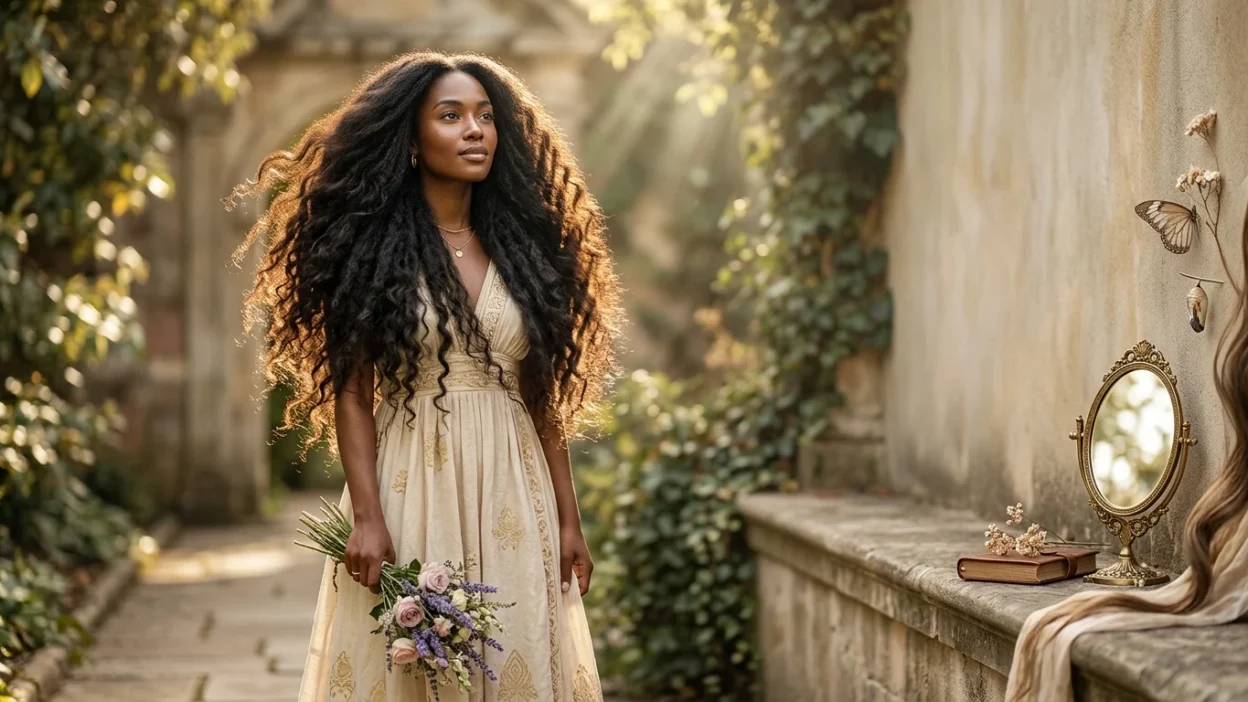
Hair symbolism explores the deeper meanings people have attached to hair across cultures, religions, history, and personal identity. Hair can represent strength, beauty, freedom, wisdom, power, identity, transformation, and self-expression.
From long hair and short hair to cutting, shaving, braiding, or losing hair, different forms and actions can carry symbolic meaning. Understanding hair symbolism can help you interpret stories, dreams, artwork, traditions, and personal experiences with greater cultural awareness and empathy.
1. Hair Symbolism and Personal Identity
Hair is often closely connected to how people see themselves and how they want others to see them. A hairstyle can communicate personality, culture, confidence, or individuality.
Best for: Understanding self-expression and identity.
Alternative: Clothing, jewelry, tattoos, or other forms of personal style.
Examples:
A person may grow their hair long to express individuality.
Someone may choose a bold haircut to mark a new chapter in life.
2. Long Hair Symbolism
Long hair is commonly associated with beauty, patience, vitality, femininity, freedom, and spiritual energy. Its meaning varies significantly between cultures.
Best for: Exploring themes of beauty, patience, and natural growth.
Alternative: Flowing clothing or plants that symbolize growth.
Examples:
A character with long hair may symbolize freedom and independence.
Long hair in a traditional ceremony may represent heritage and continuity.
3. Short Hair Symbolism
Short hair can symbolize change, confidence, independence, practicality, or liberation. Cutting hair short is sometimes portrayed as leaving an old identity behind.
Best for: Stories about transformation and independence.
Alternative: Changing clothing or moving to a new place.
Examples:
A character cuts their hair after beginning a new life.
Someone chooses a short hairstyle as an expression of confidence.
4. Hair Cutting Symbolism
Cutting hair can represent transition, sacrifice, renewal, grief, or freedom. The interpretation depends heavily on context.
Best for: Symbolizing major life changes.
Alternative: Removing an old possession or changing one’s appearance.
Examples:
A person cuts their hair after ending a relationship.
A ceremonial haircut may represent entering a new stage of life.
5. Shaved Head Symbolism
A shaved head can represent rebirth, discipline, humility, mourning, devotion, or resistance. Different religious and cultural traditions give shaving very different meanings.
Best for: Themes of renewal and transformation.
Alternative: Wearing simple clothing or giving up possessions.
Examples:
A person may shave their head during a religious commitment.
A fictional character may shave their head to symbolize starting over.
6. Hair as a Symbol of Strength
Hair has frequently been connected with physical and spiritual strength. This association appears in mythology, folklore, literature, and popular storytelling.
Best for: Representing inner power and resilience.
Alternative: Lions, mountains, or strong trees.
Examples:
A mythological hero’s hair may represent extraordinary strength.
A character’s growing hair can symbolize recovering confidence.
7. Hair and Beauty Symbolism
Hair is widely associated with attractiveness, elegance, vitality, and personal grooming. Beauty standards surrounding hair have changed throughout history.
Best for: Exploring appearance and cultural beauty ideals.
Alternative: Flowers, jewelry, or cosmetics.
Examples:
Luxurious hair may symbolize beauty in a traditional painting.
A carefully styled hairstyle may represent celebration or status.
8. Hair and Freedom Symbolism
Unrestrained or flowing hair can symbolize freedom, independence, spontaneity, and breaking social expectations.
Best for: Representing liberation.
Alternative: Open skies, birds, wings, or unlocked doors.
Examples:
A character releases their tied hair while leaving a restrictive environment.
Flowing hair in artwork can represent freedom from social control.
9. Hair and Spirituality
In many traditions, hair can have spiritual significance. It may be treated as part of the body connected to devotion, discipline, purity, or sacred identity.
Best for: Religious and spiritual themes.
Alternative: Robes, prayer objects, or sacred symbols.
Examples:
A religious devotee may maintain a particular hairstyle as part of tradition.
Long hair may appear in spiritual artwork to emphasize devotion.
10. Hair Symbolism in Religion
Religious traditions have developed different practices involving hair, including covering, growing, cutting, or shaving it. These practices can communicate devotion, humility, identity, or community membership.
Best for: Studying religious symbolism respectfully.
Alternative: Clothing customs and ritual objects.
Examples:
Hair covering can express modesty or religious commitment.
A ritual haircut can symbolize a transition in spiritual life.
11. Hair Symbolism in Ancient Cultures
Ancient societies often used hairstyles to communicate social position, gender roles, age, occupation, or religious identity.
Best for: Historical and cultural analysis.
Alternative: Jewelry, clothing, or body decoration.
Examples:
Royal hairstyles could distinguish rulers from ordinary people.
Special hairstyles could identify religious or social groups.
12. Hair and Wisdom Symbolism
Gray or white hair is frequently associated with age, wisdom, experience, and maturity.
Best for: Characters representing knowledge and experience.
Alternative: Ancient books, owls, or old trees.
Examples:
A gray-haired elder may serve as a wise adviser.
White hair in mythology may emphasize supernatural knowledge.
13. Gray Hair Symbolism
Gray hair often symbolizes aging, experience, acceptance, and the passage of time. However, it can also represent elegance and confidence.
Best for: Exploring maturity and life experience.
Alternative: Hourglasses, autumn leaves, or old trees.
Examples:
A character embraces gray hair as a sign of confidence.
Gray hair can visually show that a character has survived many experiences.
14. Black Hair Symbolism
Black hair may symbolize mystery, strength, elegance, seriousness, or cultural identity, depending on the context.
Best for: Themes involving mystery or strength.
Alternative: Black clothing, shadows, or dark gemstones.
Examples:
A mysterious character may have black hair to reinforce their visual identity.
Traditional artwork may use dark hair as an expression of beauty.
15. Blonde Hair Symbolism
Blonde hair has often been associated with light, youth, beauty, innocence, or radiance, particularly in Western artistic traditions.
Best for: Exploring visual symbolism involving light and youth.
Alternative: Sunlight, gold, or yellow flowers.
Examples:
Golden hair may reinforce a character’s connection with sunlight.
Blonde hair in artwork can create an impression of softness and brightness.
16. Red Hair Symbolism
Red hair can symbolize passion, courage, intensity, individuality, and fiery energy. Its meaning depends on cultural context.
Best for: Characters with strong or passionate personalities.
Alternative: Fire, red flowers, or sunsets.
Examples:
A red-haired character may be portrayed as energetic and fearless.
Red hair can visually reinforce themes of passion and rebellion.
17. Hair and Femininity
Hair has traditionally been associated with femininity, beauty, fertility, and social expectations in many cultures, although these associations are not universal.
Best for: Examining historical gender symbolism.
Alternative: Flowers, dresses, or other culturally gendered imagery.
Examples:
Long hair may symbolize conventional femininity in a historical story.
A woman cutting her hair may symbolize rejecting restrictive expectations.
18. Hair and Masculinity
Hair can also represent masculinity, maturity, strength, rebellion, or social status. Facial hair and hairstyles have particularly strong cultural associations.
Best for: Exploring changing ideas about masculine identity.
Alternative: Beards, clothing, physical strength, or weapons in historical art.
Examples:
A beard may symbolize maturity in a traditional portrait.
A distinctive haircut can communicate confidence or rebellion.
19. Braided Hair Symbolism
Braids can symbolize community, heritage, tradition, connection, patience, and identity. Their meanings differ across cultures and specific braiding traditions.
Best for: Exploring cultural heritage and connection.
Alternative: Woven textiles or family heirlooms.
Examples:
A traditional braid may preserve cultural identity.
A mother teaching a child to braid hair can symbolize family connection.
20. Hair as a Symbol of Transformation
Changing hair is one of the most recognizable symbols of personal transformation. A new hairstyle can visually communicate a fresh beginning.
Best for: Stories about growth and reinvention.
Alternative: Butterflies, changing seasons, or new clothing.
Examples:
Someone changes their hairstyle after graduating.
A character cuts their hair after overcoming a difficult period.
21. Hair and Grief Symbolism
Hair can become a symbol of grief through traditions involving cutting, covering, neglecting, or changing one’s appearance after loss.
Best for: Exploring mourning and emotional transition.
Alternative: Black clothing, candles, or memorial flowers.
Examples:
A character cuts their hair after losing someone important.
A mourning tradition may involve changing how hair is worn.
22. Hair and Rebellion
Unusual hairstyles can symbolize rebellion, resistance, individuality, and rejection of social expectations.
Best for: Stories about challenging authority or convention.
Alternative: Tattoos, unconventional clothing, or protest symbols.
Examples:
A dramatic haircut may symbolize rejecting family expectations.
A nontraditional hairstyle can communicate personal independence.
23. Hair and Social Status
Throughout history, hairstyles have sometimes indicated wealth, occupation, rank, age, or membership in a particular social group.
Best for: Historical storytelling and cultural analysis.
Alternative: Jewelry, uniforms, or expensive clothing.
Examples:
An elaborate hairstyle may suggest wealth or high social position.
A simple hairstyle may indicate a character’s occupation or lifestyle.
24. Hair and Cultural Heritage
Hair can be an important part of cultural identity. Traditional hairstyles, textures, ornaments, and grooming practices can connect people with family and heritage.
Best for: Exploring ancestry and cultural continuity.
Alternative: Traditional clothing, music, food, or language.
Examples:
A traditional hairstyle can connect someone with their community.
Passing a hair-braiding tradition from parent to child can preserve heritage.
25. Hair in Dreams
In dream symbolism, hair may represent identity, confidence, vitality, control, change, or personal concerns. Dream interpretation is subjective rather than a fixed science.
Best for: Personal reflection and symbolic dream analysis.
Alternative: Keeping a dream journal and examining the surrounding dream context.
Examples:
Dreaming of cutting hair may reflect feelings about change.
Dreaming of unusually long hair may connect with themes of identity or freedom.
26. Losing Hair Symbolism
Hair loss can symbolize vulnerability, anxiety, aging, change, or loss of control in literature and dreams. It should not automatically be interpreted as a prediction.
Best for: Exploring emotional symbolism.
Alternative: Broken objects, fading flowers, or disappearing light.
Examples:
A story may use hair loss to show a character’s emotional vulnerability.
A dream about losing hair may reflect concerns about appearance or control.
27. Hair as a Symbol of Connection
Hair can symbolize emotional and family connections because grooming and caring for hair are often intimate activities.
Best for: Family, friendship, and relationship themes.
Alternative: Holding hands, shared jewelry, or woven threads.
Examples:
A parent brushing a child’s hair can symbolize care and trust.
Friends braiding one another’s hair can represent closeness.
28. Hair Symbolism in Literature and Art
Writers and artists often use hair to communicate character traits without directly explaining them. Color, length, texture, and style can all contribute to visual storytelling.
Best for: Literary and artistic interpretation.
Alternative: Clothing, facial expressions, or setting.
Examples:
A character’s changing hairstyle can mirror emotional growth.
An artist may use flowing hair to emphasize movement and freedom.
29. Hair as a Symbol of Power and Control
Hair can represent power when characters control its appearance—or lose that control. Cultural rules surrounding hair can also reveal who has authority over personal identity.
Best for: Exploring power, autonomy, and social expectations.
Alternative: Crowns, chains, keys, or uniforms.
Examples:
A character forced to cut their hair may symbolize loss of autonomy.
Choosing one’s own hairstyle can represent personal empowerment.
30. Hair Symbolism in Everyday Life
Hair symbolism does not have to be ancient or religious. People often create their own meanings through hairstyles connected with memories, milestones, relationships, and personal growth.
Best for: Personal reflection and modern symbolism.
Alternative: Jewelry, photographs, clothing, or meaningful objects.
Examples:
Keeping a hairstyle associated with a loved one can preserve an emotional memory.
Changing your hairstyle after a major milestone can mark a fresh beginning.
FAQs:
What does hair symbolize spiritually?
Hair can symbolize strength, devotion, identity, vitality, discipline, or spiritual connection, depending on the specific tradition. There is no single universal spiritual meaning.
What does cutting hair symbolize?
Cutting hair commonly represents change, renewal, freedom, sacrifice, grief, or leaving the past behind. The meaning depends on personal and cultural context.
What does long hair symbolize?
Long hair can symbolize beauty, freedom, patience, vitality, femininity, spirituality, or natural growth. Different cultures may interpret it differently.
What does hair symbolize in dreams?
Hair in dreams can relate to identity, confidence, appearance, control, aging, transformation, or vulnerability. Dream meanings are personal and should be considered alongside the entire dream.
Why is hair important in symbolism?
Hair is highly visible and closely connected with identity, making it a powerful symbolic element. Its meaning can change based on culture, history, religion, personal experience, and context.
Conclusion
Hair symbolism is rich because hair can represent far more than physical appearance. Across different cultures and personal experiences, it may communicate identity, strength, beauty, freedom, wisdom, heritage, transformation, spirituality, grief, or independence.
The most meaningful interpretation always depends on context. When exploring hair symbolism in a dream, artwork, story, tradition, or personal experience, consider the hairstyle, color, action, emotions, and cultural background together. That approach creates a more thoughtful and respectful understanding of what hair may represent.

Julian Carter is a writer, poet, and scholar whose work explores culture, identity, history, and human connection. Through thoughtful storytelling and creative insight, he inspires readers to reflect on relationships, memory, and personal transformation.