Beard symbolism has fascinated people for centuries because facial hair can communicate much more than personal style. Across different cultures and historical periods, a beard has been associated with wisdom, masculinity, maturity, strength, authority, spirituality, and individuality. The meaning can change depending on the person’s culture, age, beard style, and the situation in which it appears.
Today, beard symbolism can still carry personal and cultural meaning. Someone may grow a beard to express confidence, tradition, freedom, identity, or simply a preference for natural appearance. Understanding these meanings can help you interpret beards in dreams, art, religion, literature, fashion, and everyday life without assuming that one meaning applies to everyone.
1. Beard Symbolism and Masculinity
A beard is commonly connected with masculinity because facial hair is a natural physical characteristic associated with male maturity.
Best for: Understanding traditional masculine symbolism.
Alternative: Strength, manhood, confidence, or male identity.
Examples:
A full beard may symbolize traditional masculinity.
A carefully groomed beard may represent modern masculine confidence.
A beard does not automatically define someone’s personality, but symbolically it can represent masculine energy, maturity, and self-expression.
2. Beard Symbolism and Wisdom
In many traditions, an older man’s beard is associated with accumulated knowledge and life experience.
Best for: Representing wisdom and experience.
Alternative: Knowledge, insight, guidance, or learning.
Examples:
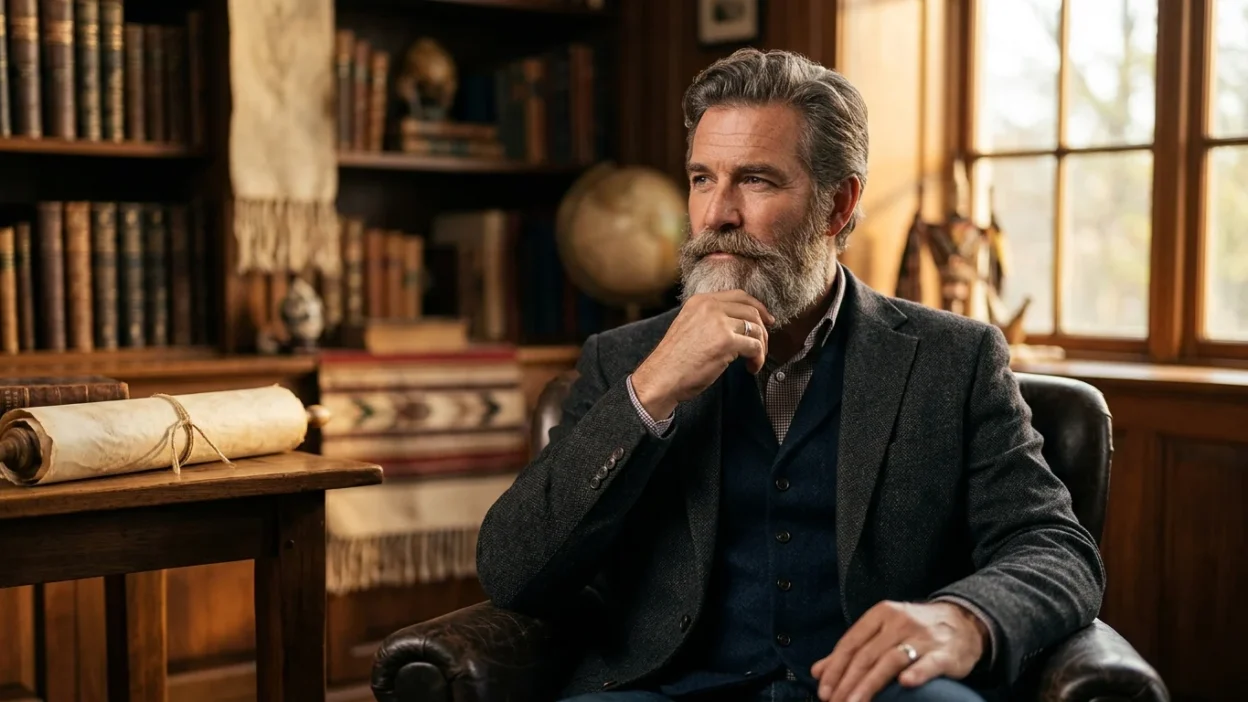
A long gray beard may symbolize a wise elder.
A bearded philosopher in artwork may represent deep knowledge.
This association appears frequently in stories where wise teachers, sages, and mentors are portrayed with prominent facial hair.
3. Beard Symbolism and Maturity
Facial hair naturally develops with age, making a beard an easy symbol of growing into adulthood.
Best for: Showing personal growth.
Alternative: Adulthood, development, responsibility, or maturity.
Examples:
A young man growing his first beard may symbolize entering adulthood.
A mature beard may represent greater responsibility and life experience.
In symbolic language, the beard can therefore represent the transition from youth toward greater independence.
4. Beard Symbolism and Strength
Beards are sometimes connected with physical and emotional strength.
Best for: Symbolizing resilience and power.
Alternative: Courage, endurance, toughness, or determination.
Examples:
A warrior with a thick beard may represent physical strength.
A rugged beard in an adventure story may symbolize endurance.
This meaning is especially common in historical paintings, fantasy stories, and heroic characters.
5. Beard Symbolism and Authority
Throughout history, prominent facial hair has sometimes been used to visually distinguish leaders, elders, and respected figures.
Best for: Leadership and authority.
Alternative: Status, influence, command, or respect.
Examples:
A bearded king may symbolize leadership.
An elder with a long beard may represent authority within a community.
The symbolism often comes from the connection between age, experience, and social respect.
6. Beard Symbolism and Spirituality
A beard can symbolize spiritual devotion in cultures and traditions where religious leaders or devoted practitioners traditionally grow facial hair.
Best for: Exploring religious and spiritual symbolism.
Alternative: Devotion, faith, discipline, or sacred commitment.
Examples:
A spiritual teacher with a beard may represent devotion.
A religious painting featuring a bearded figure may emphasize holiness or wisdom.
However, the spiritual meaning of a beard depends strongly on the specific religion, culture, and historical context.
7. Beard Symbolism in Religion
Beards have appeared in religious art and traditions for centuries, although their meaning differs across faiths and communities.
Best for: Understanding religious imagery.
Alternative: Tradition, devotion, sacred identity, or reverence.
Examples:
A bearded religious figure may communicate wisdom and dignity.
Traditional religious artwork may use facial hair to distinguish an elder or teacher.
It is important to avoid treating all religious traditions as having the same interpretation.
8. Beard Symbolism and Freedom
A beard can represent freedom because growing one is sometimes viewed as rejecting pressure to conform to a particular appearance.
Best for: Personal independence.
Alternative: Individuality, self-expression, or nonconformity.
Examples:
Someone refusing to follow changing grooming trends may view a beard as freedom.
A natural, untrimmed beard can symbolize independence from social expectations.
This interpretation is particularly relevant in modern discussions about personal style.
9. Beard Symbolism and Individuality
A beard can become part of someone’s recognizable appearance and personal identity.
Best for: Self-expression and identity.
Alternative: Personality, uniqueness, or personal style.
Examples:
A distinctive beard can become someone’s signature look.
An unusual beard style may communicate creativity.
In this sense, beard symbolism is not only cultural; it can be deeply personal.
10. Beard Symbolism and Confidence
For some people, growing and maintaining a beard can make them feel more confident.
Best for: Confidence and self-assurance.
Alternative: Pride, presence, or self-esteem.
Examples:
A neatly groomed beard may help someone feel professionally confident.
A bold beard style may express strong personal confidence.
The important point is that confidence comes from the individual rather than the beard itself.
11. Beard Symbolism and Protection
Historically, facial hair has sometimes been interpreted symbolically as a natural covering or protective layer.
Best for: Symbolic protection.
Alternative: Security, defense, shelter, or strength.
Examples:
A thick beard in folklore may symbolize toughness.
A heavily bearded guardian character may represent protection.
In symbolic storytelling, appearance often reinforces a character’s role.
12. Beard Symbolism and Fatherhood
A beard can symbolize fatherhood because traditional images of fathers and older male figures often emphasize maturity and responsibility.
Best for: Fatherly identity and responsibility.
Alternative: Guidance, care, protection, or family leadership.
Examples:
A father with a gray beard may represent experience and guidance.
A bearded grandfather may symbolize family wisdom.
This symbolism is cultural rather than universal, so individual interpretations can vary.
13. Beard Symbolism and Leadership
Leaders in mythology, history, and fiction are sometimes depicted with beards to emphasize authority and experience.
Best for: Leadership symbolism.
Alternative: Command, responsibility, influence, or guidance.
Examples:
A bearded tribal leader may represent experience.
A fictional commander with a strong beard may symbolize authority.
Visual storytelling often uses facial hair as a quick way to communicate character traits.
14. Beard Symbolism and Experience
A beard can represent the passage of time and the lessons gained through life.
Best for: Life experience.
Alternative: Memory, lessons, wisdom, or longevity.
Examples:
A gray beard may represent decades of experience.
A seasoned traveler with a beard may symbolize a life filled with adventure.
This meaning connects naturally with the symbolism of age and maturity.
15. Beard Symbolism and Rebellion
In some historical and cultural contexts, unconventional facial hair has represented resistance to social expectations.
Best for: Rebellion and nonconformity.
Alternative: Defiance, independence, resistance, or unconventional thinking.
Examples:
A deliberately wild beard may represent rejection of conventional grooming.
A rebellious character may use facial hair as part of their alternative identity.
The same beard can therefore mean tradition in one context and rebellion in another.
16. Beard Symbolism and Tradition
Beards can represent cultural heritage and traditional values.
Best for: Cultural identity and heritage.
Alternative: Customs, ancestry, heritage, or continuity.
Examples:
A traditional beard style may connect someone with family customs.
A cultural ceremony may feature participants wearing customary facial hair.
Tradition is one reason beard styles can have meanings that go beyond fashion.
17. Beard Symbolism and Aging
Because facial hair commonly changes from dark to gray or white with age, beards can symbolize the natural aging process.
Best for: Aging and the passage of time.
Alternative: Longevity, seniority, wisdom, or life stages.
Examples:
A white beard may symbolize old age.
A gradually graying beard may represent the passage of time.
In literature, aging facial hair often helps communicate a character’s journey.
18. Beard Symbolism and Wisdom in Literature
Writers frequently use bearded characters to create an immediate impression of wisdom, mystery, or authority.
Best for: Literary character analysis.
Alternative: Sage-like knowledge, mentorship, or mystery.
Examples:
A bearded wizard may represent ancient knowledge.
A bearded scholar may symbolize intellectual depth.
Readers often understand these visual clues without needing lengthy descriptions.
19. Beard Symbolism in Art
Artists have used facial hair to communicate age, personality, social position, and character.
Best for: Interpreting paintings and sculptures.
Alternative: Visual storytelling, portrait symbolism, or character design.
Examples:
A long beard may emphasize an elder’s wisdom.
A sharply groomed beard may communicate status and sophistication.
The artistic meaning depends on the period, culture, and subject.
20. Beard Symbolism in Dreams
Dreams involving beards can have highly personal meanings, so the surrounding details matter.
Best for: Exploring personal dream symbolism.
Alternative: Maturity, identity, confidence, or transformation.
Examples:
Dreaming of growing a beard may symbolize entering a new stage of life.
Dreaming of shaving a beard may represent change or letting go of an identity.
Dream interpretation is subjective and should not be treated as a fixed prediction of the future.
21. Beard Symbolism in Dreams of Shaving
Shaving can symbolically represent removing an old identity, starting fresh, or changing one’s public image.
Best for: Understanding transformation symbolism.
Alternative: Renewal, release, change, or reinvention.
Examples:
Shaving a long beard in a dream may symbolize a fresh beginning.
Losing a beard unexpectedly may reflect concerns about identity or confidence.
The emotional feeling in the dream is often as important as the action itself.
22. Beard Symbolism and Self-Identity
A beard can become closely connected with how a person sees themselves.
Best for: Personal identity and self-image.
Alternative: Authenticity, self-discovery, or personal expression.
Examples:
Growing a beard may feel like discovering a more authentic appearance.
Changing beard styles may reflect a changing sense of self.
This makes beard symbolism particularly relevant to modern ideas about individuality.
23. Beard Symbolism and Masculine Energy
In symbolic and spiritual discussions, beards can represent masculine energy such as decisiveness, protection, confidence, and groundedness.
Best for: Exploring masculine archetypes.
Alternative: Assertiveness, stability, courage, or leadership.
Examples:
A strong full beard may represent grounded masculine energy.
A wise elder with a beard may symbolize balanced masculine strength.
These are symbolic associations rather than rules about how men should behave.
24. Beard Symbolism and Social Status
In certain societies and historical periods, grooming styles have been associated with social position.
Best for: Historical and cultural analysis.
Alternative: Prestige, class, respect, or reputation.
Examples:
A carefully maintained beard may communicate refinement.
A traditional beard may indicate membership in a particular social or cultural group.
Social meanings can change significantly over time.
25. Beard Symbolism and Natural Living
An untrimmed beard can sometimes symbolize a preference for a natural or less manufactured lifestyle.
Best for: Nature-inspired symbolism.
Alternative: Simplicity, authenticity, natural living, or minimalism.
Examples:
A naturally grown beard may represent a simple lifestyle.
A rugged appearance may be used to symbolize closeness to nature.
This interpretation is especially common in modern lifestyle imagery.
26. Beard Symbolism and Ruggedness
The rugged beard is often associated with outdoor life, adventure, and toughness.
Best for: Adventure and resilience.
Alternative: Wilderness, toughness, independence, or endurance.
Examples:
A mountain explorer with a beard may symbolize rugged independence.
A survival character with facial hair may represent resilience.
This is a popular visual theme in advertising, film, and adventure fiction.
27. Beard Symbolism and Mystery
A beard can sometimes add mystery to a character because it changes facial appearance and creates a more distinctive silhouette.
Best for: Mysterious or enigmatic characters.
Alternative: Secrecy, intrigue, depth, or uncertainty.
Examples:
A mysterious traveler with a long beard may appear secretive.
A shadowy bearded character can create an impression of hidden knowledge.
The symbolism comes from the entire visual presentation rather than facial hair alone.
28. Beard Symbolism and Personal Transformation
Growing, trimming, or shaving a beard can represent major changes in a person’s life.
Best for: Transformation and new beginnings.
Alternative: Growth, reinvention, transition, or renewal.
Examples:
Growing a beard after starting a new career may symbolize a new chapter.
Shaving after a major life change may represent leaving the past behind.
Because appearance is visible, changing a beard can become a powerful personal ritual.
29. Beard Symbolism Across Cultures
There is no single universal meaning of a beard. Different cultures may associate facial hair with spirituality, adulthood, wisdom, status, tradition, or personal freedom.
Best for: Cross-cultural interpretation.
Alternative: Cultural symbolism, heritage, tradition, or identity.
Examples:
One culture may connect beards with religious devotion.
Another may primarily associate them with maturity or fashion.
Always consider historical and cultural context before assigning a symbolic meaning.
30. Beard Symbolism in Modern Life
Today, beard symbolism is more flexible than ever. A beard may represent fashion, confidence, heritage, creativity, masculinity, comfort, or simply personal preference.
Best for: Understanding contemporary beard meaning.
Alternative: Style, grooming, identity, or self-expression.
Examples:
A short beard can be part of a polished professional appearance.
A full beard can express a rugged, traditional, or creative style.
Modern beard culture shows that symbolism is personal. The most meaningful interpretation is often the one that reflects the wearer’s own identity.
FAQs:
What does a beard symbolize?
A beard commonly symbolizes masculinity, maturity, wisdom, strength, authority, tradition, confidence, and individuality. Its meaning depends on cultural and personal context.
What does a beard symbolize spiritually?
Spiritually, a beard can represent wisdom, discipline, devotion, maturity, or connection with religious and cultural traditions. The exact meaning varies between traditions.
What does a beard symbolize in dreams?
A beard in a dream may symbolize maturity, identity, confidence, wisdom, or personal transformation. Growing, cutting, or shaving a beard can suggest different meanings depending on the dreamer’s emotions and circumstances.
What does a long beard symbolize?
A long beard is often associated with wisdom, age, experience, spirituality, authority, and traditional knowledge. In fictional settings, it may also represent mystery or magical power.
Does beard symbolism have the same meaning in every culture?
No. Beard symbolism changes across cultures and historical periods. A beard can represent religious devotion in one context, wisdom or social status in another, and fashion or individuality in modern society.
Conclusion
Beard symbolism reaches far beyond facial hair and grooming. Across history, beards have represented wisdom, maturity, masculinity, strength, leadership, spirituality, tradition, freedom, and personal identity. At the same time, modern culture has made beard meaning more individual, allowing people to use facial hair as a form of personal expression.
When interpreting a beard in a dream, artwork, story, religious image, or everyday life, consider the complete context rather than relying on one fixed definition. The person’s age, culture, beard style, emotions, and circumstances can all change its meaning. Ultimately, a beard can be both a cultural symbol and a deeply personal statement.

Julian Carter is a writer, poet, and scholar whose work explores culture, identity, history, and human connection. Through thoughtful storytelling and creative insight, he inspires readers to reflect on relationships, memory, and personal transformation.