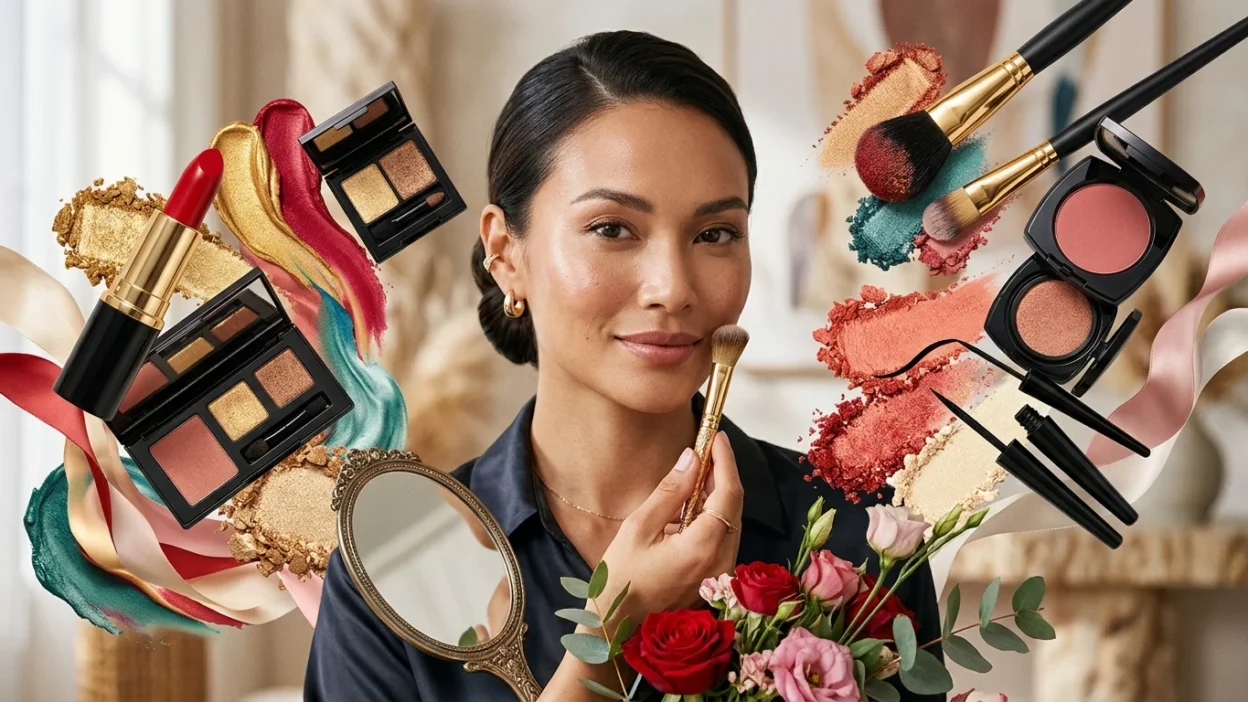
Makeup symbolism is the idea that cosmetics, colors, techniques, and beauty styles can communicate emotions, identity, personality, culture, or personal beliefs. Beyond enhancing appearance, makeup can become a visual language that tells a story without words.
From bold red lipstick and dramatic eye makeup to natural looks and carefully shaped brows, every choice can carry a different meaning. While symbolism varies across cultures and individuals, understanding these associations can make makeup feel more intentional, expressive, and personal.
1. Makeup Symbolism and Self-Expression
Makeup often represents the freedom to show your personality through appearance. It can be playful, elegant, confident, creative, or understated.
Best for: Expressing individuality and personal style.
Alternative: Fashion, hairstyles, jewelry, or clothing.
Examples:
- Wearing colorful eyeshadow to express a creative personality.
- Choosing a minimalist makeup look to reflect a simple aesthetic.
2. Makeup as a Symbol of Confidence
Makeup can symbolize confidence and the feeling of being ready to face the world. For many people, applying makeup is a small ritual that helps them feel polished and prepared.
Best for: Special occasions, presentations, celebrations, and important days.
Alternative: A favorite outfit, hairstyle, or personal routine.
Examples:
- Applying lipstick before an important presentation.
- Creating a polished complexion before attending an event.
3. Red Lipstick Symbolism
Red lipstick is one of the strongest examples of beauty symbolism. It is commonly associated with confidence, passion, glamour, romance, courage, and attention.
Best for: Making a bold and memorable statement.
Alternative: Red nail polish or a red accessory.
Examples:
- Wearing classic red lipstick for an elegant evening look.
- Choosing a deep red shade to communicate sophistication and strength.
4. Natural Makeup Symbolism
Natural makeup often represents authenticity, simplicity, freshness, and comfort. It can emphasize existing features instead of dramatically changing them.
Best for: Everyday beauty and understated elegance.
Alternative: Bare-faced beauty or a lightweight skincare-focused routine.
Examples:
- Using tinted moisturizer and soft blush for a fresh appearance.
- Wearing neutral eyeshadow with a natural lip color.
5. Eye Makeup Symbolism
The eyes are often viewed as expressive features, so eye makeup can symbolize attention, mystery, confidence, or creativity.
Best for: Drawing attention to the eyes and enhancing expression.
Alternative: Eyebrow styling or statement eyewear.
Examples:
- Using smoky eyeshadow to create a mysterious appearance.
- Applying bright eyeliner to communicate creativity.
6. Eyeliner Symbolism
Eyeliner can represent definition, confidence, precision, and individuality. Its shape can dramatically change the emotional impression of a makeup look.
Best for: Creating definition and emphasizing personal style.
Alternative: Eyeshadow or mascara.
Examples:
- A sharp winged liner for a confident appearance.
- Soft brown eyeliner for a gentle, relaxed look.
7. Eyeshadow Color Symbolism
Eyeshadow colors can add another layer of meaning to makeup. Different shades may suggest different moods or visual associations.
Best for: Creative expression and mood-based beauty.
Alternative: Colored eyeliner or mascara.
Examples:
- Purple eyeshadow for a mysterious or imaginative aesthetic.
- Gold eyeshadow for glamour and celebration.
8. Black Makeup Symbolism
Black makeup can symbolize power, mystery, sophistication, rebellion, or dramatic self-expression. Its meaning often depends on the overall style.
Best for: Dramatic, alternative, elegant, or powerful looks.
Alternative: Dark clothing or black accessories.
Examples:
- Black eyeliner paired with neutral makeup for a classic appearance.
- Dark lipstick used for a gothic-inspired style.
9. White Makeup Symbolism
White makeup can represent purity, simplicity, transformation, spirituality, or theatrical expression. In some cultures and artistic traditions, its meaning can be especially significant.
Best for: Artistic, ceremonial, theatrical, or conceptual makeup.
Alternative: Pale or soft neutral shades.
Examples:
- White face makeup in a theatrical performance.
- White eyeliner used to create an ethereal appearance.
10. Gold Makeup Symbolism
Gold is strongly connected with luxury, achievement, celebration, wealth, and radiance. Gold makeup can instantly create a glamorous visual impression.
Best for: Parties, celebrations, weddings, and festive occasions.
Alternative: Bronze or champagne makeup.
Examples:
- Gold eyeshadow for an evening celebration.
- A subtle gold highlighter for a radiant complexion.
11. Silver Makeup Symbolism
Silver makeup can symbolize modernity, elegance, mystery, technology, and futuristic beauty. It creates a cool and reflective visual effect.
Best for: Modern, futuristic, or glamorous looks.
Alternative: Pearl or icy-toned makeup.
Examples:
- Silver eyeshadow for a futuristic party look.
- Metallic silver eyeliner for a creative beauty style.
12. Pink Makeup Symbolism
Pink makeup commonly represents softness, affection, playfulness, romance, and youthfulness. Different shades can create very different impressions.
Best for: Romantic, cheerful, and soft beauty looks.
Alternative: Peach or rose tones.
Examples:
- Soft pink blush for a fresh everyday appearance.
- Bright pink lipstick for a playful statement.
13. Purple Makeup Symbolism
Purple can symbolize imagination, mystery, individuality, luxury, and creativity. It is especially effective when someone wants makeup to feel artistic rather than ordinary.
Best for: Creative and unconventional beauty styles.
Alternative: Plum, violet, or lavender shades.
Examples:
- Lavender eyeshadow for a dreamy appearance.
- Deep plum lipstick for a sophisticated evening look.
14. Blue Makeup Symbolism
Blue makeup can represent calmness, freedom, confidence, imagination, and individuality. It can range from soft and peaceful to dramatic and energetic.
Best for: Creative makeup and statement looks.
Alternative: Teal or turquoise shades.
Examples:
- Soft blue eyeshadow for a cool, peaceful look.
- Bright blue eyeliner for an artistic statement.
15. Green Makeup Symbolism
Green can symbolize nature, growth, renewal, balance, and freshness. Green makeup can also communicate a bold and adventurous personality.
Best for: Nature-inspired and creative looks.
Alternative: Olive, sage, or emerald tones.
Examples:
- Sage eyeshadow for a subtle nature-inspired look.
- Emerald eyeliner for a dramatic appearance.
16. Blush Symbolism
Blush can symbolize warmth, health, youthfulness, affection, and emotional vitality. It gives the face a naturally energized appearance.
Best for: Creating a warm and approachable look.
Alternative: Tinted lip products or subtle bronzer.
Examples:
- Peach blush for a cheerful everyday style.
- Rose blush for a romantic makeup look.
17. Highlighter Symbolism
Highlighter often represents radiance, confidence, celebration, and self-care. It draws attention to areas where light naturally falls on the face.
Best for: Glowing, glamorous, and celebratory looks.
Alternative: Illuminating skincare products.
Examples:
- Subtle cheekbone highlight for everyday makeup.
- Stronger highlighter for a nighttime event.
18. Contouring Symbolism
Contouring can symbolize structure, definition, precision, and transformation. It changes the appearance of facial dimensions through light and shadow.
Best for: Sculpted and defined makeup styles.
Alternative: Bronzing or strategic highlighting.
Examples:
- Light contouring for a polished event look.
- Dramatic contouring for photography or stage makeup.
19. Dramatic Makeup Symbolism
Dramatic makeup can represent boldness, confidence, creativity, theatricality, or a desire to stand out.
Best for: Performances, parties, photography, and statement occasions.
Alternative: Statement clothing or accessories.
Examples:
- Smoky eyes with a bold lip for an evening event.
- Graphic eyeliner for an editorial-inspired appearance.
20. Minimalist Makeup Symbolism
Minimalist makeup often communicates simplicity, restraint, authenticity, and modern elegance. The goal is usually to enhance rather than overwhelm.
Best for: Everyday wear and professional settings.
Alternative: A skincare-first beauty routine.
Examples:
- Concealer, mascara, blush, and lip balm for a simple look.
- Neutral eyeshadow with softly defined brows.
21. Bridal Makeup Symbolism
Bridal makeup can symbolize celebration, confidence, beauty, tradition, and a meaningful life transition. It often combines personal preferences with cultural customs.
Best for: Weddings and formal ceremonies.
Alternative: Traditional or culturally significant beauty practices.
Examples:
- Soft glowing makeup for a classic bridal appearance.
- Bold lipstick paired with traditional wedding attire.
22. Cultural Makeup Symbolism
Makeup can carry deep cultural meanings connected to heritage, ceremonies, identity, and community traditions. Meanings differ greatly between cultures and should be understood respectfully.
Best for: Understanding traditional beauty practices.
Alternative: Studying clothing, jewelry, hairstyles, and ceremonial art.
Examples:
- Traditional face decoration used during a cultural ceremony.
- Henna and coordinated beauty styling for a wedding celebration.
23. Makeup Symbolism in Ancient History
Cosmetics have been used for thousands of years. Historical makeup practices could communicate social position, beauty ideals, spirituality, protection, or cultural identity.
Best for: Exploring the historical meaning of cosmetics.
Alternative: Studying historical fashion and personal adornment.
Examples:
- Ancient cosmetic traditions using naturally available pigments.
- Historical eye cosmetics associated with ceremonial or social practices.
24. Makeup Symbolism in Art
Artists often use makeup to communicate character, emotion, transformation, identity, or social commentary. Makeup becomes part of the visual storytelling process.
Best for: Photography, painting, theater, film, and conceptual art.
Alternative: Costume, lighting, or body language.
Examples:
- A character wearing pale makeup to create an otherworldly impression.
- Bold facial colors used in conceptual photography.
25. Makeup Symbolism in Theater
Stage makeup helps audiences understand characters from a distance. It can exaggerate age, personality, emotion, status, or fictional identity.
Best for: Theater, dance, opera, and live performances.
Alternative: Costumes, props, and stage lighting.
Examples:
- Strong contouring to make facial expressions visible from far away.
- Distinctive makeup to separate heroes from villains.
26. Makeup as a Symbol of Transformation
Changing makeup can represent a personal transformation. A new look may mark a new chapter, change in identity, celebration, or renewed confidence.
Best for: Personal milestones and reinvention.
Alternative: A new hairstyle, wardrobe, or personal ritual.
Examples:
- Trying a bold lipstick after starting a new chapter in life.
- Changing from a minimal style to a colorful creative look.
27. Makeup and Identity Symbolism
Makeup can become part of how people present their identity to the world. It may communicate personal taste, creativity, cultural connection, or belonging.
Best for: Personal branding and self-expression.
Alternative: Clothing, accessories, or hairstyle.
Examples:
- Maintaining a signature eyeliner style as part of a personal image.
- Using distinctive colors that consistently reflect someone’s aesthetic.
28. Makeup as Empowerment Symbolism
For some people, makeup represents control over personal appearance and the freedom to choose how they want to be seen. The empowering aspect comes from personal choice rather than a universal beauty standard.
Best for: Confidence and personal expression.
Alternative: Any activity that helps someone feel comfortable and self-assured.
Examples:
- Wearing bold makeup because it feels personally empowering.
- Choosing no makeup because that feels more authentic and comfortable.
29. Makeup Symbolism in Fashion
Fashion and makeup work together to create a complete visual message. Makeup can reinforce an outfit’s mood, era, color palette, or overall aesthetic.
Best for: Fashion styling, photography, events, and personal branding.
Alternative: Coordinating accessories or hairstyles.
Examples:
- Pairing metallic makeup with a futuristic outfit.
- Using soft neutral makeup with an elegant classic dress.
30. Choosing Makeup Based on Personal Meaning
The most meaningful makeup symbolism is often personal. A color or style does not have to follow a traditional interpretation if it means something different to you.
Best for: Creating intentional and authentic beauty choices.
Alternative: Choosing makeup based simply on comfort and preference.
Examples:
- Wearing a favorite lipstick because it reminds you of someone special.
- Choosing a particular eyeshadow color to represent a personal milestone.
FAQs:
What does makeup symbolize?
Makeup can symbolize beauty, confidence, identity, creativity, cultural traditions, transformation, self-expression, or personal empowerment. Its meaning depends on the person, context, and culture.
What does red makeup symbolize?
Red makeup is commonly associated with passion, confidence, romance, courage, power, and glamour. Red lipstick is one of the most recognizable examples of symbolic makeup.
Does makeup have spiritual symbolism?
In some cultures and traditions, cosmetics or facial decoration can have spiritual, ceremonial, protective, or sacred meanings. These interpretations vary considerably across communities.
What does natural makeup symbolize?
Natural makeup often represents simplicity, authenticity, freshness, comfort, and understated beauty. It can also reflect a preference for enhancing rather than dramatically changing one’s features.
Can makeup represent personality?
Yes. Makeup can be a form of visual self-expression. Bold colors may suggest creativity or confidence, while minimalist styles may communicate simplicity or personal preference. However, makeup should not be used to make fixed assumptions about someone’s personality.
Conclusion
Makeup symbolism shows that cosmetics can be much more than products used to change or enhance appearance. Colors, textures, techniques, and beauty styles can communicate confidence, creativity, emotion, culture, identity, celebration, or transformation.
At the same time, symbolism is personal. A red lip may represent confidence to one person and romance to another, while wearing no makeup can be just as meaningful as creating an elaborate look. The most powerful makeup choice is often the one that feels authentic to you.