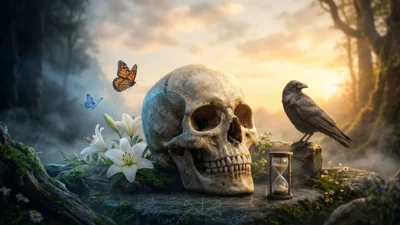
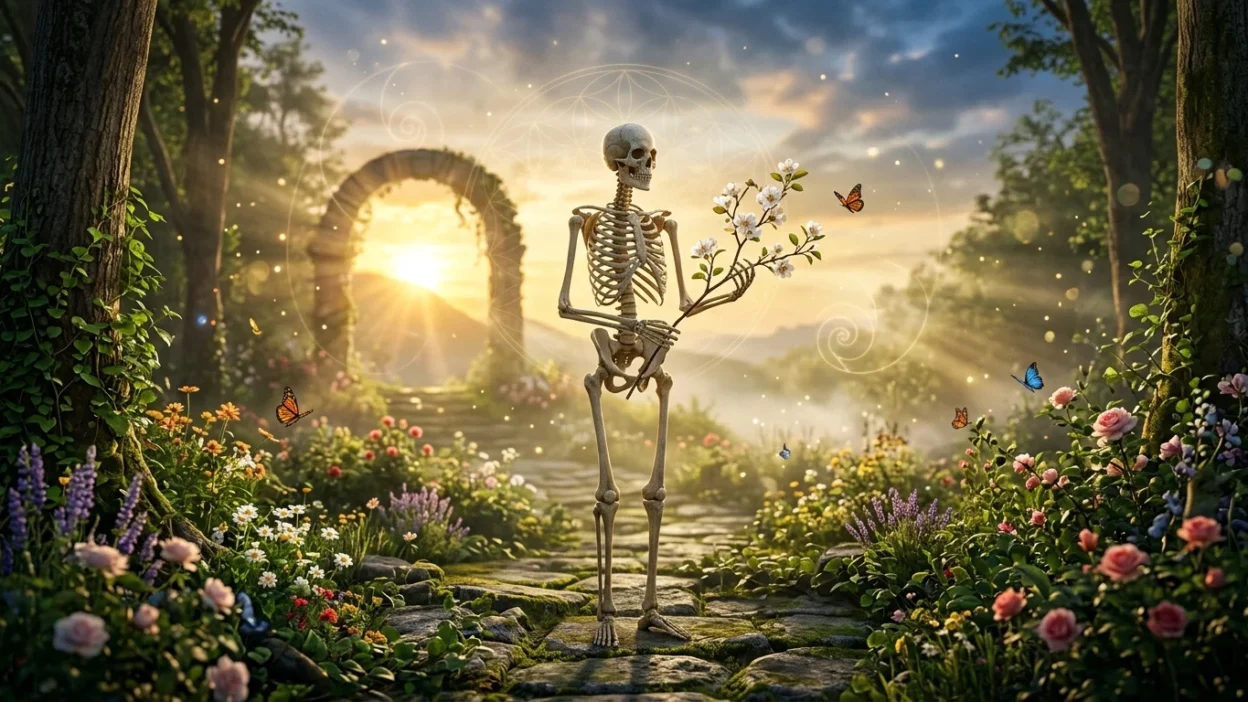
Skeleton symbolism is one of the oldest and most powerful forms of symbolism found across cultures, religions, art, and mythology. While many people associate skeletons with death, their symbolic meaning goes far beyond mortality.
A skeleton can represent transformation, truth, resilience, the cycle of life, and the foundation beneath appearances. If seen in dreams, spiritual practices, or artistic expression, skeleton symbolism reminds us that endings often create space for new beginnings.
Skeleton Symbolism Meaning (Clear Definition)
At its core, skeleton symbolism represents the essential structure of life. Without flesh or decoration, the skeleton symbolizes what remains after everything unnecessary has been stripped away.
It often represents:
- Mortality and the temporary nature of life
- Inner strength and resilience
- Truth beneath appearances
- Transformation and rebirth
- Wisdom gained through experience
- Acceptance of life’s natural cycles
Quick Symbolism Table
| Symbolic Meaning | What It Represents |
|---|---|
| Mortality | Reminder that life is temporary |
| Transformation | Personal growth through change |
| Truth | Seeing beyond outward appearances |
| Strength | The foundation that supports life |
| Renewal | New beginnings after endings |
| Wisdom | Lessons gained through experience |
| Balance | Acceptance of life and death |
What Does Skeleton Symbolism Represent?
Skeleton symbolism has many layers of meaning depending on culture and personal interpretation. Although it is commonly linked with death, it often celebrates life by encouraging people to appreciate every moment.
1. Mortality
The skeleton reminds us that every human shares the same physical foundation. This encourages humility and gratitude rather than fear.
2. Transformation
Just as nature constantly changes, skeletons symbolize leaving behind old habits, identities, or beliefs to embrace personal growth.
3. Inner Truth
Without external appearance, the skeleton represents authenticity. It encourages honesty and focusing on what truly matters.
4. Endurance
Bones last longer than soft tissue, making the skeleton a symbol of lasting strength and resilience during life’s challenges.
5. Equality
Regardless of wealth, status, or appearance, all human skeletons are fundamentally alike. This symbolizes unity and shared humanity.
Spiritual Meaning of Skeleton Symbolism
Spiritually, skeleton symbolism often represents awakening through transformation. Many traditions teach that spiritual growth requires letting go of ego, fear, and attachment before discovering deeper wisdom.
Spiritual meanings include:
- Releasing outdated beliefs
- Personal rebirth
- Spiritual cleansing
- Facing fears courageously
- Discovering one’s authentic self
- Accepting life’s natural rhythms
Rather than signaling an ending, a skeleton often symbolizes the beginning of a more meaningful chapter.
Many spiritual teachers describe skeleton imagery as a reminder that true identity exists beyond physical appearance.
Biblical / Religious Meaning of Skeleton Symbolism
In the Bible, bones frequently symbolize both death and restoration.
One of the best-known examples appears in the Valley of Dry Bones in the Book of Ezekiel. The dry bones come back to life through God’s power, symbolizing hope, renewal, and spiritual restoration.
Biblical symbolism often connects skeletons and bones with:
- Resurrection
- Divine restoration
- God’s ability to create new life
- Faith during hopeless situations
- Spiritual awakening
Rather than focusing only on death, biblical symbolism emphasizes hope after despair and renewal after loss.
In other religious traditions:
- Buddhism reminds followers of life’s impermanence.
- Hindu philosophy sees death as part of an ongoing cycle of rebirth.
- Indigenous traditions often honor ancestors through skeletal symbolism, recognizing continuity between generations.
Skeleton Symbolism in History and Culture
Throughout history, skeleton imagery has carried different meanings across civilizations.
Ancient Civilizations
Ancient cultures often viewed skeletons as reminders of life’s fragility while honoring ancestors and the afterlife.
Medieval Europe
Skeletons appeared in religious artwork to remind people that earthly life is temporary and spiritual preparation matters.
Mexican Culture
Perhaps the most famous cultural example is Día de los Muertos (Day of the Dead), where colorful skeletons celebrate remembrance rather than fear. Decorated skeletons symbolize love, memory, and the enduring connection between families and ancestors.
Asian Traditions
Some Eastern philosophies use skeleton imagery to encourage detachment from material possessions and acceptance of impermanence.
Today, skeleton symbolism continues to evolve while preserving many of these traditional meanings.
Skeleton Symbolism in Literature and Art
Writers and artists frequently use skeletons as powerful metaphors.
In literature, skeletons may symbolize:
- Hidden truths
- Secrets from the past
- Human vulnerability
- Justice
- Transformation
- Mortality
Artists often portray skeletons to explore questions about identity, time, and existence.
Modern visual art may present skeletons not as frightening figures but as symbols of honesty, equality, and resilience.
Even fashion, tattoos, and graphic design frequently use skeleton imagery to express individuality, courage, and acceptance of life’s temporary nature.
Dream Meaning of Skeleton Symbolism
Dreaming about skeletons can have many interpretations depending on the dream’s details and emotions.
Common meanings include:
Personal Transformation
A skeleton dream may indicate you’re shedding an old version of yourself.
Hidden Truths
The dream could suggest that something important is being revealed beneath the surface.
Fear of Change
Sometimes skeletons reflect anxiety about aging, endings, or uncertainty.
Inner Strength
Seeing strong bones may symbolize resilience during difficult circumstances.
Healing
Skeleton dreams can also indicate emotional recovery and rebuilding after hardship.
Dream interpretation always depends on your personal experiences and feelings during the dream.
Modern Meaning of Skeleton Symbolism
Today, skeleton symbolism extends beyond spiritual traditions.
Modern interpretations include:
- Authentic living
- Mental resilience
- Personal freedom
- Emotional honesty
- Overcoming fear
- Remembering life’s value
Skeleton imagery is common during Halloween, but it also appears in fashion, music, tattoos, digital art, and motivational designs.
Many people wear skeleton-inspired jewelry or tattoos to represent surviving difficult experiences and embracing life’s constant evolution.
Common Symbolic Meanings of Skeletons
Here are some of the most recognized meanings associated with skeleton symbolism:
- Mortality and impermanence
- Personal transformation
- Spiritual awakening
- Inner truth
- Courage during adversity
- Resilience
- Wisdom through experience
- Equality among humanity
- Renewal after endings
- Acceptance of life’s natural cycle
Is Skeleton Symbolism Positive or Negative?
Skeleton symbolism is neither completely positive nor negative.
Instead, it represents life’s natural balance.
Although skeletons remind us of mortality, they also encourage:
- Living with purpose
- Letting go of fear
- Appreciating each moment
- Embracing transformation
- Building inner strength
Many cultures celebrate skeleton imagery as a symbol of hope rather than despair.
FAQs:
What does skeleton symbolism mean?
Skeleton symbolism generally represents mortality, transformation, truth, resilience, and the enduring foundation beneath outward appearances.
Is seeing a skeleton a spiritual sign?
Some spiritual traditions interpret skeleton imagery as a reminder to release fear, embrace change, and focus on inner growth rather than external appearances.
What do skeletons symbolize in dreams?
Skeleton dreams often symbolize personal transformation, hidden truths, healing, or the need to confront fears and embrace change.
Is skeleton symbolism connected to death?
Yes, but not exclusively. It often represents the cycle of endings and beginnings, emphasizing renewal, wisdom, and appreciation for life.
Why are skeletons used in art and culture?
Artists and cultures use skeletons to explore mortality, identity, remembrance, resilience, and the universal experiences shared by all people.
Conclusion
Skeleton symbolism reminds us that beneath every outward appearance lies a shared human foundation. While it naturally represents mortality, it also carries powerful messages of resilience, transformation, honesty, and renewal. Across history, spirituality, dreams, and modern culture, the skeleton serves as a timeless reminder that every ending creates the possibility for meaningful new beginnings.

Sofia Harper is a dedicated writer and language enthusiast who enjoys exploring the meanings behind symbols, signs, and cultural icons. Through engaging and well-researched content, she helps readers uncover fascinating insights and hidden symbolism from around the world.