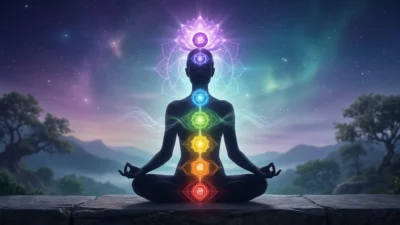
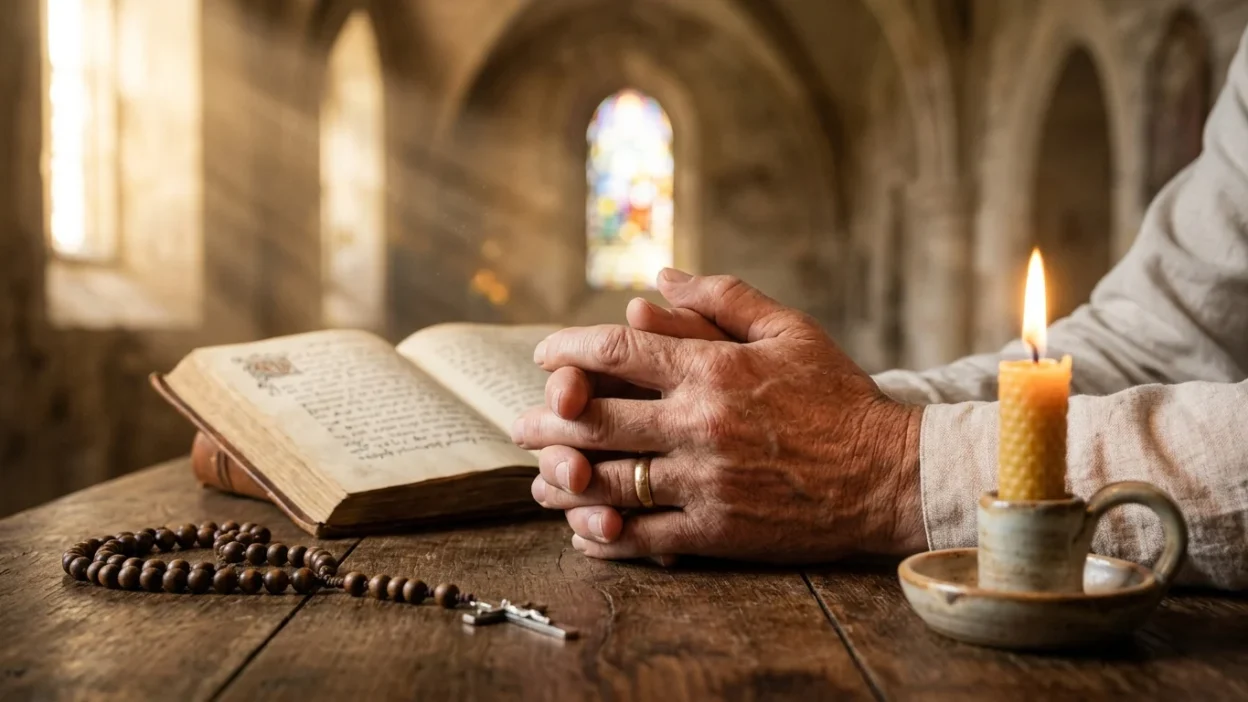
Prayer symbolism represents the deeper meanings connected with prayer, devotion, faith, hope, gratitude, and communication with the divine. It can appear through hands, candles, kneeling, prayer beads, sacred spaces, light, silence, and other spiritual symbols.
Understanding prayer symbolism can help you recognize why certain gestures and objects feel meaningful during worship or personal reflection. If you are exploring religious traditions, spiritual practices, dreams, art, or cultural symbolism, prayer often points toward connection, surrender, guidance, and inner peace.
1. Prayer Symbolism and Communication With the Divine
Prayer is often symbolized as a bridge between people and the divine. It expresses a desire to communicate, listen, seek guidance, or share personal feelings.
Best for: Understanding prayer as spiritual communication.
Alternative: Meditation, contemplation, or quiet reflection.
Examples:
- Someone praying before making an important decision may symbolize a search for divine guidance.
- A person praying in silence may represent an intimate spiritual conversation.
2. Prayer Symbolism of Faith
Prayer commonly represents faith because praying requires trust in something greater than oneself. It can symbolize confidence even when answers are uncertain.
Best for: Representing trust and belief.
Alternative: A cross, sacred text, or religious symbol.
Examples:
- A person praying during a difficult moment can symbolize unwavering faith.
- A prayer journal may represent a continuing relationship with one’s beliefs.
3. Prayer Symbolism of Hope
Prayer frequently symbolizes hope during difficult circumstances. It can express the belief that better possibilities remain even when life feels uncertain.
Best for: Representing optimism and emotional strength.
Alternative: Sunrise, light, or a growing plant.
Examples:
- Someone praying for a better future symbolizes hope.
- A candle lit during prayer can represent hope shining through darkness.
4. Prayer Symbolism of Gratitude
Prayer is not always about asking for something. It can symbolize appreciation for life, family, blessings, opportunities, and spiritual experiences.
Best for: Expressing thankfulness.
Alternative: Giving thanks verbally or through a gratitude journal.
Examples:
- Saying a prayer before a meal can symbolize gratitude for nourishment.
- A person thanking God after receiving good news represents appreciation.
5. Prayer Symbolism of Surrender
Prayer can symbolize surrender when someone accepts that not everything can be controlled. It represents releasing worry and trusting a higher power.
Best for: Letting go of control.
Alternative: Meditation or mindful breathing.
Examples:
- Praying before an uncertain event may symbolize acceptance.
- Asking for strength rather than a specific outcome can represent surrender.
6. Prayer Symbolism of Guidance
Many people use prayer when they need direction. Symbolically, prayer can represent the search for wisdom and clarity.
Best for: Decision-making and spiritual guidance.
Alternative: Reflection, counseling, or meditation.
Examples:
- Praying before choosing a career can symbolize a search for direction.
- Asking for wisdom before making a difficult choice represents spiritual guidance.
7. Prayer Symbolism of Healing
Prayer can represent physical, emotional, or spiritual healing. Across many traditions, people pray when seeking comfort and restoration.
Best for: Symbolizing recovery and comfort.
Alternative: A healing ritual, supportive message, or peaceful meditation.
Examples:
- Praying beside a sick loved one can symbolize compassion and hope.
- A healing prayer may represent emotional strength during grief.
8. Prayer Symbolism of Protection
Prayer is often associated with protection from danger, fear, uncertainty, or spiritual harm. It can create a sense of safety and reassurance.
Best for: Representing security and divine protection.
Alternative: Protective symbols or blessings.
Examples:
- A parent praying for a child’s safety symbolizes protective love.
- A prayer before traveling can represent a desire for safe passage.
9. Prayer Symbolism of Forgiveness
Prayer may symbolize the desire to recognize mistakes, seek forgiveness, and begin again. It can encourage humility and personal growth.
Best for: Representing repentance and renewal.
Alternative: An apology or personal reflection.
Examples:
- A person praying after hurting someone may symbolize sincere regret.
- Asking for forgiveness during prayer can represent a fresh spiritual beginning.
10. Prayer Symbolism of Love
Prayer can be an expression of love for God, family, friends, communities, or humanity. It can symbolize caring without expecting anything in return.
Best for: Representing compassion and devotion.
Alternative: A heart, embrace, or act of kindness.
Examples:
- Praying for a friend demonstrates emotional care.
- Praying for strangers represents compassion beyond personal relationships.
11. Prayer Symbolism of Kneeling
Kneeling during prayer is often associated with humility, reverence, respect, and submission before the divine.
Best for: Symbolizing humility and devotion.
Alternative: Bowing the head or standing respectfully.
Examples:
- Kneeling in a place of worship may represent reverence.
- A person kneeling alone may symbolize deep personal devotion.
12. Prayer Symbolism of Folded Hands
Folded hands are a familiar visual representation of prayer. They can symbolize concentration, devotion, humility, and spiritual focus.
Best for: Religious artwork and visual symbolism.
Alternative: Open hands or clasped hands.
Examples:
- A statue showing folded hands may represent devotion.
- An illustration of folded hands can immediately communicate prayer.
13. Prayer Symbolism of Open Hands
Open hands can symbolize surrender, receiving blessings, generosity, and openness to divine guidance.
Best for: Representing openness and acceptance.
Alternative: Raised arms or an open heart.
Examples:
- Raising open hands during worship may represent receiving spiritual blessings.
- Holding the palms upward during prayer can symbolize surrender.
14. Prayer Symbolism of Silence
Silence during prayer can represent listening, contemplation, peace, and awareness. Sometimes prayer is less about speaking and more about becoming still.
Best for: Symbolizing inner peace.
Alternative: Meditation or contemplative prayer.
Examples:
- Sitting quietly after a prayer may symbolize listening for guidance.
- A silent moment in a sacred place can represent spiritual reflection.
15. Prayer Symbolism of Candles
Candles often symbolize light, hope, remembrance, faith, and the presence of the sacred. Their flame can represent spiritual illumination.
Best for: Religious ceremonies and remembrance.
Alternative: Lanterns or symbolic light.
Examples:
- Lighting a candle for someone can symbolize remembrance.
- A candle during prayer can represent hope in difficult times.
16. Prayer Symbolism of Light
Light is a powerful spiritual symbol connected with truth, guidance, goodness, and divine presence.
Best for: Representing spiritual clarity.
Alternative: Sunrise, stars, or a glowing flame.
Examples:
- Sunlight entering a chapel can symbolize divine guidance.
- A bright light in spiritual artwork may represent enlightenment.
17. Prayer Symbolism of Prayer Beads
Prayer beads can symbolize devotion, repetition, mindfulness, and spiritual discipline. Different religious traditions use beads in different ways.
Best for: Representing structured prayer practices.
Alternative: Prayer ropes or counting practices.
Examples:
- Moving through prayer beads can symbolize focused devotion.
- Holding prayer beads during reflection may encourage mindfulness.
18. Prayer Symbolism of Sacred Spaces
Churches, mosques, temples, shrines, and other sacred spaces can symbolize separation from everyday distractions and movement toward spiritual awareness.
Best for: Understanding religious architecture and worship.
Alternative: A personal prayer corner.
Examples:
- Entering a quiet sanctuary can symbolize leaving ordinary concerns behind.
- A home prayer space may represent a personal connection with faith.
19. Prayer Symbolism of the Heart
The heart commonly represents sincerity, love, devotion, and emotional truth. Prayer from the heart suggests genuine spiritual feeling.
Best for: Representing sincere devotion.
Alternative: A heart-shaped symbol or compassionate gesture.
Examples:
- A heart beside praying hands can symbolize heartfelt faith.
- Praying for another person’s wellbeing can represent love from the heart.
20. Prayer Symbolism of the Cross
In Christianity, the cross is strongly associated with Jesus Christ, sacrifice, redemption, and salvation. When shown alongside prayer, it can emphasize Christian devotion.
Best for: Christian prayer symbolism.
Alternative: Other Christian symbols such as the dove or ichthys.
Examples:
- Praying before a cross can symbolize Christian faith.
- A cross in religious artwork may connect prayer with sacrifice and redemption.
21. Prayer Symbolism of the Dove
The dove is widely associated with peace, purity, hope, and—in Christian symbolism—the Holy Spirit.
Best for: Representing peace and spiritual presence.
Alternative: White birds or peaceful imagery.
Examples:
- A dove above praying hands may symbolize spiritual peace.
- A dove in religious artwork can suggest hope and divine presence.
22. Prayer Symbolism of Water
Water can symbolize cleansing, renewal, life, and spiritual transformation. Its meaning varies across religious and cultural traditions.
Best for: Representing purification and renewal.
Alternative: Rain, rivers, or baptismal imagery.
Examples:
- Water used in a religious ritual can symbolize purification.
- A person praying beside a river may represent renewal and reflection.
23. Prayer Symbolism of Incense
Incense is traditionally connected with worship, reverence, purification, and prayer in several religious traditions. Rising smoke can create a visual image of prayer ascending.
Best for: Religious ceremonies and sacred atmosphere.
Alternative: Fragrant oils or flowers.
Examples:
- Incense during worship can symbolize reverence.
- Smoke rising during prayer may represent spiritual devotion.
24. Prayer Symbolism of Bowing
Bowing can symbolize humility, respect, reverence, and submission. Its meaning depends on the religious and cultural context.
Best for: Representing respect and humility.
Alternative: Kneeling or lowering the head.
Examples:
- Bowing during worship may represent reverence.
- Lowering the head during prayer can symbolize humility.
25. Prayer Symbolism of Raised Arms
Raised arms can symbolize praise, surrender, celebration, openness, or a desire to connect with the divine.
Best for: Representing worship and spiritual openness.
Alternative: Open palms or kneeling.
Examples:
- Worshippers raising their hands may symbolize praise.
- Someone raising their arms during prayer may express deep emotional devotion.
26. Prayer Symbolism in Dreams
When prayer appears in a dream, it can symbolize a need for comfort, guidance, protection, forgiveness, or emotional reassurance. Dream meanings are personal rather than universal.
Best for: Personal reflection and dream interpretation.
Alternative: Journaling about emotions and experiences.
Examples:
- Dreaming of praying during a crisis may reflect a desire for support.
- Dreaming of peaceful prayer may symbolize emotional reassurance.
27. Prayer Symbolism in Art
Artists often use praying figures, sacred objects, light, gestures, and religious settings to communicate devotion and spiritual emotion.
Best for: Understanding religious paintings and visual storytelling.
Alternative: Religious sculpture or photography.
Examples:
- A painting of a kneeling figure may emphasize humility.
- Light surrounding a praying person may symbolize divine presence.
28. Prayer Symbolism in Different Cultures
Prayer does not have one universal form. Gestures, clothing, objects, words, and positions can differ widely between religions and cultures.
Best for: Cross-cultural understanding.
Alternative: Comparative religious studies.
Examples:
- One tradition may emphasize kneeling while another emphasizes standing or bowing.
- Prayer beads may have different meanings and practices across traditions.
29. Prayer Symbolism and Inner Peace
Prayer can symbolize a journey inward, helping people slow down, reflect, and reconnect with what matters most.
Best for: Emotional reflection and spiritual calm.
Alternative: Mindfulness, meditation, or quiet walks.
Examples:
- A morning prayer can create a peaceful start to the day.
- Evening prayer can provide a moment to release daily worries.
30. Prayer Symbolism as a Personal Spiritual Practice
Ultimately, prayer symbolism can be deeply personal. A symbol may carry a traditional meaning while also representing a unique memory, relationship, hope, or experience.
Best for: Personal spiritual expression.
Alternative: Journaling, meditation, or personal rituals.
Examples:
- A person may associate a candle with a loved one’s memory.
- A prayer book may symbolize years of spiritual growth and reflection.
FAQs:
What does prayer symbolize?
Prayer commonly symbolizes faith, communication with the divine, hope, gratitude, humility, surrender, guidance, and spiritual connection. Its exact meaning depends on the person’s religion, culture, and personal beliefs.
What do praying hands symbolize?
Praying hands commonly represent devotion, humility, faith, reverence, and communication with God or the divine. They are also widely used as a visual symbol of prayer and spiritual reflection.
What does a candle symbolize in prayer?
A candle can symbolize hope, light, remembrance, faith, guidance, and spiritual presence. Its meaning may differ depending on the religious tradition and context.
What does prayer symbolize in a dream?
Prayer in a dream may reflect a desire for guidance, protection, comfort, forgiveness, hope, or emotional support. Dream symbolism is subjective, so personal circumstances are important when interpreting it.
Why is prayer important symbolically?
Prayer represents more than spoken words. Symbolically, it can express a person’s relationship with faith, their willingness to seek guidance, their gratitude, and their hope during challenging moments.
Conclusion
Prayer symbolism gives deeper meaning to an experience shared by many religious and spiritual traditions. From folded hands and kneeling to candles, light, beads, silence, and sacred spaces, each symbol can communicate devotion in a powerful way.
The most meaningful interpretation often depends on context, culture, faith, and personal experience. Rather than viewing every symbol as having only one fixed definition, consider what it represents within its specific tradition and what it means to the individual using it. Prayer ultimately reminds us of connection, hope, humility, and the search for peace.