Money symbolism is about the deeper meanings people connect with money, wealth, currency, coins, banknotes, prosperity, and financial success. Although money is mainly used to buy goods and services, it can also represent power, freedom, security, ambition, generosity, greed, opportunity, and social status.
Across history, cultures, religions, literature, dreams, and everyday life, the symbolism of money has carried both positive and negative meanings. Understanding money symbolism can help you explore what wealth represents in different situations and how financial symbols influence human thoughts, emotions, and decisions.
1. Money Symbolism of Wealth
Money is one of the most common symbols of wealth and material abundance. It often represents having enough resources to live comfortably and meet personal goals.
Best for: Understanding prosperity and financial abundance.
Alternative: Wealth symbolism, abundance symbolism.
Examples:
A large bank balance may symbolize financial success and stability.
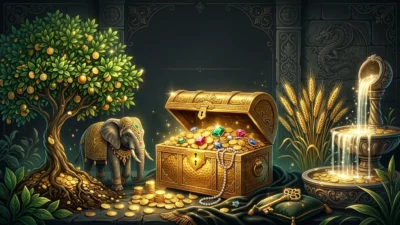
A treasure chest filled with coins may represent abundance and prosperity.
2. Money Symbolism of Financial Security
Money can symbolize safety because it gives people access to food, housing, education, and other necessities.
Best for: Exploring the connection between money and stability.
Alternative: Security symbolism, financial protection.
Examples:
Savings in a bank may symbolize preparedness for the future.
An emergency fund can represent peace of mind and protection.
3. Money Symbolism of Freedom
Financial resources often symbolize independence and the ability to make personal choices.
Best for: Understanding financial independence.
Alternative: Independence symbolism, personal freedom.
Examples:
Having enough savings may allow someone to change careers.
Earning your own income can symbolize independence from others.
4. Money Symbolism of Power
Money can represent influence and the ability to shape decisions, opportunities, and environments.
Best for: Exploring wealth and influence.
Alternative: Power symbolism, authority symbolism.
Examples:
A wealthy business owner may have influence within an industry.
Financial resources can help support large projects and initiatives.
5. Money Symbolism of Success
In many societies, money is commonly used as a visible measure of achievement.
Best for: Understanding cultural ideas about achievement.
Alternative: Achievement symbolism, prosperity symbolism.
Examples:
A successful entrepreneur may associate profits with years of hard work.
Receiving a large salary may symbolize career advancement.
6. Money Symbolism of Opportunity
Money can open doors to education, travel, business, and personal growth.
Best for: Exploring opportunity and possibility.
Alternative: Potential symbolism, access symbolism.
Examples:
Scholarship funding can create educational opportunities.
Investment capital may help a small business grow.
7. Money Symbolism of Hard Work
For many people, earned money represents time, effort, skill, and dedication.
Best for: Connecting income with personal effort.
Alternative: Labor symbolism, achievement symbolism.
Examples:
A first paycheck may symbolize the beginning of independence.
Business profits can represent years of persistence and work.
8. Money Symbolism of Value
Money is often used to assign economic value to goods, services, and labor.
Best for: Understanding the idea of worth.
Alternative: Worth symbolism, economic value.
Examples:
A price tag shows the market value assigned to a product.
A salary may reflect how a job is valued in the marketplace.
9. Money Symbolism of Social Status
Wealth can sometimes become a symbol of social position, prestige, or lifestyle.
Best for: Exploring status and social identity.
Alternative: Prestige symbolism, class symbolism.
Examples:
Luxury possessions may be used to display financial success.
An expensive home can symbolize social status in some communities.
10. Money Symbolism of Ambition
The desire to earn more can represent personal goals, motivation, and ambition.
Best for: Understanding motivation and achievement.
Alternative: Goal symbolism, aspiration symbolism.
Examples:
Starting a company may symbolize the ambition to build wealth.
Saving for a dream home can represent long-term determination.
11. Money Symbolism of Responsibility
Money management often symbolizes maturity and responsible decision-making.
Best for: Learning about financial discipline.
Alternative: Responsibility symbolism, discipline symbolism.
Examples:
Creating a monthly budget demonstrates financial responsibility.
Paying bills on time can symbolize reliability and planning.
12. Money Symbolism of Generosity
Money can carry a positive meaning when it is shared to help others.
Best for: Exploring kindness and charitable giving.
Alternative: Generosity symbolism, compassion symbolism.
Examples:
Donating to a charity can symbolize concern for others.
Giving money to support a family member may represent love and care.
13. Money Symbolism of Greed
On the negative side, money can symbolize excessive desire for wealth or possessions.
Best for: Understanding the darker side of wealth.
Alternative: Greed symbolism, materialism symbolism.
Examples:
A fictional character who sacrifices relationships for wealth may symbolize greed.
Hoarding resources while ignoring others can represent selfishness.
14. Money Symbolism of Control
Financial resources can create control over personal choices and future decisions.
Best for: Exploring money and decision-making.
Alternative: Influence symbolism, independence symbolism.
Examples:
A strong savings account may give someone more career choices.
Controlling household finances can influence family decisions.
15. Money Symbolism of Exchange
At its most basic level, money symbolizes exchange between people.
Best for: Understanding the practical meaning of currency.
Alternative: Trade symbolism, transaction symbolism.
Examples:
Buying bread with cash represents an exchange of value.
Paying for a service connects money with labor and skill.
16. Money Symbolism of Trust
Modern currency works because people generally agree to accept it as valuable.
Best for: Exploring the social meaning of money.
Alternative: Confidence symbolism, agreement symbolism.
Examples:
A banknote has value because people trust the system behind it.
Using digital payments depends on trust in financial networks.
17. Money Symbolism of Prosperity
Money is strongly connected with prosperity, growth, and an improved quality of life.
Best for: Positive wealth symbolism.
Alternative: Abundance symbolism, flourishing symbolism.
Examples:
Growing business revenue may symbolize prosperity.
A full harvest combined with successful trade can represent abundance.
18. Money Symbolism of Materialism
Money can symbolize a strong focus on possessions and physical comfort.
Best for: Exploring consumer culture.
Alternative: Consumerism symbolism, possession symbolism.
Examples:
Constantly buying luxury goods may reflect materialistic values.
Judging success only by possessions can symbolize materialism.
19. Money Symbolism of Reward
Receiving money can symbolize recognition for work, achievement, or contribution.
Best for: Understanding rewards and motivation.
Alternative: Compensation symbolism, recognition symbolism.
Examples:
A bonus may symbolize appreciation for strong performance.
Prize money can represent recognition of talent or achievement.
20. Money Symbolism of Sacrifice
Because earning money often requires time and effort, it can also symbolize sacrifice.
Best for: Exploring the emotional value of income.
Alternative: Effort symbolism, dedication symbolism.
Examples:
Working extra hours to support a family may symbolize sacrifice.
Saving instead of spending can represent commitment to a future goal.
21. Money Symbolism of Change
Money can represent transformation because financial circumstances often change people’s choices and lifestyles.
Best for: Understanding financial transformation.
Alternative: Transition symbolism, progress symbolism.
Examples:
Starting a business may change a person’s financial future.
Paying off debt can symbolize a fresh financial beginning.
22. Money Symbolism of Luck
Coins and other forms of money are sometimes connected with good fortune and luck.
Best for: Exploring traditional financial symbols.
Alternative: Fortune symbolism, good luck symbolism.
Examples:
Finding a coin may be viewed as a sign of good luck.
A lucky coin kept in a pocket can symbolize hope for prosperity.
23. Money Symbolism of Abundance
A large amount of money often symbolizes having more than basic needs require.
Best for: Positive financial imagery.
Alternative: Plenty symbolism, prosperity symbolism.
Examples:
A pile of gold coins may symbolize abundance in artwork.
A flourishing business can represent an abundance of opportunity.
24. Money Symbolism in Dreams
Dreams about money can reflect feelings about security, confidence, opportunity, loss, or personal value.
Best for: Exploring dream symbolism.
Alternative: Financial dream meaning, wealth dreams.
Examples:
Finding money in a dream may symbolize discovering a new opportunity.
Losing money may reflect anxiety about security or control.
25. Money Symbolism of Self-Worth
People sometimes connect money with personal value, although financial worth and human worth are not the same.
Best for: Exploring emotional relationships with money.
Alternative: Self-esteem symbolism, personal value.
Examples:
A promotion may make someone feel recognized and valued.
Comparing income with others may affect a person’s sense of achievement.
26. Money Symbolism in Religion and Spirituality
Different spiritual traditions may connect money with generosity, responsibility, attachment, temptation, or stewardship.
Best for: Exploring spiritual perspectives on wealth.
Alternative: Spiritual wealth symbolism, stewardship symbolism.
Examples:
Giving to people in need may symbolize compassion and service.
Using resources wisely can represent responsibility and stewardship.
27. Money Symbolism in Literature and Art
Writers and artists often use money as a symbol to explore power, desire, inequality, ambition, and human behavior.
Best for: Literary and artistic analysis.
Alternative: Wealth symbolism in literature, economic symbolism.
Examples:
A gold-filled room may symbolize obsession with wealth.
A single coin in a story may represent hope during poverty.
28. Money Symbolism of Inequality
Money can symbolize the differences in access, opportunity, and resources between individuals or groups.
Best for: Exploring social and economic themes.
Alternative: Economic inequality symbolism, class symbolism.
Examples:
A story contrasting a mansion with a small home may symbolize inequality.
Unequal access to education can highlight the importance of financial resources.
29. Money Symbolism of Legacy
Wealth can represent what people leave behind for families, communities, or future generations.
Best for: Understanding long-term financial meaning.
Alternative: Inheritance symbolism, legacy symbolism.
Examples:
Creating a family fund may symbolize planning for future generations.
Supporting a community project can create a lasting financial legacy.
30. Money Symbolism of Balance
Perhaps one of the most meaningful lessons of money symbolism is balance. Money can support a good life, but it is only one part of human happiness.
Best for: Developing a healthy relationship with wealth.
Alternative: Financial balance, mindful wealth.
Examples:
Saving for the future while enjoying life today represents balance.
Using money for both personal needs and generosity can reflect healthy priorities.
FAQs:
What does money symbolize?
Money commonly symbolizes wealth, security, freedom, power, opportunity, success, value, and responsibility. Its meaning can change depending on cultural, emotional, spiritual, or personal context.
What does finding money symbolize?
Finding money is often associated with luck, opportunity, unexpected gain, or renewed hope. In everyday life, it may simply be a fortunate event, while symbolic interpretations can vary.
What does money symbolize in dreams?
Money in dreams may relate to self-worth, security, opportunity, confidence, loss, or personal resources. The meaning often depends on whether you find, lose, give, borrow, or receive money.
Is money a symbol of power?
Yes. Money can symbolize power because financial resources may increase a person’s choices, influence, and access to opportunities. However, power can also come from knowledge, relationships, character, and other resources.
What is the spiritual meaning of money?
The spiritual meaning of money often focuses on stewardship, generosity, responsibility, abundance, attachment, and personal values. Interpretations differ across spiritual and religious traditions.
Conclusion
Money symbolism is much deeper than coins, cash, banknotes, or a bank balance. It can represent prosperity and freedom, but also responsibility, sacrifice, generosity, greed, inequality, and personal values. The meaning often depends on the situation, culture, story, dream, or individual experience.
When exploring financial symbolism, look beyond the amount of money itself. Ask what it represents in that specific context: security, opportunity, power, success, fear, hope, or freedom. This simple approach can help you understand the rich and complex meanings behind one of humanity’s most powerful symbols.