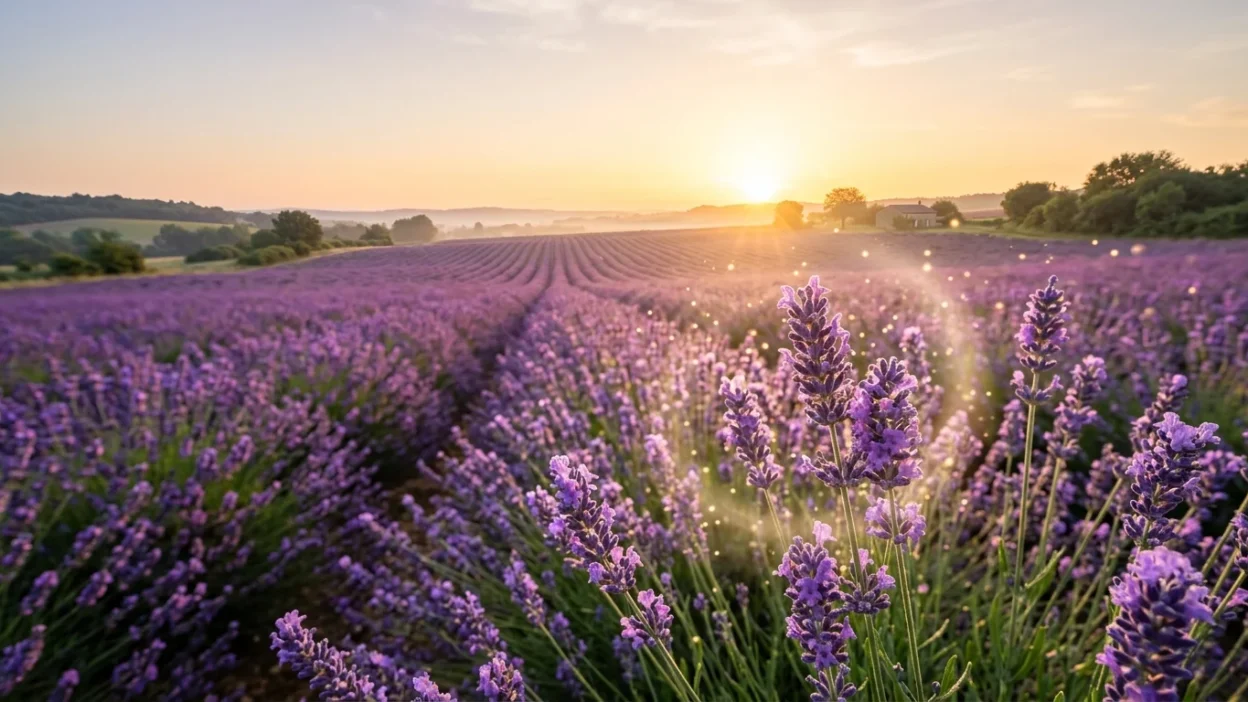
Lavender symbolism beautifully reflects lavender meaning through its soothing fragrance, soft purple colour, rich history, and timeless appeal across many cultures.
Every person may see this beautiful flower differently, which is why people often give different answers about its meaning. Lavender flowers commonly symbolize purity, devotion, calmness, royalty, and for some, homosexuality. These meanings have grown over generations, making symbolism an important part of how this remarkable plant is understood around the world.
When you dive into the specific reason behind these beliefs, the many uses of lavender become easy to appreciate. Its naturally calming scent encourages relaxation, while its beauty has made it an iconic feature in gardens, art, and everyday life.
From my own reading and experience, both fresh flowers and dried lavender continue to inspire peace and appreciation. Whether admired for its cultural tradition, its natural charm, or its recognized place in history, this remarkable flower remains one of nature’s most meaningful symbols.
Lavender Symbolism Meaning (Clear Definition)
Lavender symbolism refers to the deeper meanings associated with the lavender flower. It commonly represents peace, relaxation, healing, purity, loyalty, and spiritual awareness. The flower’s calming scent and elegant appearance have helped establish its reputation as a symbol of emotional comfort and positive energy.
In many traditions, lavender also signifies:
- Inner peace
- Calmness during difficult times
- Spiritual cleansing
- Devotion and faithfulness
- Protection from negative energy
- Grace and elegance
- Hope and renewal
Quick Summary of Lavender Symbolism
| Symbol | Meaning |
|---|---|
| Peace | Emotional calm and serenity |
| Healing | Recovery and emotional wellness |
| Purity | Innocence and sincerity |
| Protection | Warding off negative influences |
| Devotion | Loyalty and lasting love |
| Wisdom | Spiritual growth and understanding |
| Renewal | Fresh beginnings and transformation |
What Does Lavender Symbolism Represent?
Lavender symbolism represents the qualities people often seek in everyday life—balance, comfort, healing, and emotional strength. Its gentle fragrance creates feelings of relaxation, making it a universal reminder to slow down and reconnect with yourself.
Many people associate lavender with:
- Emotional healing
- Mental clarity
- Kindness and compassion
- Faithfulness in relationships
- Positive energy
- Self-care and mindfulness
- Harmony between mind and spirit
Because lavender blooms beautifully despite challenging conditions, it also symbolizes resilience and quiet strength.
Spiritual Meaning of Lavender Symbolism
The spiritual meaning of lavender symbolism centers on cleansing, enlightenment, and inner peace. Many spiritual traditions believe lavender helps clear negative thoughts while encouraging meditation and emotional balance.
Spiritually, lavender may symbolize:
- Higher awareness
- Divine protection
- Purification of the soul
- Healing emotional wounds
- Peaceful transformation
- Connection with positive energy
Lavender is frequently used during meditation, prayer, and relaxation practices because its calming qualities encourage mindfulness and spiritual reflection.
Biblical / Religious Meaning of Lavender Symbolism
Although lavender is not specifically mentioned by name in the Bible, many scholars associate it with biblical plants used for fragrance, cleansing, and sacred anointing. Within Christian symbolism, lavender is often connected with purity, devotion, humility, and God’s peace.
Many believers view lavender as representing:
- Spiritual cleanliness
- Holiness
- Faithfulness
- Quiet trust in God
- Comfort during hardship
In broader religious traditions, fragrant flowers like lavender symbolize blessings, gratitude, and spiritual renewal.
Lavender Symbolism in History and Culture
Throughout history, lavender has held an important place in everyday life and ceremonial traditions.
The ancient Romans used lavender in baths for cleansing and relaxation, while the Greeks valued its medicinal qualities. During the Middle Ages, lavender was placed in homes to freshen rooms and was believed to protect families from illness and negative influences.
Across cultures, lavender has symbolized:
- Hospitality
- Healing traditions
- Royal elegance
- Good fortune
- Protection
- Peaceful living
Even today, lavender remains one of the world’s most meaningful flowers in gardens, wellness practices, and celebrations.
Lavender Symbolism in Literature and Art
Writers and artists often use lavender as a symbol of calm beauty, nostalgia, healing, and gentle love. Its soft purple color creates emotional depth while representing elegance and peaceful reflection.
In literature, lavender may symbolize:
- Quiet romance
- Hope after sorrow
- Gentle memories
- Emotional healing
- Grace under pressure
Paintings, poetry, and decorative art frequently feature lavender fields to evoke feelings of serenity and timeless beauty.
Dream Meaning of Lavender Symbolism
Dreaming about lavender usually carries positive interpretations. Since lavender is associated with healing and peace, it often reflects emotional recovery or personal growth.
Common dream meanings include:
- Finding inner peace
- Healing from emotional pain
- New beginnings
- Spiritual guidance
- Relief from stress
- Positive life changes
A blooming lavender field may suggest happiness and abundance, while receiving lavender flowers in a dream can symbolize support, affection, or encouragement.
Modern Meaning of Lavender Symbolism
Today, lavender symbolism continues to evolve while preserving its traditional meanings. People commonly associate lavender with wellness, self-care, mental health, and emotional balance.
Modern interpretations include:
- Mindfulness
- Stress relief
- Self-love
- Healthy living
- Emotional resilience
- Personal growth
- Positive lifestyle changes
Lavender products, gardens, and aromatherapy have become symbols of relaxation in today’s busy world, reminding people to prioritize inner peace and well-being.
FAQs:
What is the main meaning of lavender symbolism?
Lavender symbolism primarily represents peace, healing, purity, protection, and emotional balance. It encourages calmness and spiritual renewal.
Is lavender a symbol of love?
Yes. Lavender often symbolizes loyal, gentle, and lasting love rather than intense passion. It also represents trust, devotion, and affection.
What does lavender symbolize spiritually?
Spiritually, lavender symbolizes purification, higher awareness, emotional healing, and divine peace. It is widely associated with meditation and spiritual growth.
What does seeing lavender in a dream mean?
Lavender in dreams usually suggests healing, hope, emotional clarity, and positive transformation. It often reflects a peaceful stage of personal development.
Why is lavender associated with healing?
Lavender has long been valued for its soothing fragrance and traditional wellness uses. These qualities naturally led it to symbolize comfort, restoration, and emotional healing.
Conclusion
Lavender symbolism has remained meaningful across centuries because it reflects qualities people value most—peace, healing, purity, love, and spiritual growth. If admired in nature, used in wellness practices, or interpreted in dreams and art, lavender continues to inspire calm hearts and hopeful minds. Its gentle beauty serves as a lasting reminder that true strength often grows through serenity, balance, and quiet renewal.

Julian Carter is a writer, poet, and scholar whose work explores culture, identity, history, and human connection. Through thoughtful storytelling and creative insight, he inspires readers to reflect on relationships, memory, and personal transformation.