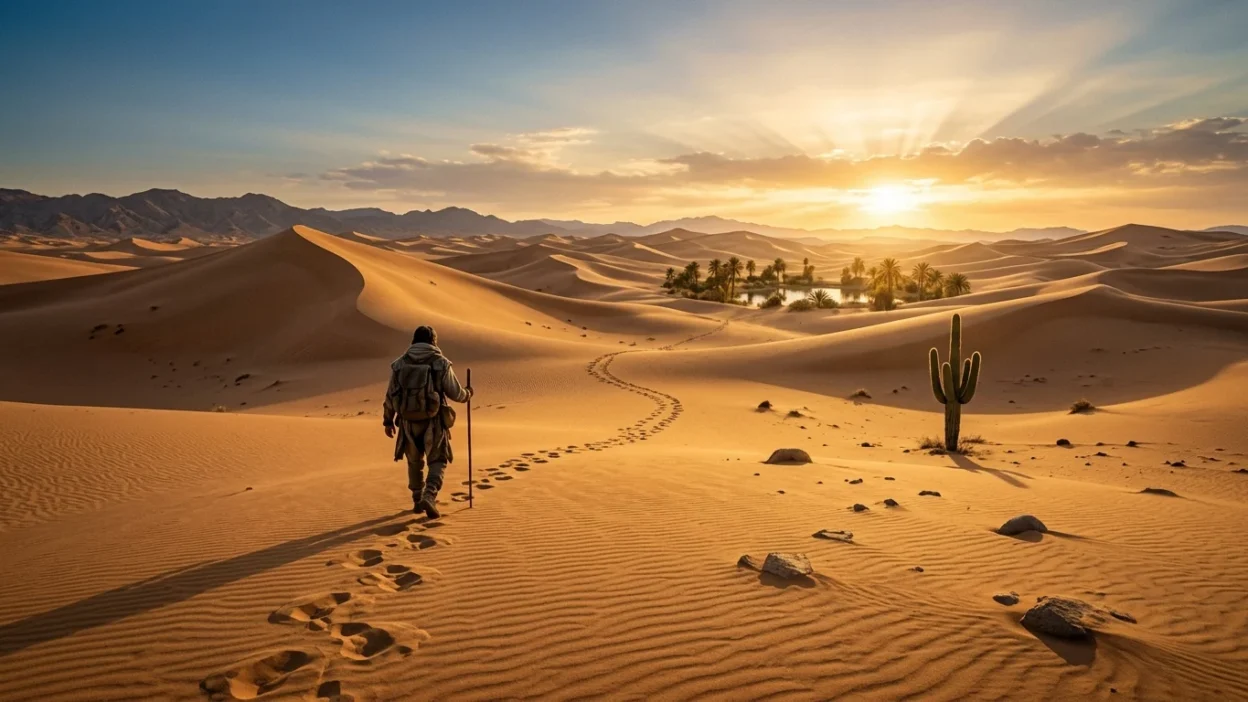
Desert symbolism represents solitude, endurance, transformation, spiritual awakening, and inner strength. Across cultures, religions, myths, and literature, deserts are more than dry landscapes—they are powerful symbols of personal growth, survival, reflection, and renewal. Whether appearing in dreams, stories, or sacred texts, the desert often marks a journey toward wisdom and self-discovery.
People search for desert symbolism to understand dreams, spiritual experiences, literary meanings, or cultural interpretations. This guide explores every major symbolic meaning of the desert using simple language, practical examples, and historical insights while naturally incorporating related terms like wilderness symbolism, barren landscape, resilience, spiritual journey, and transformation.
1. Desert Symbolism Meaning
Best for: Understanding the core meaning of desert symbolism.
Alternative: Wilderness symbolism.
Examples:
- A desert in a dream may represent emotional isolation before personal growth.
- A story set in the desert often symbolizes a challenging life journey.
The desert commonly symbolizes emptiness that leads to new beginnings, encouraging people to discover inner strength.
2. Desert Symbolism Represents Personal Growth
Best for: Self-improvement and life transitions.
Alternative: Journey of transformation.
Examples:
- Leaving comfort behind to start a new career.
- Learning resilience after overcoming setbacks.
Difficult experiences often become the foundation for lasting personal growth.
3. Spiritual Meaning of Desert Symbolism
Best for: Spiritual reflection.
Alternative: Sacred wilderness.
Examples:
- Spending quiet time in meditation.
- Seeking clarity through solitude.
Spiritually, deserts remind us that silence often reveals life’s greatest lessons.
4. Biblical Meaning of Desert Symbolism
Best for: Christian symbolism.
Alternative: Wilderness testing.
Examples:
- Moses leading Israel through the wilderness.
- Jesus fasting in the desert for forty days.
In the Bible, deserts symbolize testing, faith, obedience, and preparation for God’s purpose.
5. Desert Symbolism in Dreams
Best for: Dream interpretation.
Alternative: Dream wilderness.
Examples:
- Walking alone across sand.
- Finding an oasis after hardship.
Dream deserts often reflect emotional challenges followed by hope or healing.
6. Desert Symbolism and Solitude
Best for: Self-reflection.
Alternative: Peaceful isolation.
Examples:
- Enjoying quiet moments away from distractions.
- Spending time alone to make important decisions.
Solitude allows people to reconnect with themselves.
7. Desert as a Symbol of Endurance
Best for: Building resilience.
Alternative: Survival symbolism.
Examples:
- Completing a difficult project.
- Recovering from personal loss.
Like surviving harsh conditions, endurance strengthens character.
8. Desert Symbolism and Patience
Best for: Long-term goals.
Alternative: Waiting season.
Examples:
- Saving money gradually.
- Studying consistently for success.
The desert teaches that meaningful rewards often require patience.
9. Desert Symbolism in Literature
Best for: Literary analysis.
Alternative: Symbolic landscape.
Examples:
- A lonely traveler finding purpose.
- A barren setting reflecting emotional emptiness.
Authors use deserts to represent internal struggles.
10. Desert Symbolism in Mythology
Best for: Ancient beliefs.
Alternative: Mythic wilderness.
Examples:
- Heroes crossing dangerous deserts.
- Sacred lands guarded by mystical beings.
Myths often portray deserts as places of trials and wisdom.
11. Desert Symbolism in Native Traditions
Best for: Cultural understanding.
Alternative: Sacred land symbolism.
Examples:
- Respecting natural balance.
- Learning from the land.
Many Indigenous traditions view deserts as living teachers.
12. Desert Symbolism and Survival
Best for: Motivation.
Alternative: Strength through hardship.
Examples:
- Starting over after failure.
- Remaining hopeful during difficult times.
Survival symbolizes determination and courage.
13. Desert Symbolism and Inner Strength
Best for: Confidence.
Alternative: Personal resilience.
Examples:
- Facing fears alone.
- Trusting your instincts.
Inner strength often develops during life’s hardest moments.
14. Desert Symbolism and Faith
Best for: Religious growth.
Alternative: Trust in God.
Examples:
- Continuing to pray during challenges.
- Remaining hopeful without immediate answers.
Faith grows stronger during uncertain seasons.
15. Desert Symbolism and Healing
Best for: Emotional recovery.
Alternative: Healing journey.
Examples:
- Recovering after heartbreak.
- Finding peace through reflection.
Healing often begins in quiet places.
16. Desert Symbolism and Freedom
Best for: New beginnings.
Alternative: Open possibilities.
Examples:
- Leaving a toxic environment.
- Traveling to discover yourself.
The open desert represents limitless opportunities.
17. Desert Symbolism and Simplicity
Best for: Minimalist living.
Alternative: Simple lifestyle.
Examples:
- Decluttering your home.
- Living with fewer possessions.
The desert reminds us that less can be more.
18. Desert Symbolism and Hope
Best for: Encouragement.
Alternative: Finding an oasis.
Examples:
- Receiving unexpected support.
- Discovering new opportunities.
Even barren places can hold hope.
19. Desert Symbolism and Transformation
Best for: Life changes.
Alternative: Personal evolution.
Examples:
- Changing careers.
- Developing healthier habits.
Transformation often follows difficult experiences.
20. Desert Symbolism and Wisdom
Best for: Learning life lessons.
Alternative: Inner knowledge.
Examples:
- Learning from mistakes.
- Becoming emotionally mature.
Experience creates wisdom.
21. Desert Symbolism in Art
Best for: Artistic interpretation.
Alternative: Landscape symbolism.
Examples:
- Minimalist paintings.
- Symbolic photography.
Artists use deserts to express emotion and solitude.
22. Desert Symbolism in Movies
Best for: Film analysis.
Alternative: Cinematic symbolism.
Examples:
- Characters finding themselves.
- Survival adventures.
Films often use deserts to highlight transformation.
23. Desert Symbolism and Courage
Best for: Facing fears.
Alternative: Brave journey.
Examples:
- Speaking publicly.
- Taking healthy risks.
Courage grows through challenge.
24. Desert Symbolism and Independence
Best for: Personal freedom.
Alternative: Self-reliance.
Examples:
- Living independently.
- Making important decisions confidently.
The desert reflects self-sufficiency.
25. Desert Symbolism and Mystery
Best for: Curiosity.
Alternative: Hidden meanings.
Examples:
- Exploring ancient ruins.
- Discovering forgotten stories.
Mystery invites exploration.
26. Desert Symbolism and Reflection
Best for: Mindfulness.
Alternative: Quiet contemplation.
Examples:
- Journaling daily.
- Meditating outdoors.
Reflection creates clarity.
27. Desert Symbolism and Renewal
Best for: Fresh starts.
Alternative: New chapter.
Examples:
- Beginning a healthier lifestyle.
- Starting a meaningful relationship.
Every ending creates space for renewal.
28. Desert Symbolism and Emotional Strength
Best for: Mental wellness.
Alternative: Emotional resilience.
Examples:
- Managing stress calmly.
- Staying optimistic after setbacks.
Strong emotions become balanced through experience.
29. Desert Symbolism Across Cultures
Best for: Global perspectives.
Alternative: Cultural symbolism.
Examples:
- Middle Eastern traditions.
- African folklore.
Many cultures view deserts as sacred places of endurance and wisdom.
30. Life Lessons from Desert Symbolism
Best for: Everyday inspiration.
Alternative: Lessons from the wilderness.
Examples:
- Trust the process during difficult seasons.
- Appreciate growth that comes slowly.
The desert reminds us that life’s greatest transformations often begin in uncomfortable places.
Conclusion
Desert symbolism is rich with meanings that extend far beyond a dry landscape. It represents resilience, spiritual awakening, patience, courage, renewal, and personal transformation. If encountered in dreams, religion, literature, art, or everyday life, the desert encourages us to embrace challenges as opportunities for growth.
As you explore the symbolism of the desert, remember that every difficult season has the potential to reveal wisdom, strengthen character, and lead you toward a brighter future. Like an oasis hidden beyond the dunes, hope often appears when you keep moving forward.
FAQs:
1. What does desert symbolism mean?
Desert symbolism commonly represents solitude, endurance, spiritual growth, testing, transformation, and inner strength.
2. Is seeing a desert in a dream a good sign?
It can be. A desert dream often reflects personal challenges, emotional healing, self-discovery, or the search for purpose.
3. What is the biblical meaning of the desert?
In the Bible, the desert symbolizes testing, faith, preparation, dependence on God, and spiritual transformation.
4. Why is the desert associated with spirituality?
Its quiet, empty environment encourages reflection, meditation, and a deeper connection with oneself and the divine.
5. What life lessons does desert symbolism teach?
It teaches patience, resilience, hope, self-reliance, wisdom, perseverance, and the importance of trusting life’s journey.