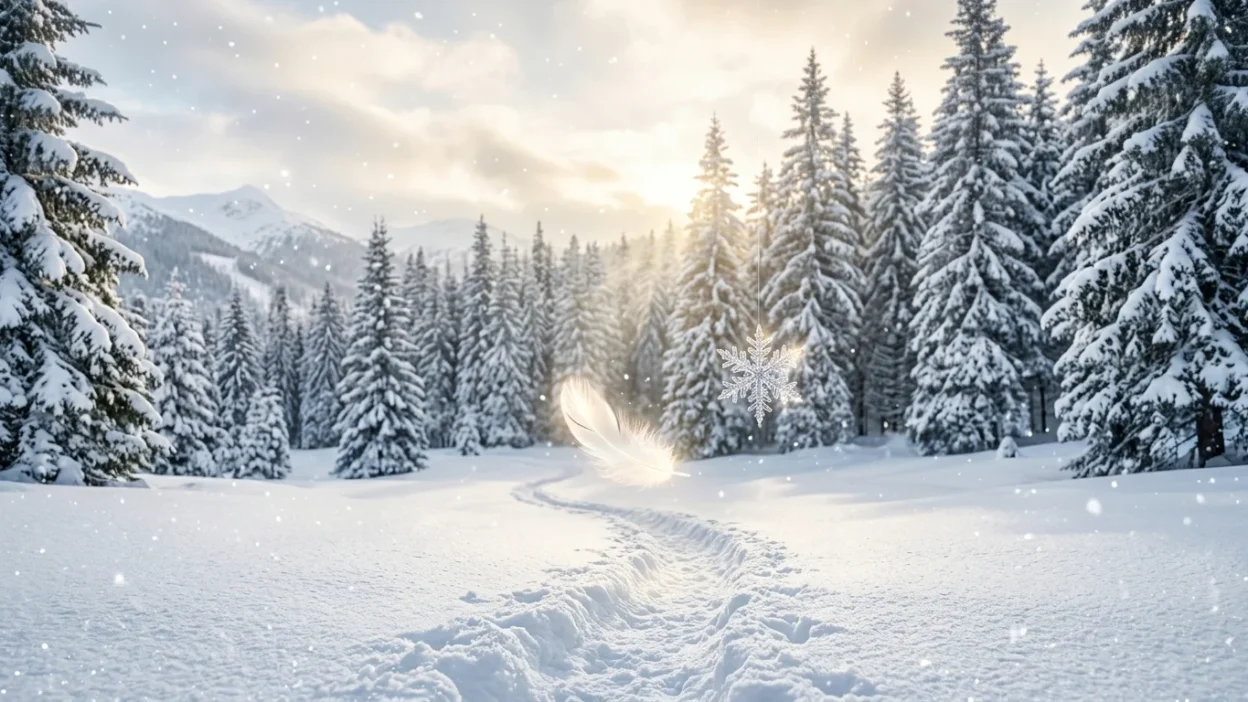
Snow symbolism has fascinated people across cultures for centuries, representing purity, transformation, silence, and fresh beginnings. If appearing in nature, dreams, literature, or religious teachings, snow carries deep emotional and spiritual meanings that go far beyond winter landscapes.
Its bright white appearance often reflects innocence and peace, while its temporary nature reminds us that change is inevitable. Understanding snow symbolism helps reveal how this beautiful natural element inspires hope, reflection, resilience, and renewal in everyday life.
Snow Symbolism Meaning (Clear Definition)
Snow symbolism refers to the symbolic meanings associated with snow in different cultures, beliefs, and personal experiences. Because snow covers the earth in a clean white blanket, it is commonly linked with purity, cleansing, peace, and new beginnings.
At the same time, snow can symbolize isolation, emotional stillness, mystery, and life’s temporary nature. Its meaning often depends on the context in which it appears, making it one of the richest natural symbols found in mythology, spirituality, literature, and dreams.
Common Symbolic Meanings of Snow
| Symbolic Meaning | Interpretation |
|---|---|
| Purity | Cleanliness, innocence, and moral clarity |
| Renewal | Fresh starts and personal transformation |
| Peace | Calmness, silence, and inner balance |
| Reflection | Time for introspection and wisdom |
| Protection | A gentle covering that shelters nature |
| Impermanence | Reminder that every season eventually changes |
| Hope | New opportunities after difficult times |
What Does Snow Symbolism Represent?
Snow symbolism represents both external beauty and inner transformation. Although snow appears cold and quiet, it often signals the beginning of positive change beneath the surface.
Some of the most recognized symbolic meanings include:
- Purity and innocence
- Spiritual cleansing
- Emotional healing
- New beginnings
- Peace and tranquility
- Patience and endurance
- Hidden potential
- Reflection and mindfulness
- Temporary hardships before growth
Snow teaches that even when life appears frozen, important growth may be happening quietly beneath the surface.
Spiritual Meaning of Snow Symbolism
Spiritually, snow symbolizes purification, divine peace, and renewal. Many spiritual traditions see snow as a sign that negative energy is being cleared away, creating room for healing and personal growth.
Its white color represents spiritual light, higher consciousness, and emotional clarity. Just as snowfall covers the earth, spiritual transformation often begins by gently covering old pain before revealing a renewed perspective.
Snow also encourages slowing down. In a fast-moving world, its quiet presence reminds people to embrace stillness, meditate, and reconnect with their inner wisdom.
Many people interpret snow as a spiritual reminder to:
- Let go of emotional burdens.
- Welcome positive change.
- Trust life’s natural timing.
- Find beauty in quiet moments.
- Practice gratitude and mindfulness.
Biblical / Religious Meaning of Snow Symbolism
In the Bible, snow frequently symbolizes purity, forgiveness, righteousness, and God’s cleansing power.
One of the best-known biblical images compares forgiveness to snow, illustrating complete spiritual cleansing. Snow’s brilliant whiteness reflects holiness, innocence, and divine grace.
Religious symbolism of snow often includes:
- Spiritual purification
- God’s mercy
- Moral innocence
- Heavenly peace
- Divine protection
- Renewal through faith
In many Christian traditions, snow serves as a visual reminder that faith brings hope even during life’s coldest seasons.
Outside Christianity, snow also symbolizes balance, harmony, and spiritual awakening in various Eastern philosophies and indigenous traditions, where winter represents preparation before renewal.
Snow Symbolism in History and Culture
Throughout history, snow has inspired traditions, festivals, folklore, and cultural beliefs around the world.
In northern cultures, snow represents endurance, survival, and respect for nature. Communities living in snowy climates learned to view winter as both a challenge and a season of preparation.
In Japanese culture, snow often symbolizes simplicity, elegance, and life’s fleeting beauty, reflecting the appreciation of impermanence.
Many European folk traditions associate the first snowfall with blessings, luck, and fresh beginnings for the coming year.
Across different civilizations, snow has represented:
- Seasonal cycles
- Nature’s balance
- Wisdom through patience
- Quiet strength
- Protection during difficult times
Despite cultural differences, snow consistently symbolizes transformation and hope.
Snow Symbolism in Literature and Art
Writers and artists frequently use snow as a powerful metaphor for emotional depth and personal transformation.
In literature, snow often creates settings that reflect loneliness, peace, innocence, or dramatic change. A snowy landscape can symbolize emotional distance, hidden truth, or the opportunity to begin again.
Painters often portray snow to highlight serenity, silence, and natural beauty. The contrast between bright snow and darker surroundings creates visual symbolism for hope overcoming hardship.
Common literary meanings include:
- Emotional purity
- Isolation
- Reflection
- Transformation
- Forgotten memories
- New chapters in life
- Beauty within silence
Because snow changes familiar landscapes, it often symbolizes how perspective can transform ordinary experiences.
Dream Meaning of Snow Symbolism
Dreaming about snow usually reflects emotional clarity, healing, or significant life transitions.
Positive snow dreams may indicate fresh opportunities, inner peace, or personal growth. Gentle snowfall often symbolizes calm emotions and spiritual renewal.
However, snowstorms or being trapped in snow may represent emotional distance, loneliness, confusion, or feeling overwhelmed.
Common dream interpretations include:
| Dream Scenario | Possible Meaning |
|---|---|
| Falling snow | Peace, healing, renewal |
| Walking through snow | Personal journey and perseverance |
| Melting snow | Emotional release and change |
| Snowstorm | Challenges or emotional confusion |
| White snowy landscape | Purity, hope, and fresh beginnings |
| Playing in snow | Joy, freedom, and childlike happiness |
The emotions experienced during the dream often provide the strongest clues to its symbolic meaning.
Modern Meaning of Snow Symbolism
Today, snow symbolism continues to inspire people in everyday life.
Snow is commonly associated with peaceful holidays, family gatherings, fresh starts, and slowing down from busy routines. It also represents mindfulness and appreciating life’s quiet moments.
Modern interpretations include:
- Mental clarity
- Emotional wellness
- Self-care
- Simplicity
- Environmental appreciation
- Personal transformation
- Resilience through difficult seasons
Many motivational messages use snow as a reminder that every winter eventually leads to spring, encouraging optimism during challenging times.
FAQs:
What does snow symbolize spiritually?
Spiritually, snow symbolizes purification, peace, renewal, divine guidance, and emotional healing. It encourages reflection and fresh beginnings.
Is snow a symbol of new beginnings?
Yes. Because snow covers the old landscape and creates a fresh appearance, it commonly represents renewal, transformation, and new opportunities.
What does white snow symbolize?
White snow symbolizes purity, innocence, honesty, spiritual cleansing, peace, and hope across many cultures and religious traditions.
What does dreaming about snow mean?
Snow dreams often symbolize emotional healing, personal growth, reflection, or major life changes. The dream’s emotions and details influence the exact interpretation.
Why is snow associated with peace?
Snow naturally quiets the environment, creating calm and stillness. This peaceful atmosphere has made it a universal symbol of serenity and inner balance.
Conclusion
Snow symbolism reminds us that beauty often emerges during life’s quietest moments. If representing purity, renewal, peace, or resilience, snow encourages reflection, patience, and hope. Like winter itself, every difficult season eventually gives way to growth, making snow a timeless symbol of transformation and fresh beginnings.