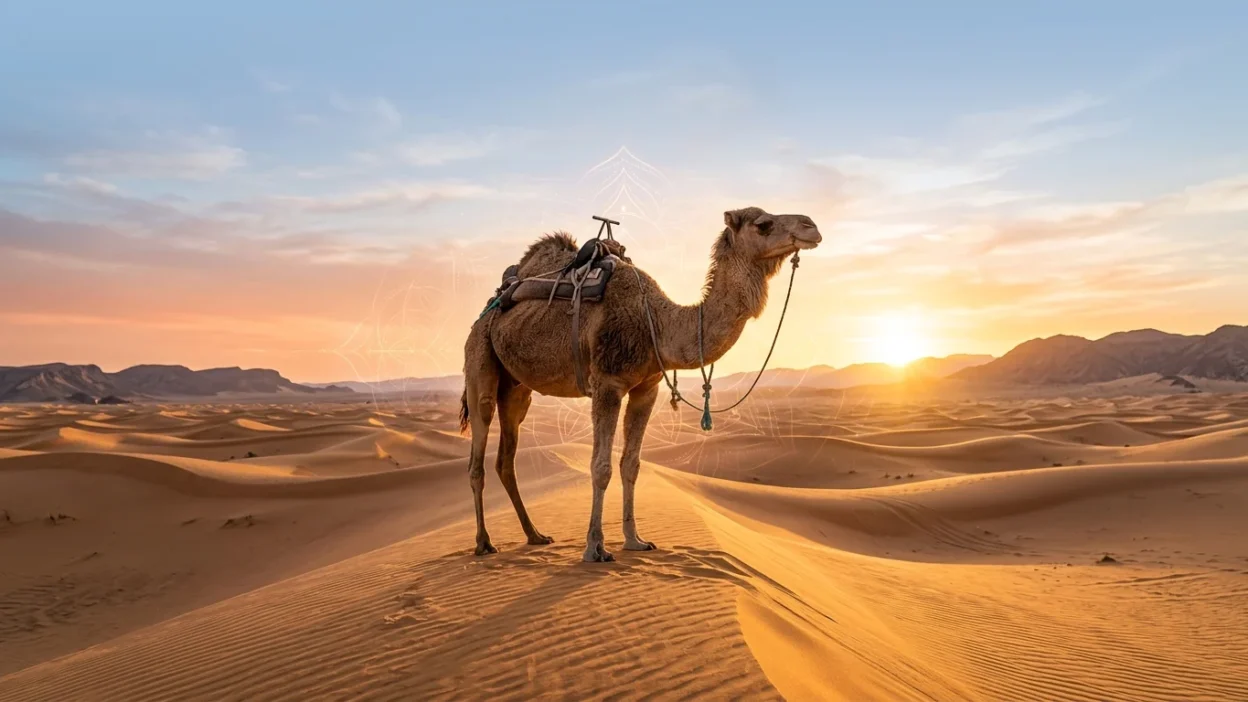
Camel symbolism represents endurance, patience, resilience, strength, survival, and the ability to overcome life’s toughest challenges. Across many cultures and spiritual traditions, the camel is admired for its incredible ability to travel long distances through harsh deserts while carrying heavy burdens. Because of these qualities, the camel has become a powerful symbol of perseverance, wisdom, adaptability, and inner strength.
If you’ve seen a camel in a dream, encountered one repeatedly, or simply want to understand its deeper meaning, camel symbolism offers valuable insights. This guide explores the spiritual, emotional, cultural, and symbolic meanings of camels while helping you discover how their wisdom can inspire your own life’s journey.
1. Camel Symbolism Represents Endurance
Best for: Building mental and emotional strength.
Alternative: Perseverance, stamina, resilience.
Camels are famous for traveling across vast deserts without giving up. Their endurance teaches us to keep moving forward, even when life feels difficult.
Examples:
- A student continues studying despite repeated failures until achieving success.
- A business owner remains determined during financial challenges before reaching stability.
2. Camel Symbolism Encourages Patience
Best for: Waiting for the right opportunity.
Alternative: Calmness, tolerance, persistence.
Camels don’t rush their journey. They move steadily, reminding us that patience often produces better results than acting too quickly.
Examples:
- Waiting for the perfect career opportunity instead of accepting the first offer.
- Practicing patience while learning a challenging new skill.
3. Camel Symbolism Reflects Inner Strength
Best for: Overcoming personal struggles.
Alternative: Courage, confidence, determination.
A camel carries heavy loads while continuing its journey. Symbolically, this reminds us that we are stronger than we often realize.
Examples:
- Recovering emotionally after a difficult breakup.
- Facing life’s responsibilities with courage despite stress.
4. Camel Symbolism Means Survival
Best for: Adapting to difficult situations.
Alternative: Resourcefulness, endurance, toughness.
Camels survive where many animals cannot. Spiritually, they symbolize finding strength even when resources are limited.
Examples:
- Managing finances carefully during hard economic times.
- Staying hopeful through unexpected life changes.
5. Camel Symbolism Represents Adaptability
Best for: Embracing change.
Alternative: Flexibility, adjustment, resilience.
Camels thrive in extreme environments. Their symbolism encourages people to adapt rather than resist change.
Examples:
- Moving to a new city and creating a fresh beginning.
- Adjusting to a new workplace with confidence.
6. Camel Symbolism Teaches Self-Reliance
Best for: Becoming more independent.
Alternative: Independence, responsibility, confidence.
The camel carries everything it needs for long journeys. Likewise, people should develop inner resources instead of depending entirely on others.
Examples:
- Learning new skills to become financially independent.
- Solving personal problems through careful planning.
7. Camel Symbolism Inspires Wise Decisions
Best for: Long-term planning.
Alternative: Wisdom, foresight, careful thinking.
Camels conserve their energy instead of wasting it. This reminds us to use our time, energy, and resources wisely.
Examples:
- Saving money instead of making unnecessary purchases.
- Planning future goals step by step.
8. Camel Symbolism Represents Stability
Best for: Creating balance in life.
Alternative: Security, steadiness, reliability.
Even while walking across uneven desert terrain, camels remain balanced. Symbolically, they encourage emotional and mental stability.
Examples:
- Staying calm during family disagreements.
- Maintaining healthy daily routines despite a busy schedule.
9. Camel Symbolism Encourages Persistence
Best for: Achieving long-term goals.
Alternative: Dedication, determination, consistency.
Success often belongs to those who refuse to quit. Camel symbolism reminds us that consistent effort eventually leads to rewards.
Examples:
- Exercising regularly to improve long-term health.
- Practicing a musical instrument every day.
10. Camel Symbolism Reflects Faith and Trust
Best for: Spiritual growth.
Alternative: Hope, belief, confidence.
Travelers often relied on camels to safely reach distant destinations. Spiritually, the camel symbolizes trusting the journey even when the destination isn’t visible.
Examples:
- Believing better opportunities will come after a difficult season.
- Continuing personal growth even without immediate results.
11. Camel Symbolism Represents Wisdom
Best for: Making thoughtful life decisions.
Alternative: Knowledge, insight, understanding.
Camels have guided travelers across deserts for centuries. Their symbolism reminds us to rely on wisdom, experience, and careful judgment instead of acting impulsively.
Examples:
- Taking time to research before making an important investment.
- Listening to experienced mentors before changing careers.
12. Camel Symbolism Reflects Abundance
Best for: Appreciating life’s blessings.
Alternative: Prosperity, wealth, gratitude.
Historically, owning camels often represented wealth and status. Spiritually, they symbolize recognizing and wisely managing the abundance already present in your life.
Examples:
- Feeling grateful for supportive family and friends.
- Using your talents to create new opportunities.
13. Camel Symbolism Means Protection
Best for: Finding security during uncertain times.
Alternative: Safety, shelter, guidance.
Camels protected travelers by helping them survive long desert journeys. Symbolically, they remind us that preparation and wisdom provide protection.
Examples:
- Creating an emergency savings fund.
- Seeking advice before making major life decisions.
14. Camel Symbolism Represents Sacrifice
Best for: Understanding responsibility.
Alternative: Dedication, service, commitment.
Camels carry heavy loads without complaint. Their symbolism teaches that meaningful success often requires sacrifice and consistent effort.
Examples:
- Working extra hours to achieve financial goals.
- Studying diligently to earn a professional certification.
15. Camel Symbolism Encourages Humility
Best for: Developing a grounded mindset.
Alternative: Modesty, simplicity, gratitude.
Despite their strength, camels serve quietly and faithfully. This symbolism reminds us that true greatness comes with humility rather than pride.
Examples:
- Helping others without expecting recognition.
- Accepting constructive criticism with grace.
16. Camel Symbolism Represents Spiritual Journeys
Best for: Personal growth and self-discovery.
Alternative: Spiritual awakening, enlightenment, inner journey.
Many spiritual traditions connect camels with long journeys of faith and transformation. Seeing a camel may encourage you to trust your spiritual path.
Examples:
- Beginning a daily meditation practice.
- Reading spiritual books to deepen your understanding.
17. Camel Symbolism Reflects Leadership
Best for: Inspiring others.
Alternative: Responsibility, guidance, confidence.
Strong leaders stay calm during difficult situations, much like camels remain steady in harsh environments. Camel symbolism encourages dependable leadership.
Examples:
- Leading a work team through a challenging project.
- Supporting family members during stressful times.
18. Camel Symbolism Teaches Emotional Resilience
Best for: Managing life’s ups and downs.
Alternative: Emotional strength, courage, stability.
Life’s challenges are easier to overcome with emotional resilience. Camel symbolism reminds us to stay composed and hopeful through every season.
Examples:
- Remaining positive after losing a job.
- Recovering from disappointment without giving up.
19. Camel Symbolism Represents Balance
Best for: Living a healthier lifestyle.
Alternative: Harmony, stability, moderation.
Camels carefully conserve energy while completing long journeys. Their symbolism encourages balancing work, rest, relationships, and personal growth.
Examples:
- Setting aside time for family despite a busy career.
- Maintaining a healthy balance between work and relaxation.
20. Camel Symbolism Inspires Personal Transformation
Best for: Embracing positive change.
Alternative: Growth, renewal, self-improvement.
Every journey changes the traveler. Camel symbolism reminds us that challenges shape our character and prepare us for greater opportunities ahead.
Examples:
- Developing confidence after overcoming personal fears.
- Learning valuable life lessons through difficult experiences.
21. Camel Symbolism Represents Hope
Best for: Staying optimistic during difficult times.
Alternative: Optimism, encouragement, faith.
A camel continues its journey even across endless deserts. Spiritually, it reminds us that every hardship has an ending and brighter days lie ahead.
Examples:
- Remaining hopeful while searching for a new job.
- Believing that personal challenges will eventually pass.
22. Camel Symbolism Encourages Determination
Best for: Achieving ambitious goals.
Alternative: Persistence, drive, ambition.
Camels never stop because of temporary discomfort. Their symbolism teaches us to stay committed to our dreams despite obstacles.
Examples:
- Completing a marathon after months of training.
- Finishing a degree while balancing work and family.
23. Camel Symbolism Represents Responsibility
Best for: Becoming dependable.
Alternative: Duty, accountability, trustworthiness.
Camels have long been trusted to carry valuable goods safely. Symbolically, they remind us to honor our commitments.
Examples:
- Meeting work deadlines consistently.
- Keeping promises made to loved ones.
24. Camel Symbolism Reflects Self-Control
Best for: Making thoughtful choices.
Alternative: Discipline, moderation, restraint.
Camels conserve their energy and resources wisely. Their symbolism encourages careful decision-making instead of acting impulsively.
Examples:
- Saving money for future goals.
- Avoiding unnecessary conflicts through patience.
25. Camel Symbolism Represents Gratitude
Best for: Appreciating everyday blessings.
Alternative: Thankfulness, appreciation, contentment.
The camel teaches us to value what we already have instead of constantly chasing more.
Examples:
- Keeping a daily gratitude journal.
- Thanking people who support your journey.
26. Camel Symbolism Encourages Confidence
Best for: Believing in yourself.
Alternative: Self-belief, courage, assurance.
A camel walks confidently through harsh environments. Likewise, we should trust our abilities even when facing uncertainty.
Examples:
- Speaking confidently during a presentation.
- Applying for a dream job despite self-doubt.
27. Camel Symbolism Represents Loyalty
Best for: Building lasting relationships.
Alternative: Faithfulness, devotion, commitment.
For centuries, camels have faithfully served their owners during long journeys. Spiritually, they symbolize dependable relationships.
Examples:
- Supporting friends during difficult times.
- Remaining committed to family responsibilities.
28. Camel Symbolism Reflects Peace
Best for: Finding inner calm.
Alternative: Serenity, tranquility, mindfulness.
Despite living in challenging environments, camels move with remarkable calmness. Their symbolism encourages inner peace regardless of external circumstances.
Examples:
- Practicing meditation every morning.
- Staying calm during stressful conversations.
29. Camel Symbolism Represents Adventure
Best for: Exploring new opportunities.
Alternative: Discovery, exploration, curiosity.
Camels have carried travelers across unexplored landscapes for generations. Symbolically, they inspire us to embrace new experiences with confidence.
Examples:
- Traveling to a country you’ve never visited.
- Starting a new hobby that expands your skills.
30. Camel Symbolism Inspires Life’s Journey
Best for: Personal growth and purpose.
Alternative: Life path, destiny, transformation.
Perhaps the greatest lesson of camel symbolism is that life is a journey, not a race. Every challenge builds wisdom, resilience, and character for the road ahead.
Examples:
- Learning valuable lessons from past failures.
- Celebrating personal growth after overcoming adversity.
Conclusion
Camel symbolism is a timeless reminder of endurance, patience, resilience, wisdom, adaptability, and spiritual growth. From ancient desert caravans to modern spiritual interpretations, the camel continues to inspire people to move forward with courage, even when the road is long and uncertain.
If you encounter a camel in dreams, meditation, artwork, or everyday life, its message is simple yet profound: trust the journey, carry your responsibilities with grace, remain patient during difficult seasons, and believe that perseverance leads to lasting success. By embracing the qualities of the camel, you can navigate life’s challenges with confidence, inner peace, and unwavering determination.
FAQs:
1. What does camel symbolism mean?
Camel symbolism commonly represents endurance, patience, resilience, wisdom, survival, adaptability, and perseverance. It encourages steady progress through life’s challenges.
2. What is the spiritual meaning of a camel?
Spiritually, a camel symbolizes faith, inner strength, spiritual journeys, humility, and trusting divine timing. It reminds people to stay strong during difficult periods.
3. What does seeing a camel in a dream symbolize?
Dreaming about a camel often suggests that you have the strength to overcome obstacles. It may also symbolize patience, responsibility, or a significant journey ahead.
4. Is the camel considered a good luck symbol?
Yes. In many cultures, camels are viewed as symbols of good fortune, prosperity, safe travel, abundance, and successful long-term efforts.
5. Why is the camel important in different cultures?
Camels have been essential for transportation, trade, and survival in desert regions for thousands of years. Because of this, they symbolize strength, reliability, wealth, endurance, and hope across many traditions.

Sofia Harper is a dedicated writer and language enthusiast who enjoys exploring the meanings behind symbols, signs, and cultural icons. Through engaging and well-researched content, she helps readers uncover fascinating insights and hidden symbolism from around the world.